
The latest Department for Work and Pensions news in 2026 highlights major policy updates that directly impact millions of households across the United Kingdom. From increases in the State Pension to welfare reforms and employment support initiatives, the DWP is actively reshaping how financial assistance is delivered. These changes are not just administrative adjustments—they influence real incomes, job opportunities, and long-term financial security for individuals and families.
With rising living costs and continued economic pressure, the government has focused on balancing support with sustainability. Whether you are receiving Universal Credit, planning for retirement, or relying on disability benefits, staying updated with the latest DWP news is essential. This article provides a clear and updated overview of the most important developments, including pension boosts, benefit reforms, and new employment strategies.
State Pension Increase Under Triple Lock Brings Relief to Millions
One of the most significant updates in recent Department for Work and Pensions news is the State Pension increase introduced under the Triple Lock system. In April 2026, over 12 million pensioners received an increase of up to £575 annually, reflecting a 4.8% rise. This mechanism ensures that pensions increase each year based on the highest of inflation, wage growth, or a fixed percentage, providing crucial protection against rising living costs.
This increase plays a vital role in maintaining the purchasing power of pensioners, especially during periods of economic uncertainty. For many retirees who depend heavily on their State Pension, this adjustment offers a necessary financial cushion. However, experts continue to debate whether the Triple Lock remains sustainable in the long term, particularly given the growing number of pensioners and fiscal pressures on the government.
Carers to Receive Debt Relief Following DWP Reassessment
A major development in DWP latest news is the reassessment of Carer’s Allowance overpayments, which has led to debt relief for thousands of unpaid carers. Due to unclear guidance on earnings limits, many carers unknowingly exceeded thresholds and were later asked to repay large sums. In response, the government has launched a reassessment process that could result in debts being reduced, cancelled, or refunded.
This decision is widely seen as a positive step toward correcting past administrative issues and supporting vulnerable individuals. Unpaid carers play a crucial role in society, often sacrificing employment opportunities to care for loved ones. By addressing these financial burdens, the DWP is not only restoring trust but also providing much-needed relief to those who have been unfairly impacted by previous system shortcomings.
Welfare Reform Focuses on Employment and Economic Participation
Another key highlight in Department for Work and Pensions news 2026 is the government’s renewed focus on employment as part of welfare reform. New initiatives aim to support hundreds of thousands of individuals, particularly those with long-term health conditions, in finding suitable work. These voluntary programs are designed to improve job access while reducing long-term reliance on benefits.
The government estimates that these reforms could save approximately £1 billion by encouraging more people into employment. While supporters argue that this approach promotes independence and economic growth, critics express concerns about whether sufficient safeguards are in place for vulnerable individuals. Overall, this shift reflects a broader policy direction that prioritises workforce participation alongside financial support.
Universal Credit Changes and Closure of Legacy Benefits
Recent updates in DWP news today also include the closure of certain legacy benefits as part of the ongoing transition to Universal Credit. This move is a continuation of the “Move to Universal Credit” campaign, which aims to simplify the benefits system and ensure consistency across claimants. Many individuals who previously relied on older benefits have now been migrated to Universal Credit.
While this transition is intended to streamline support, it has raised concerns among some claimants about payment delays and system complexity. The DWP has emphasized the importance of ensuring that affected individuals receive guidance and support during this transition period. For claimants, staying informed and responding to official communications is essential to avoid disruptions in payments.
Keep Britain Working Initiative Expands Across the UK
The Keep Britain Working initiative has gained significant traction in recent Department for Work and Pensions news, with a growing number of employers and regional authorities joining the program. This initiative focuses on improving workplace health and supporting employees with medical conditions to remain in work. It highlights the importance of collaboration between employers and government agencies to address workforce challenges.
By promoting flexible working conditions and health support programs, the initiative aims to reduce economic inactivity and strengthen the labour market. Employers are encouraged to adopt inclusive practices that accommodate individuals facing health challenges. This approach not only benefits employees but also helps businesses retain experienced workers, contributing to overall economic stability.
Support for Health Conditions and Faster Assessments Introduced
The DWP has also introduced new measures to support individuals with musculoskeletal conditions, which are among the leading causes of work-related disability. Faster assessment processes and targeted support programs are being implemented to help individuals return to work or remain employed. This initiative reflects a more proactive approach to managing health-related employment barriers.
These improvements are expected to reduce waiting times and provide timely assistance to those in need. By addressing health issues more efficiently, the DWP aims to improve both individual outcomes and overall productivity. For many claimants, quicker assessments can make a significant difference in accessing the support required to maintain financial stability and independence.
National Living Wage Increase Supports Low-Income Workers
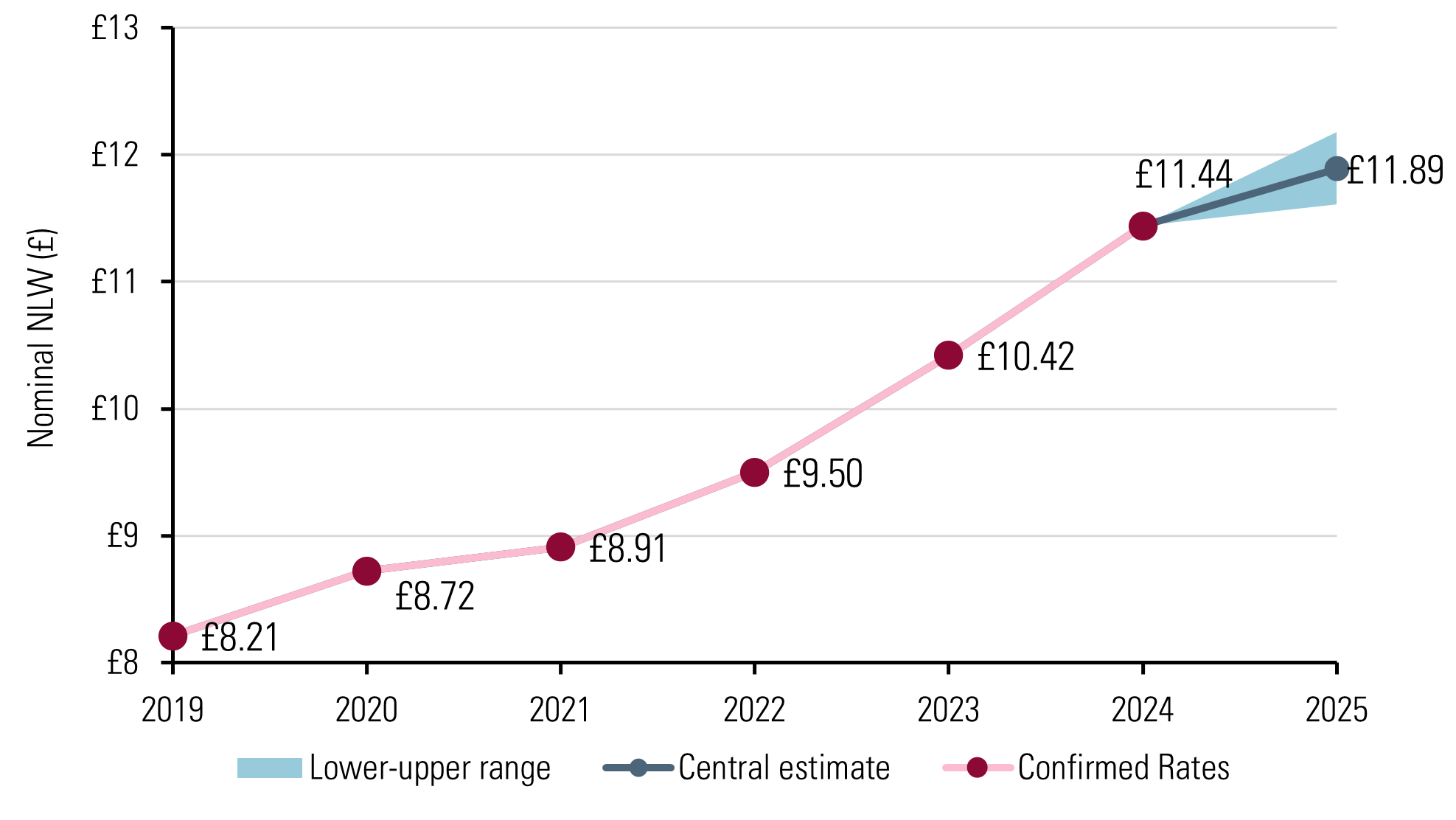
Another important update in Department for Work and Pensions news is the increase in the National Living Wage. From April 2025, workers aged 21 and over are entitled to a minimum of £12.21 per hour, with younger workers also seeing substantial increases. This policy aims to address income inequality and support workers facing rising living costs.
The wage increase is expected to reduce reliance on in-work benefits such as Universal Credit, while boosting disposable income for millions of households. However, some businesses have raised concerns about increased operational costs, particularly in sectors with tight profit margins. Despite these concerns, the policy represents a significant step toward improving living standards for workers across the UK.
Scam Warnings and Public Awareness Campaigns Intensify
As part of its latest updates, the DWP has issued warnings about scams targeting benefit claimants. Fraudulent messages claiming to offer energy support payments or benefit assistance have been reported, with scammers attempting to collect sensitive personal information. The DWP has urged the public to remain vigilant and rely only on official government sources for information.
In addition to scam prevention, the department has launched awareness campaigns encouraging individuals to check their State Pension eligibility and benefit entitlements. These initiatives aim to ensure that people receive the support they are entitled to while avoiding financial risks. Staying informed and cautious is essential in navigating the current welfare landscape safely.
Conclusion: Why Staying Updated with DWP News Matters in 2026
The latest Department for Work and Pensions news reflects a period of significant transformation within the UK welfare system. From pension increases and employment reforms to benefit restructuring and fraud prevention, these updates have wide-reaching implications for individuals and families. Understanding these changes is essential for making informed financial decisions and accessing available support.
As policies continue to evolve, keeping up with the latest developments can help you stay prepared and avoid unexpected challenges. Whether you are a pensioner, a worker, or a benefit claimant, regular updates from trusted sources like GOV.UK can provide valuable guidance. In a rapidly changing economic environment, knowledge remains one of the most powerful tools for financial resilience.
FAQs About Department for Work and Pensions News
What is the latest update from the Department for Work and Pensions in 2026?
The latest updates include a State Pension increase of up to £575, welfare reforms focused on employment, debt relief for unpaid carers, and continued transition to Universal Credit. These changes aim to improve financial support while encouraging economic participation.
Who benefits from the State Pension increase?
Over 12 million pensioners benefit from the increase under the Triple Lock system. The adjustment ensures pensions keep up with inflation and wage growth, helping retirees maintain their standard of living.
What changes are happening to Universal Credit?
Universal Credit is replacing legacy benefits as part of a system-wide reform. Claimants are being migrated gradually, and the DWP is providing support to ensure a smooth transition.
Why is the government focusing on employment in welfare reforms?
The government aims to reduce long-term benefit dependency by supporting individuals into work. These initiatives are designed to improve financial independence while strengthening the economy.
How can I stay updated with DWP news?
You can stay informed by regularly visiting official government websites such as GOV.UK, subscribing to updates, and checking announcements related to benefits, pensions, and employment programs.
You may also read: Phoebe Schecter: First British Woman to Coach in the NFL and Lead Flag Football’s Rise