If a business wants steady, predictable demand without paying for every click, organic visibility is one of the few channels that can keep working month after month. The catch is that it only compounds when it’s handled as a system, not as a one-time checklist, which is why many teams treat an SEO investment as a long-term operating plan instead of a short campaign.
Think of it like building a strong referral network. You don’t get it by posting once, or by “fixing the website” one weekend. This network comes from being findable, useful, and clean enough so that search engines know what you offer and have no doubts about the user experience. This is how an SEO agency earns its keep—not with smoke and mirrors, but by making sure that each and every moving piece is working toward the same objective: qualified traffic and revenue.
The Importance of Using Tools and the Expertise of SEO Agencies
The biggest misunderstanding about SEO for business is thinking it’s mostly “writing blogs” or “adding keywords.” In reality, modern optimisation is a measurement-heavy discipline where the team doing the work has to connect content decisions to outcomes like qualified visits, leads, revenue, and retention. That’s hard to do well when reporting is scattered across spreadsheets, dashboards no one trusts, and half-finished tracking setups.
This is where SEO software for agency setups becomes essential. A good agency environment typically depends on SEO software, SEO tools, and SEO analytics tools that can pull together rankings, crawl data, on-page signals, link profiles, and conversion tracking so the team can explain what moved, why it moved, and what to do next. The difference isn’t just convenience—it’s the ability to run a repeatable process without guessing.
There’s also a practical reality: many agencies manage multiple sites at once, and that changes how they work. When you choose an agency that juggles several properties, you need to ensure they at least come with multi-client SEO software to keep tasks, audits, annotations, and results organised so no one is “optimising blind.” That’s why SEO tools for agencies are often built around workflows like recurring technical crawls, content refresh cycles, and performance checks that happen on a schedule—not only when traffic drops and everyone panics.
Understanding How Agencies Boost Organic Visibility
A sustainable organic search strategy starts with a simple question: “What are people trying to accomplish right before they buy from us?” From there, agencies translate that into keyword research that isn’t just about volume, but about intent, pain level, and what type of page is needed to win the click.
Here’s a concrete example. If someone searches “best payroll software for restaurants,” they’re comparing options and want proof, pricing, and trade-offs. If they search “how to set up payroll for a small restaurant,” they want guidance and a clear path. Those are two different needs, so the pages should be different too, even if they relate to the same service. A strong business SEO strategy maps those needs into a site structure where each page has a job, and no page is forced to do ten jobs poorly.
Then comes the part most in-house teams struggle to keep up with: ongoing optimisation. Search results shift because competitors publish, intent changes, and search engines get better at understanding what “helpful” looks like. Agencies can help because they treat content as a living asset and build refresh systems: updating pricing info, adding missing comparison points, improving internal linking, expanding sections that users keep asking about, and cleaning up pages that no longer fit the brand’s focus.
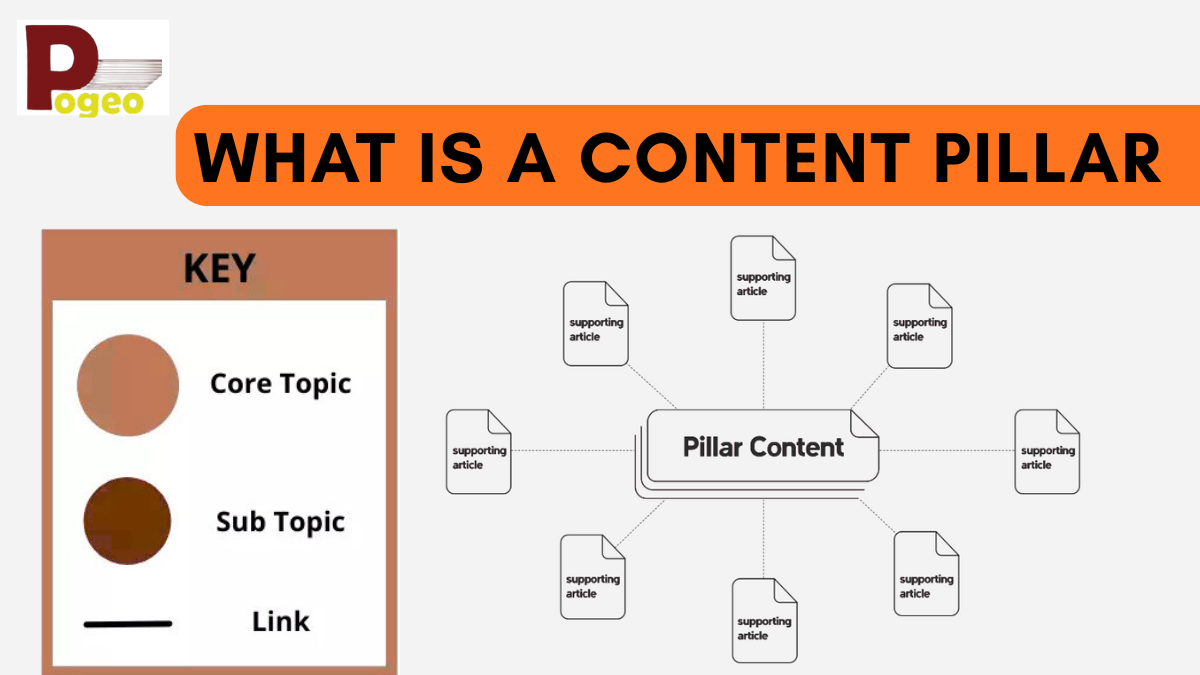
This is also where a winning content strategy becomes real. It’s not “post twice a week.” It’s choosing topics you can credibly own, building a content cluster that supports your main revenue pages, and making sure SEO content writing answers questions in a way that’s easy to trust. In plain terms: if a page could be replaced by a generic summary and no one would notice, it’s probably not pulling its weight and would do nothing when it comes to improving search rankings.
Boosting ROI with Agency-Driven SEO Strategies
Paid ads are effective, but they work only as long as you keep investing in them. Agency-led work can beat that performance, as it keeps improving over time. It may work slowly at first, but it becomes surprisingly steady once the base is built. And that’s when it truly helps boost ROI.
That’s the core return on investment argument for long-term SEO growth. A strong program builds pages that continue to attract qualified visitors without paying for each visit, and it improves the conversion rate over time because the content gets clearer, the site gets faster, and the messaging gets sharper. Instead of renting attention, you’re building assets.
This is also where SEO performance measurement needs to be more mature than “did rankings go up.” Good agencies treat performance as a chain: visibility leads to clicks, clicks lead to engaged sessions, engaged sessions lead to conversions, and conversions lead to revenue. When any link in that chain is weak, they don’t just “do more content.” They diagnose the weak spot.
AI in search makes this even more important because the click patterns can change depending on the query. Google notes that AI Overviews are meant to help users get to the gist quickly and provide links to learn more, and that clicks from results pages with AI Overviews can be higher quality (users are more likely to spend more time on the site). That means the goal shouldn’t be “get any click.” The goal is to earn the click that comes from trust and relevance—and agencies can definitely help with that.
Strengthening Brand Authority with Proper SEO Management
Brand authority isn’t built by saying “trust us.” It’s built when your site repeatedly proves it deserves attention. That comes from consistency in three places: technical reliability, content quality, and reporting that doesn’t hide the truth.
On the technical side, professional management focuses on making the site easy to crawl, understand, and use. When performance dips, teams need to separate “we lost rankings because of a site issue” from “we lost because competitors got better” from “the intent changed.” Google’s documentation emphasises that improving content can lead to rises without waiting for a major update, because Google continually makes updates. That’s another reason ongoing work matters: you’re not waiting around for a once-a-year moment to recover—you’re continuously improving what users experience.
On the content side, trust is not vague anymore. Google’s guidance discusses E-E-A-T (experience, expertise, authoritativeness, and trustworthiness) and explicitly says trust is the most important aspect. For some topics—especially anything that affects health, money, or safety—Google notes it may place more weight on strong E-E-A-T signals. In practice, an agency helps businesses show real proof: author bios that match the topic, clear sourcing, first-hand photos or screenshots, and pages that answer questions fully instead of teasing the answer.
AI has made content production easier, but it has also raised the bar for credibility. Google’s generative AI guidance warns that generating many pages without adding value may violate spam policies related to scaled content abuse, and recommends meeting Search Essentials and spam policies. The same guidance also highlights the importance of accuracy and quality even in metadata like titles, meta descriptions, structured data, and image alt text. So a professional SEO agency can help by building a review and editing system so the site sounds human, stays accurate, and doesn’t drift into “filler” that damages trust.
Running Organic Search Campaigns to Capture Audience
High-intent traffic is the kind that makes sales teams happy—people who are done browsing and ready to choose. The way you attract those visitors is by matching the page to the moment in the buyer’s decision process.
A strategic approach usually starts by separating “learning” keywords from “choosing” keywords. Learning searches need clear explanations, comparisons, and helpful examples. Choosing searches need specifics: pricing models, service areas, timelines, proof, and next steps. That’s how you avoid the common trap where a company ranks for a lot of informational terms but can’t explain why leads aren’t rising.
An experienced SEO agency uses data-driven decisions to keep this tight. It’s not only about traffic volume; it’s about which queries drive the kinds of sessions that convert, and which pages assist conversions even if they aren’t the final click. When the program is running properly, it becomes obvious which content types push people toward contact forms, demo requests, calls, and purchases.
Conclusion
A long-term strategy involving a steady flow of inbound traffic makes the most sense when you approach your site as a body of interlocking parts, including helpful pages, a strong site infrastructure foundation, and iterative improvement informed by user behaviour. The best-performing businesses are almost always the ones that maintain a high level of quality while being guided by data as opposed to mere guesswork. This is how you make growth feel earned.