When a tooth becomes severely damaged or infected, many patients in Singapore face a difficult decision: should they save the tooth through endodontic treatment or remove it entirely with extraction? This question often arises during moments of discomfort or urgency, making it even harder to choose the right option.
Both endodontics and extraction serve important roles in dentistry, but they address different goals. Endodontics focuses on saving the natural tooth, while extraction removes it to eliminate infection or pain. Understanding the benefits, limitations, and long-term implications of each option can help patients make informed decisions that protect their oral health.
This article compares endodontics vs extraction, explains when each treatment is appropriate, and explores which option is generally better for patients in Singapore.
Understanding Endodontics and Tooth Extraction
Before comparing the two treatments, it is important to understand what each involves and how they differ.
What Is Endodontics?
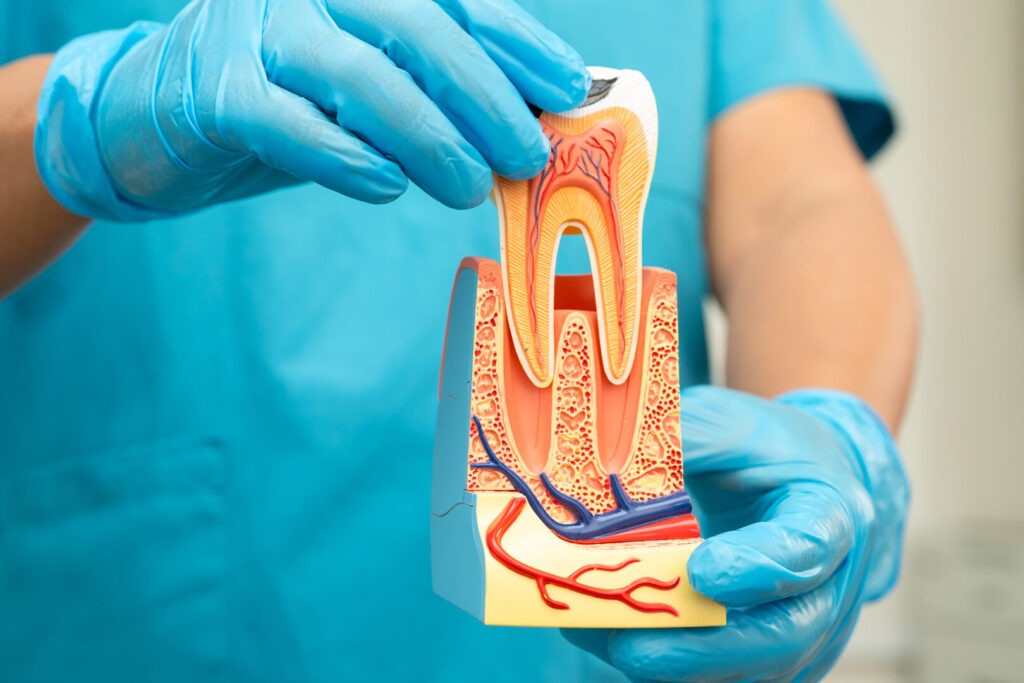
Endodontics is a dental specialty that treats problems inside the tooth, particularly those affecting the pulp and root canal system. The most common endodontic procedure is root canal treatment, which removes infected pulp, disinfects the root canals, and seals the tooth to prevent reinfection.
The primary goal of endodontics is tooth preservation. By saving the natural tooth, patients maintain normal chewing function, bite alignment, and jawbone health.
What Is Tooth Extraction?
Tooth extraction involves removing the entire tooth from its socket. Dentists recommend extraction when a tooth is too damaged to be restored, poses a risk of spreading infection, or interferes with overall oral health.
After extraction, patients may require tooth replacement options such as dental implants, bridges, or dentures to restore function and appearance.
When Dentists Recommend Endodontics
Endodontic treatment is often the preferred option when a tooth can still be structurally preserved.
Dentists usually recommend endodontics in cases of deep decay, infected pulp, cracked teeth, or trauma-related nerve damage. Even when pain is severe, saving the tooth is often possible if enough healthy structure remains.
In Singapore, where preventive and conservative dentistry is strongly emphasized, dentists generally aim to preserve natural teeth whenever feasible.
When Tooth Extraction Becomes Necessary
Despite advances in endodontics, extraction is sometimes unavoidable. Teeth that are extensively fractured below the gum line, severely weakened by repeated treatments, or affected by advanced periodontal disease may not be suitable for root canal therapy.
Extraction may also be recommended when infection threatens surrounding teeth or bone, or when financial or medical factors limit treatment options.
Comparing Endodontics vs Extraction: Key Considerations
Choosing between endodontics and extraction involves more than immediate pain relief. Several long-term factors influence which option is better.
Long-Term Oral Health Impact
Saving a natural tooth through endodontics helps maintain proper bite alignment and prevents neighboring teeth from shifting. It also preserves jawbone density, which can decrease after tooth loss.
Extraction, on the other hand, creates a gap that may lead to bone resorption and alignment issues if the tooth is not replaced.
Cost Over Time
While extraction may appear less expensive initially, replacement treatments often add significant costs later. Dental implants and bridges involve multiple appointments and procedures.
Endodontic treatment combined with a crown may cost more upfront, but it often proves more cost-effective in the long term by avoiding replacement needs.
Recovery and Function
Endodontic treatment typically allows patients to resume normal activities quickly. Once restored, the tooth functions like a natural tooth.
Extraction recovery may involve swelling, healing time, and dietary restrictions. If replacement is delayed, chewing efficiency can decrease.
Pain, Comfort, and Patient Experience
Many patients associate endodontics with pain, but modern techniques have changed this perception. Root canal treatment relieves infection-related pain and is performed under effective local anesthesia.
Extraction can also be comfortable during the procedure, but post-operative discomfort and healing time may be longer, especially for surgical extractions.
Singapore dental clinics prioritize patient comfort, using advanced technology and pain management strategies for both treatments.
The Role of Technology in Modern Endodontics
Advances in dental technology have made endodontics more predictable and efficient. Digital imaging, rotary instruments, and improved materials allow dentists to clean and seal root canals with high precision.
These innovations increase success rates and reduce the likelihood of complications, making endodontics a reliable alternative to extraction in many cases.
Local Dental Standards in Singapore
Singapore maintains high standards for dental care, with strict regulations and continuous professional development for dentists. Patients benefit from evidence-based treatment planning and access to modern facilities.
Clinics such as Nuffield Dental emphasize conservative dentistry, focusing on preserving natural teeth whenever possible while offering clear guidance when extraction is the better choice.
Final Thoughts
When comparing endodontics vs extraction, saving the natural tooth is often the preferred option when conditions allow. Endodontic treatment supports long-term oral health, preserves function, and avoids complications associated with tooth loss.
However, extraction remains necessary in certain situations where the tooth cannot be saved safely or effectively. The best decision depends on clinical findings, overall oral health, and patient-specific factors.
A thorough consultation with a qualified dental professional ensures that you receive the most appropriate treatment for your situation.
FAQs: Endodontics vs Extraction
1. Is endodontic treatment always better than extraction?
Endodontics is preferred when the tooth can be saved, but extraction is necessary if the tooth is beyond repair.
2. How long does a root canal-treated tooth last?
With proper care and restoration, a treated tooth can last many years or even a lifetime.
3. Does extraction require tooth replacement?
In most cases, replacing an extracted tooth is recommended to maintain function and alignment.
4. Which option has a faster recovery time?
Endodontic treatment generally involves faster recovery compared to surgical extraction.
5. How do I know which option is right for me?
A dentist evaluates tooth structure, infection severity, and overall oral health before recommending treatment.