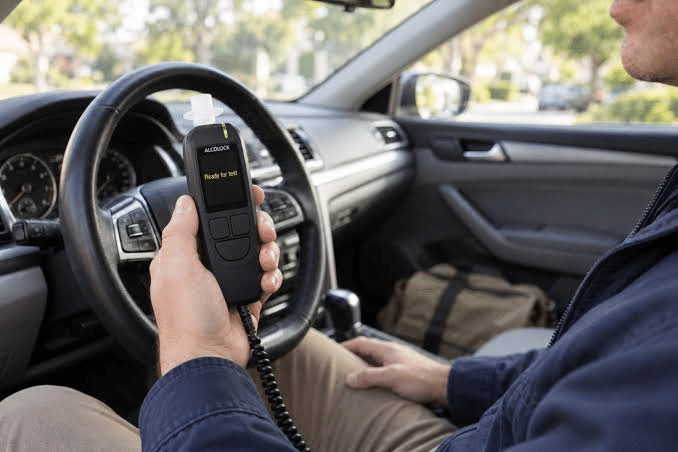
The subject of Ignition Interlock Programs generally falls within the areas of licensing, technology and human behavior. People practicing in the area of driver’s licensing, fleet risk management, and impaired driving generally get asked the same question but from different perspectives, what happens and in what order and where does the program go wrong with the participant.
Here is a step-by-step explanation of how an ignition interlock program generally operates and where people get hung up.
Establishing eligibility before anything else happens
The initial eligibility criteria for participation in an ignition interlock program are set by the licensing authority such as the Department of Motor Vehicles (DMV) or equivalent and consist of three main elements, 1) Type of offense (e.g. DUI, DWI etc.) including blood alcohol content (BAC) and whether or not there was a refusal to take a test; 2) Prior offenses and their corresponding term(s) and any remaining suspension(s) that must elapse prior to the time when an interlock can be installed. Suspension(s) in excess of a certain time frame (e.g. 30-60 days) must elapse prior to the time when an interlock can be installed.
Voluntary, Similar to Mandatory programs in terms of monitoring, but the participant is given the opportunity to reduce the term of prohibition. This can be an effective approach to discourage impaired driving.
Documents to assemble early
- The court disposition or administrative suspension notice, showing the exact prohibition dates
- Written authorization or approval letter from the licensing authority, where one is issued
- Proof of identity and current address matching the driver record
- Medical or assessment documentation, if the jurisdiction requires a substance use evaluation
- Vehicle registration and, where applicable, written consent from the registered owner
Installation, calibration, and the first thirty days
In almost every jurisdiction, Ignition Interlock Devices are installed by an authorized Service Center. This typically takes about an hour to an hour and a half to complete. The first step is to connect the Ignition Interlock Handheld to the Ignition Circuit of the vehicle and to link it to the Control Module of the vehicle. Once the Device is connected to the vehicle, the Service Center Representative will go through a series of tests, including a calibration using a reference gas, to ensure the Device is functioning properly before handing over the keys to the client.
Most failures on the unit in the first month are not from drinking. They are warning level readings due to mouthwash, certain medications, and food left in the mouth. Rinse mouth with water, wait a few minutes and retest before losing engine use. Water alone in the mouth will wash away and be okay in a short time.
What the device records
Modern ignition interlock devices track everything including the time of day that a driver attempts to start a vehicle, the number of tests (or ‘rolling retests’) completed prior to an engine start, test results, engine running time, any interlock device power downs and, on some devices, a photograph of the individual providing a breath sample. These records are forwarded to the relevant monitoring authority(s) with each service visit to a service center approved by such authority(ies) or on a continuous basis by cellular communication where approved. Therefore, Participants should assume that all aspects of their interlock use will be visible to the monitoring authority(s).
Service visits and the monitoring cycle
Service intervals for ignition interlock devices are fixed by regulation, often set for every 30-60 days. If a date for the required service is missed, the ignition interlock device can lock up for good after a specific time (called a “grace period” which is set by the manufacturer). This can result in a participant requiring a tow to a service center for a re-program. There is typically an additional cost for this, and participants driving in Quebec are well advised to confirm their service schedule against the published Quebec interlock device program information before an appointment date slips past.
| Stage | Typical duration | Primary risk at this stage |
| Eligibility and approval | 2 to 8 weeks | Incomplete court documentation delaying the file |
| Installation and training | 1 to 2 hours | Vehicle not owned by participant, consent missing |
| Early compliance period | First 30 days | False positives from mouthwash or food residue |
| Ongoing monitoring | Program term, often 6 to 36 months | Missed service visits causing permanent lockout |
| Removal and reinstatement | 1 to 4 weeks | Violations in the final period extending the term |
How violations extend a term
Most programs require a “clean period” near the end of the term of probation. This means that for the last 60 days or so, the participant must have no failures recorded. One failed rolling retest near the end of the term can restart the clean period all over again. So, participants are usually surprised when after a year of perfect compliance, one slip up at the end causes them to have to serve another month or more of restriction. So flag this up at the start, not after 10 months!
Removal, reinstatement, and what practitioners should verify
Note also that removal of an interlock device from a person’s vehicle and notification to the licensing authority of the device’s removal are two separate processes, requiring some time. Once the licensing authority advises a driver’s removal of the interlock device, a service center will remove the device from a vehicle and rewire the ignition for normal vehicle use. The driver must then apply to have the restriction removed from their driving record.
Programs vary greatly from province to province even if the devices are similar. Rules surrounding length of term, assessment, and approved vendors differ greatly from one province to another. Check the most current information concerning the fees for interlock service, the number of days between service of the device, and the clean period required near the end of the term of interlock for your client’s particular situation with the relevant authority. Also, be advised that this information changes with the stroke of a pen and is rarely published in the media.
A short checklist for file review
- Confirm the hard suspension end date against the authority’s record, not the client’s recollection
- Identify whether participation is mandatory or elective, since appeal rights differ
- Document the clean period rule in writing and give it to the participant
- Calendar every service appointment with a reminder one week ahead
- Confirm written removal authorization before scheduling uninstallation