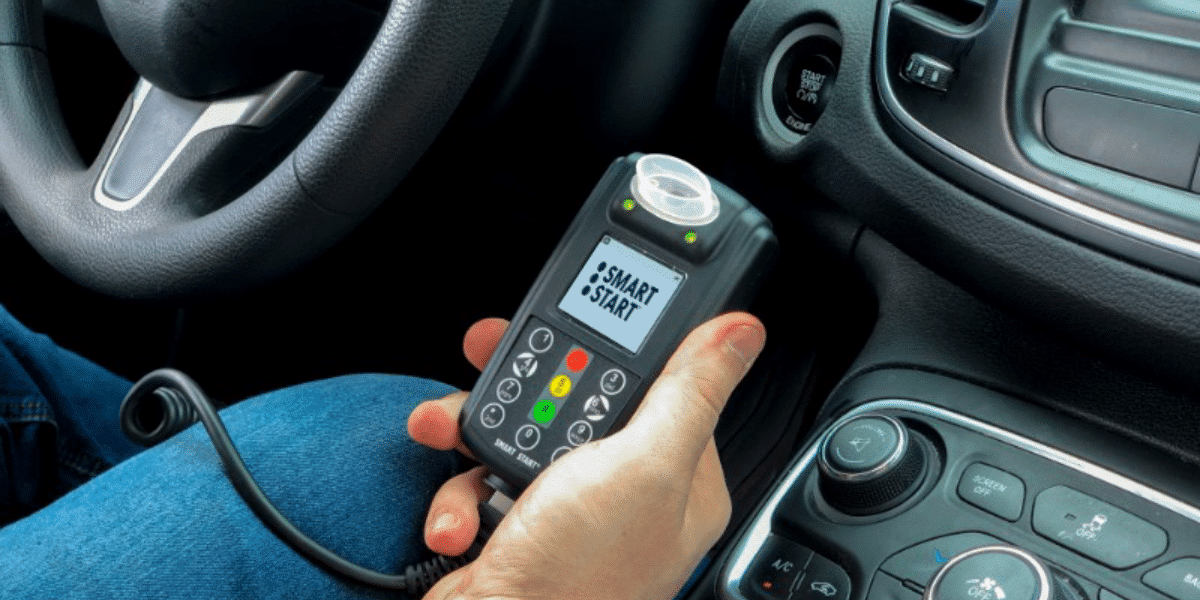
Unlike other products, the success and failure of an ignition interlock program is largely in the hands of the administration of the program. While many different breath testers now use similar sensors to test for breath alcohol content, and report similar information, there are very significant differences between the services of different providers of interlock devices. Typically, the administration of an interlock program includes installation of the device, the required monitored calibrations, required re-calibrations and service visits, required reporting of information to the monitoring service, and required lockouts for “violations” such as lost breath tests, low samples, etc.
For the attorney, probation officer, case manager and fleet safety manager of participants, determining what constitutes good support for their clients/participants is an important consideration in selecting a provider. The questions below help differentiate between those who run a full compliance service and those who merely sell equipment to be installed.
Installation that accounts for the vehicle, not just the device
Installation is key to avoiding downstream problems. Work done to connect an interlock to an unmaintained wiring loom can rapidly result in a fault such as ‘power loss, appears to have been tampered with’. A competent interlock installer would ask about a vehicle’s secondary functions (remote start etc.) before setting out to do the work and would take note of a car’s battery rated amp output before commencing.
What to confirm before the appointment
- Whether the shop has installed on that make, model, and year, particularly for hybrids, push-button start systems, and vehicles with start-stop technology.
- How remote start or alarm systems will be handled, and whether a bypass or reprogramming is required.
- Who owns the vehicle, since leased and employer-owned vehicles usually require written consent on file.
- Whether the provider documents the pre-installation battery and electrical condition, which protects the participant if disputes arise later.
- How long the appointment takes and whether training on the rolling retest is included rather than rushed.
Training the participant on how to use the ignition interlock is critical to preventing most of the initial violations that occur. The vast majority of the errors occur in the form of improper retests, droplets in the tube, failure to complete a prompted test within the allotted time, etc. A provider that actually walks the participant through all of the sequences for providing a proper sample in the vehicle where the interlock will be installed (with actual samples) will prevent the vast majority of problems down the road.
Verifying approved status and jurisdictional scope
Don’t assume that a device is approved for a particular state, program or category of case. Verify the approved vendors for a state, as well as the specific programs for which a vendor is approved. Even approved devices have varying levels of approval for federal model specifications. Also, people on oxygen can present special challenges for obtaining approval. Units are often not approved for interlock use while a person is on oxygen.
Don’t rely on vendor brochures for approved status for a program. Confirm approved status with the issuing authority for the state program before settling on a car breathalyzer provider in Virginia, and verify that the vendor is approved for the category of case (e.g. First offense, second offense, commercial) for which the participant has been sentenced.
Questions that reveal real coverage
- How many service centers sit within a reasonable driving distance, and what their actual calibration hours are.
- Whether mobile service is available, and at what additional cost.
- What happens if the participant relocates, and whether the provider has reciprocal arrangements in the destination state.
- How quickly a lockout can be cleared outside of business hours.
Comparing support models before committing
Service levels can differ greatly from one provider to another even when pricing appears to be similar. See chart below.
| Support area | Minimum acceptable | Strong practice |
| After-hours lockout help | Voicemail with next-day callback | Live technical line with remote unlock codes |
| Calibration scheduling | Participant must call and book | Automated reminders plus confirmed appointments |
| Reporting to monitoring authority | Submitted on request | Submitted on a fixed cycle with copies to the participant |
| Disputed event handling | Raw log provided | Written technical explanation and retest documentation |
| Removal | Device removed | Removal certificate issued and filed with the authority |
Ongoing program obligations the provider should manage
Notice of required service visits, missed calibration, and missed monitoring report submittal can have severe consequences to individuals and organizations alike. As the holder of the information related to the client’s test results, lockouts, etc., the vendor should provide notification of required actions in sufficient time to prevent lockouts. Does the vendor send out notices prior to lockout, as opposed to after lockout?
Documentation participants should keep
- Every service receipt showing date, device serial number, and technician identification.
- Copies of all reports submitted to the monitoring authority.
- Written explanations for any flagged event, including medical or environmental causes such as certain mouthwashes or fuel vapors.
- The final removal certificate and proof it reached the licensing body.
Where to confirm requirements
While the laws regarding the use of ignition interlock devices, approved interlock companies, prices to be paid by the offender, and definitions of violations vary from state to state, as well as from court to court, vendor information should be used as operational guidance and all program requirements should be confirmed with the issuing court, state motor vehicle agency, and/or case manager or probation officer supervising the offender.