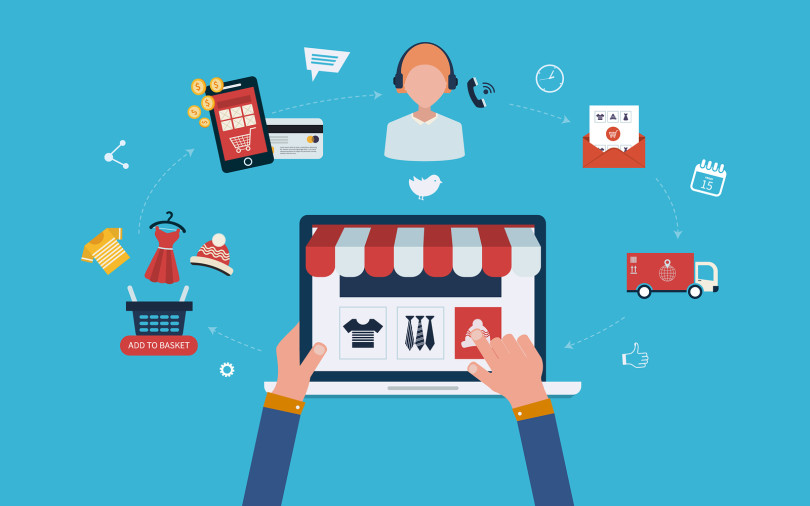
Customer Relationship Management (CRM) coupled with ecommerce is indispensable in the modern business environment. The ecommerce software enhances the overall CRM efforts by providing customer-related information. Customer-related information supports the ecommerce efforts across all marketing channels. The purpose of all the efforts is to create a magnified view of the customer across all channels and touchpoints. A business focuses on improving profitability and profit margin for a business profile.
Centralizing Data Sets:
CRM is the backbone of effective e-commerce efforts, and its impact. The ecommerce software works as a ladder to approach the target market. This makes the decision-making effective for maximum productivity for an organization.
- Central Customer Profile: There is a deep connection between the CRM and e-commerce software. The data is extracted from the e-commerce platforms, like purchase history, browsing behavior. It includes the chat logs, support tickets, and returns marketing. The data is collected by email clicks, ad responses for in-depth collection of data. This also includes the social media responses and creates a 360-degree view of the customer. It supports marketing the full context for every interaction to become more supportive.
- Workable Insights: The ecommerce software converts the raw data into actionable work. A business can take forecast future trends and formulate a strategy. The high future purchasing patterns predict drop-off rates on a specific product page. These are used to predict future purchasing patterns.
- Forecasting and Inventory: Forecast the buying patterns and seasonality from the CRM data. A business can achieve better inventory planning and sales forecasting. This minimizes stockouts and reduces costly overstocking.
Driving Targeted Marketing and Sales Growth
CRM is essential for precision marketing of an ecommerce platform. It ensures every dollar spent on promotion is targeted for maximum return on investment.
- Advanced Segmentation: The e-commerce software allows businesses to segment the market on the basis of similar qualities. The customer base is far beyond basic demographics like age, gender, etc. CRM ecommerce softwares creates dynamic listings of consumers according to their buying behavior. A product X has been bought by a customer but hasn’t been bought in 90 days. An ecommerce platform drives the traffic towards the
- Marketing Automation: The e-commerce software for CRM systems powers. There is a sophisticated lifecycle marketing flow for different products. It automatically triggers personalized emails, SMS messages, or app notifications. The whole system works based on specific user actions on the different groups of users. The most crucial example is abandoned cart recovery, which significantly recoups lost sales revenue.
- Upselling and Cross-Selling: The most important thing is past purchases and browsing history of your targeted audience. The CRM identifies perfect opportunities for selling the product to different platforms. The cross-selling is only recommending complementary products. The upselling (offering a premium version) directly increases the Average Order Value (AOV).
Take Away:
In essence, the CRM transforms the anonymous online interaction into a sustained, informed relationship, making it the most critical software investment for any e-commerce business focused on sustainable growth and profitability.