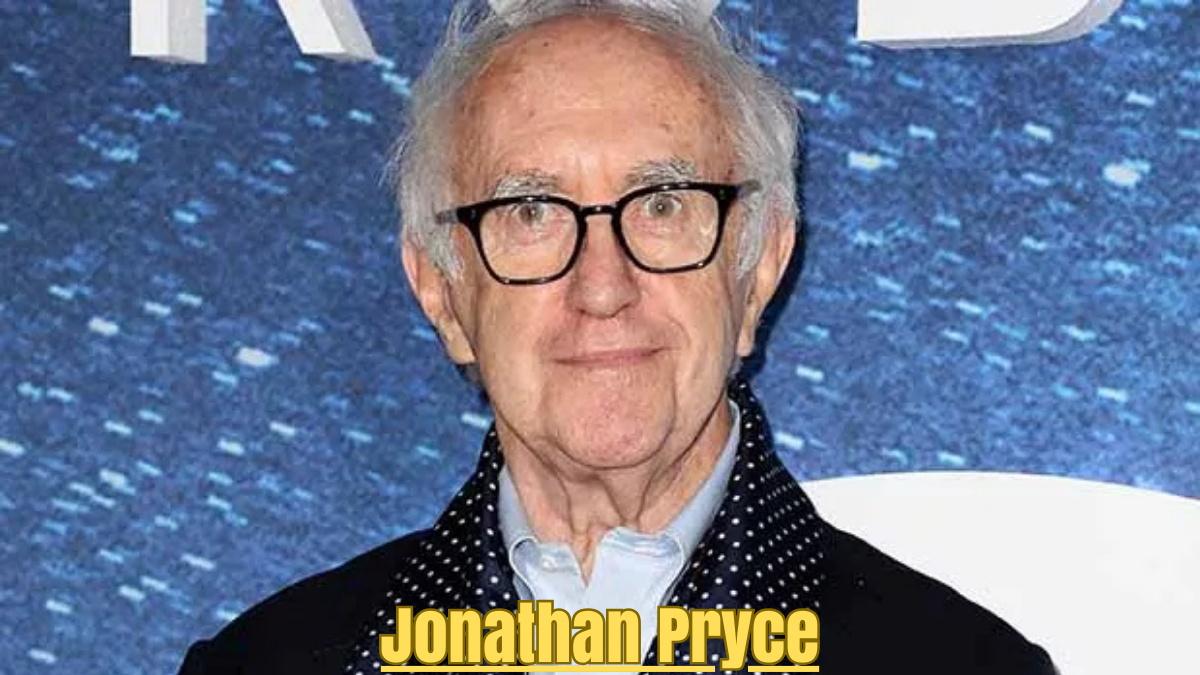
Jonathan Pryce is a Welsh actor whose career spans theatre, film, and television, with professional activity dating back to the early 1970s. He is recognised for his disciplined performances, careful role selection, and long-term relevance in an industry that often favours short-term visibility. His work has remained consistent across decades, from classical stage productions to modern streaming series.
For audiences in the UK and internationally, Jonathan Pryce is best known for roles that demand authority, intelligence, and emotional restraint. Rather than relying on celebrity appeal, his reputation has been built through sustained professional credibility, making him a reference point for serious character acting.
Early Life and Education
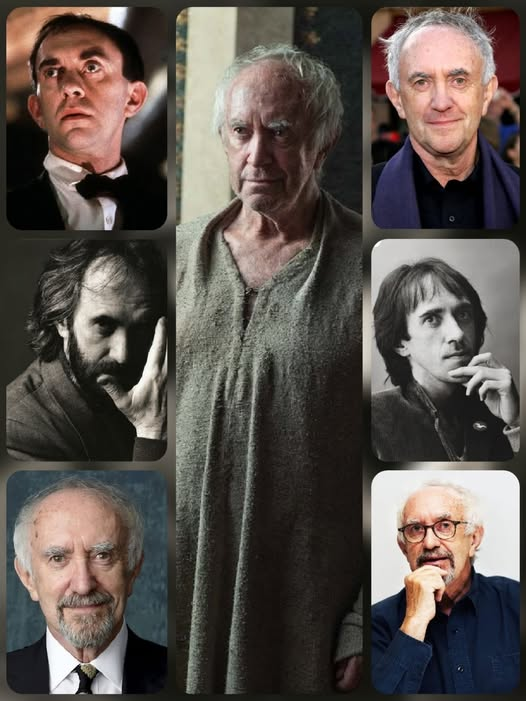
Jonathan Pryce was born on 1 June 1947 in Carmel, Flintshire, Wales. Raised in a Welsh-speaking, working-class household, his upbringing emphasised discipline and education rather than artistic ambition. His early academic path did not initially point towards acting, and he explored teaching and art before discovering theatre during his studies.
He later trained at the Royal Academy of Dramatic Art, where he received classical instruction in voice, movement, and text analysis. This formal education became a defining influence on his career, shaping his clear diction and controlled performance style. His training also prepared him for the demands of Shakespearean theatre, which would become central to his early professional development.
Age and Personal Life
As of 2026, Jonathan Pryce is 78 years old and remains professionally active. His later career demonstrates how experience can enhance performance rather than limit opportunity. Roles undertaken in recent years often require moral authority, psychological complexity, or historical weight, areas where his experience adds credibility rather than constraint.
Jonathan Pryce is married to actress Kate Fahy, whom he met during his early theatre career. The couple married in 2015 after a long-term relationship and have three children. Pryce has consistently maintained a private personal life, avoiding publicity unless required for professional reasons. This separation between personal and professional identity has contributed to his long-term stability in the public eye.
Early Career and Theatre Foundations
Jonathan Pryce began his professional career in theatre, working with regional companies before joining major British stages. His early performances with organisations such as the Royal Shakespeare Company allowed him to build a reputation for intellectual depth and emotional precision. Theatre provided the foundation for his acting discipline and remains central to his professional identity.
One of his most significant early achievements was his acclaimed performance as Hamlet, which established him as a serious classical actor. He later gained international stage recognition for his role as The Engineer in Miss Saigon, a performance that earned major awards and placed him at the centre of a widely discussed moment in modern theatre history. These stage roles shaped both his reputation and future opportunities.
Breakthrough in Film and Major Movie Roles
Jonathan Pryce’s breakthrough film role came with Brazil, directed by Terry Gilliam. The performance introduced him to international audiences and demonstrated his ability to carry complex narratives on screen. The film later gained cult status, cementing his place within serious cinema rather than mainstream celebrity culture.
Over the following decades, Jonathan Pryce appeared in a range of notable films, including Evita, Tomorrow Never Dies, Glengarry Glen Ross, and The Age of Innocence. He also played Governor Weatherby Swann in the Pirates of the Caribbean franchise, balancing dramatic credibility with large-scale commercial filmmaking. His film career reflects careful selection rather than volume, prioritising substance over exposure.
Television Work and Recognition Through TV Shows
Television has played a major role in sustaining Jonathan Pryce’s relevance in the modern era. His portrayal of the High Sparrow in Game of Thrones introduced him to a younger global audience and was widely praised for its quiet authority and psychological tension. The role demonstrated how restrained performance can dominate complex ensemble series.
He later portrayed Prince Philip in The Crown, delivering a measured interpretation that avoided imitation in favour of character realism. More recently, he appeared in Slow Horses, further reinforcing his association with high-quality, character-driven television. These roles have positioned him as a reliable presence in prestige drama rather than short-term entertainment.
Theatre Legacy and Continued Stage Work
Despite international recognition in film and television, Jonathan Pryce has remained closely connected to theatre. He has returned regularly to the stage throughout his career, performing in productions such as King Lear, The Merchant of Venice, and The Height of the Storm. Critics frequently highlight his ability to balance technical control with emotional vulnerability.
His theatre work is often cited as the benchmark against which his screen performances are measured. For Pryce, the stage is not a stepping stone but a parallel career path that continues to shape his approach to acting. This sustained commitment distinguishes him from actors who move away from theatre once screen success is achieved.
Awards, Honours and Professional Achievements
Jonathan Pryce has received significant recognition for his work across multiple mediums. He has won Tony Awards for his performances on Broadway and Olivier Awards for his contributions to British theatre. These honours reflect excellence in live performance, where consistency and discipline are most visible.
In film, he received an Academy Award nomination for his portrayal of Pope Francis in The Two Popes, a role that showcased emotional restraint and moral complexity. In 2021, he was knighted for services to drama, formally acknowledging his contribution to British cultural life. His awards reflect longevity and cross-disciplinary achievement rather than isolated success.
Recent Work and Current Career Direction
In recent years, Jonathan Pryce has continued to appear in high-profile projects, demonstrating sustained relevance well into his late seventies. His appearances in productions released between 2024 and 2026 show a preference for mature storytelling and ensemble casts rather than leading roles designed purely for visibility.
This phase of his career is defined by selectivity rather than volume. Pryce now chooses projects that align with his strengths, focusing on narrative quality, character depth, and collaboration with experienced creatives. This approach allows him to remain active without diluting his professional legacy.
Cultural Impact and Long-Term Legacy
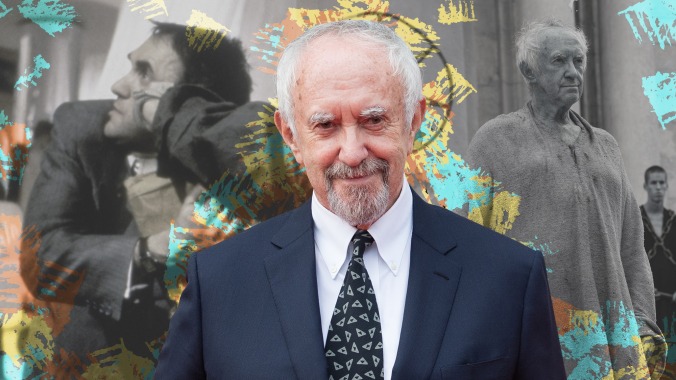
Jonathan Pryce’s cultural impact lies not in a single defining role but in the consistency of his career. He is frequently cited as an example of how classical training, professional discipline, and careful role selection can sustain relevance across decades. His career is studied by younger actors as a model for long-term artistic integrity.
Within British acting culture, Pryce represents reliability, intellectual seriousness, and respect for the craft. His legacy continues to grow as he remains active, contributing to both contemporary productions and the historical record of British performance.
Conclusion
Jonathan Pryce’s career demonstrates how sustained excellence is built through discipline rather than visibility. From his early theatre foundations to internationally recognised film and television roles, he has consistently prioritised quality, depth, and credibility. His professional journey reflects a commitment to acting as a craft rather than a platform.
For audiences seeking thoughtful performances and well-constructed characters, Jonathan Pryce remains a trusted and respected presence. His continued activity in later life reinforces the idea that experience enhances performance, ensuring his place in British and international acting history.
You may also read: Legitimacy and Safety Concerns of quikconsole com