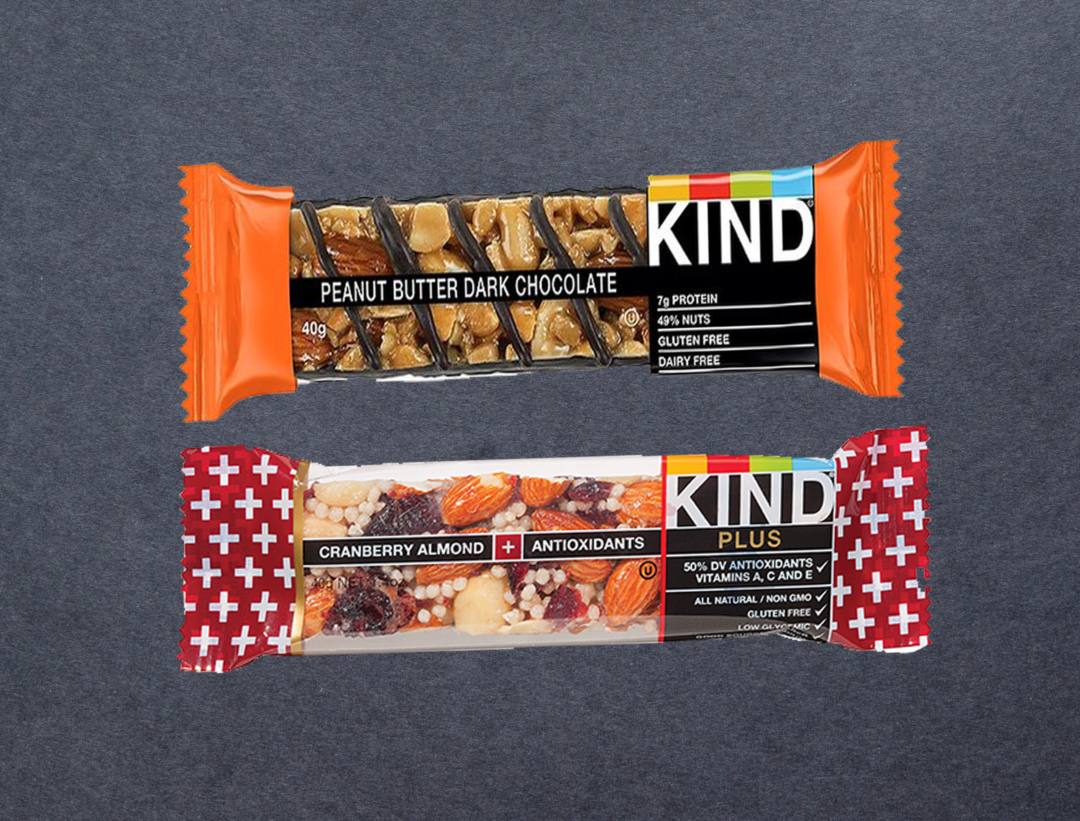
Snack habits in the UK have changed noticeably in recent years. Many people still rely on quick, portable food during busy days, but there is growing attention on what those snacks contain. Instead of choosing items based only on taste or convenience, shoppers increasingly want clarity around ingredients, portion size and nutritional value. This shift has helped Kind Bars become a recognisable option in the UK snack market.
Rather than positioning themselves as a miracle health product, Kind Bars sit somewhere between indulgent snacks and everyday fuel. They are commonly chosen by office workers, commuters, gym-goers and parents who want something simple, filling and easy to carry. To understand whether they are a good fit for your routine, it helps to look closely at what Kind Bars actually are, how they differ across ranges, and how to choose the right option for your needs.
What Are Kind Bars
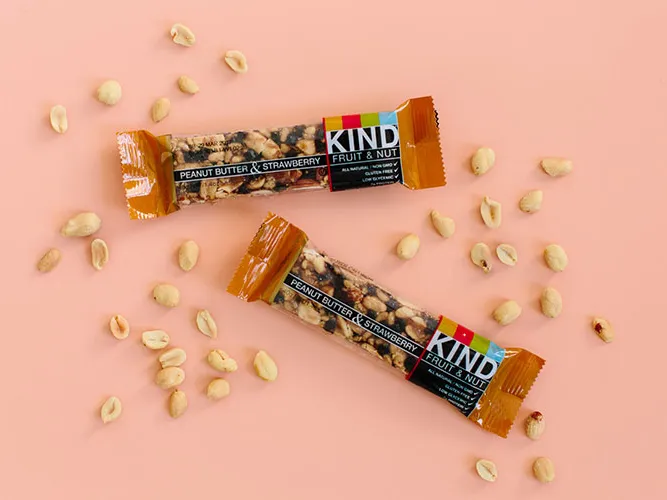
Kind Bars are packaged snack bars primarily made from nuts, grains and other familiar ingredients. They are part of the wider KIND snack range, which includes several different product lines sold in the UK. While the brand originated in the United States, its products are now widely available through UK supermarkets and online retailers.
One of the main reasons people search for “Kind Bars” is to understand how they differ from traditional cereal bars or chocolate snacks. In most cases, Kind Bars are nut-forward, meaning nuts form a large proportion of the bar rather than being a small topping. This gives them a denser texture and a more filling feel compared to lighter cereal-based snacks.
It’s important to note that “Kind Bars” is an umbrella term. Nutrition, ingredients and suitability can vary significantly depending on the specific bar, flavour and product line.
Ingredients and How to Read Them
A key appeal of Kind Bars for many UK shoppers is ingredient transparency. Most bars list a relatively short set of ingredients compared to highly processed snacks. Common components include nuts such as almonds or peanuts, grains, flavourings like cocoa or dark chocolate, and binding ingredients that help hold the bar together.
However, “simple ingredients” does not automatically mean identical nutrition across all bars. Some flavours include dried fruits or sweeteners, while others rely more heavily on nuts and seeds. For this reason, the most reliable approach is always to read the ingredient list and allergen information printed on the packaging.
From a content standards perspective, it is important not to generalise. Some bars may be suitable for certain dietary needs, while others are not. Ingredient lists can also change over time, so label-checking remains essential.
Calories, Protein and Nutritional Value
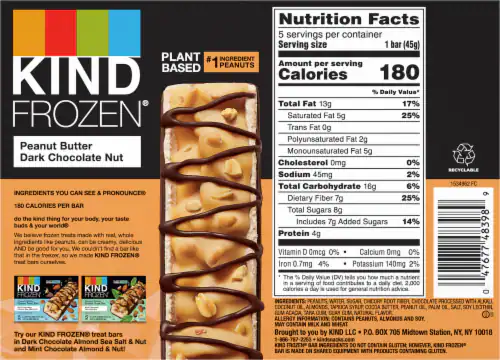
One of the most common questions people ask is whether Kind Bars are “healthy”. The answer depends on context and expectations. Kind Bars are not low-calorie snacks, and they are not designed to be. Nut-based bars naturally contain more fat and calories than lighter cereal bars, but they also tend to be more filling.
Calories, protein and sugar content vary by product. Standard nut-based bars often provide moderate protein alongside fibre and fats from nuts. Protein-specific bars are formulated differently and are designed to deliver higher protein per bar. Because of these differences, it is misleading to quote a single nutrition profile for all Kind Bars.
For everyday use, many people choose Kind Bars as a replacement for biscuits or chocolate when they want something that feels more substantial. Others use them as a stopgap between meals, especially during long workdays or travel.
Sugar Content and Portion Awareness
Sugar is often a concern for UK consumers, and it is reasonable to look closely at this when choosing snack bars. Some Kind Bars contain added sweeteners, while others rely more on the natural sweetness of ingredients such as fruit or chocolate.
Rather than focusing on whether a bar contains sugar at all, it is more useful to compare sugar per bar and consider portion size. A single bar may fit comfortably into a balanced diet, while eating multiple bars in one sitting may not align with certain goals, such as weight management.
Clear portion awareness is one of the reasons Kind Bars are often chosen over loose snacks. Each bar is pre-portioned, making it easier to track intake.
Are Kind Bars Suitable for Special Diets
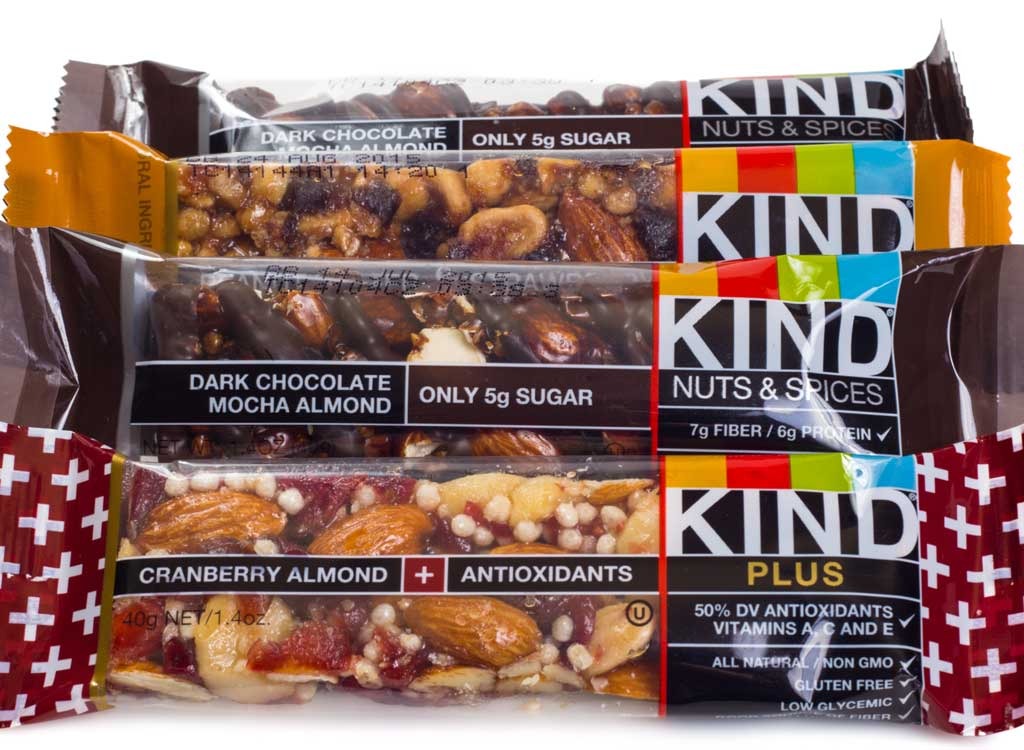
Many people search for Kind Bars with specific dietary needs in mind, such as gluten-free, vegan or low-carb eating. This is an area where careful wording matters.
Some Kind Bars sold in the UK are labelled gluten-free, but this does not apply to every flavour or product line. Manufacturing processes and recipes can also change, so packaging information should always be treated as the final authority.
Vegan suitability varies as well. Certain bars may include ingredients such as honey or milk-derived components, while others may not. Rather than assuming suitability based on brand reputation, it is best to check each product individually.
For low-carb or keto-style diets, Kind Bars may or may not fit depending on carbohydrate limits. Nut-based snacks often contain carbs from binding ingredients or flavourings, which can add up quickly.
Popular Kind Bar Options in the UK
In the UK market, nut-based flavours tend to be among the most recognisable and widely stocked. Bars that combine nuts with dark chocolate and sea salt are frequently chosen because they balance savoury and sweet flavours while still feeling indulgent.
Beyond classic nut bars, the brand also offers ranges aimed at different use cases, including higher-protein bars and smaller portion options. Understanding these categories helps shoppers choose based on function rather than branding alone.
For example, someone looking for a quick snack during a commute may prefer a standard nut bar, while someone planning a post-workout snack may compare protein-focused options instead.
Where to Buy Kind Bars in the UK
Availability is one of the strengths of Kind Bars in the UK. They are commonly stocked by major supermarkets, health food retailers and convenience stores. Online platforms also offer multipacks, which can be more economical for regular buyers.
When buying in-store, availability may vary by branch and region. Online shopping often provides a wider range of flavours and pack sizes, making it easier to compare options.
A useful tip for UK shoppers is to compare price per bar or price per 100g rather than relying on headline prices. Multipacks can significantly reduce cost per serving.
Choosing the Right Kind Bar for Your Routine
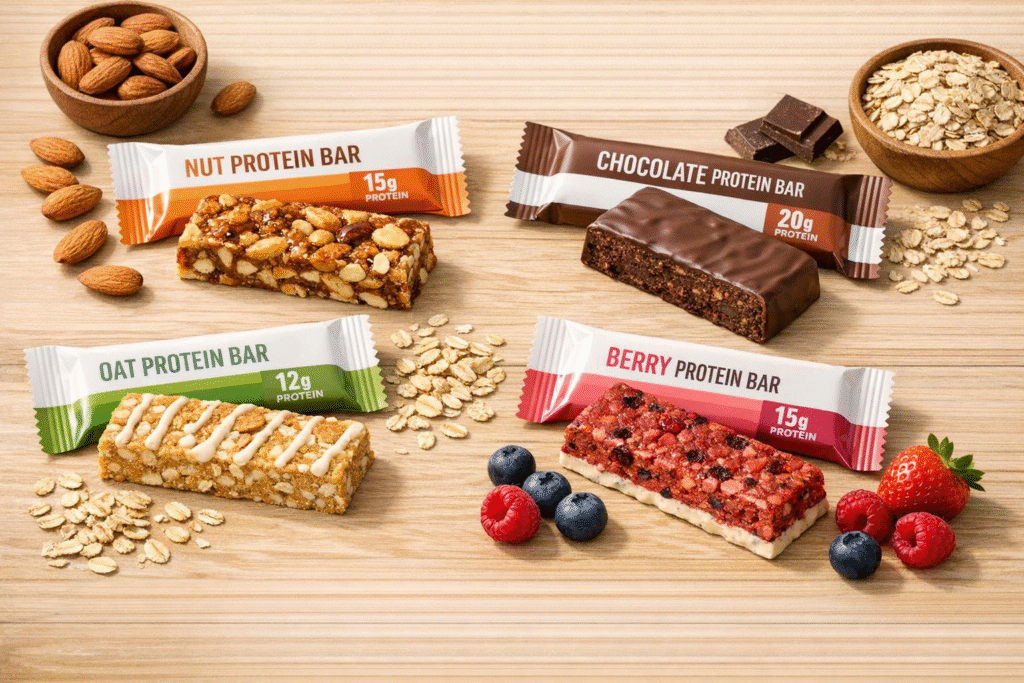
The best Kind Bar for you depends on when and why you plan to eat it. For mid-afternoon snacking, many people prefer bars that feel filling without being overly sweet. Nut-heavy options can work well here because they slow digestion and provide longer-lasting energy.
For busier days when meals may be skipped or delayed, bars with higher protein may feel more satisfying. However, it is still worth remembering that snack bars are not full meal replacements.
For families, smaller or mini-sized bars can be useful for lunchboxes, provided nut allergies are carefully considered.
Homemade Alternatives and Cost Control
Some UK consumers choose to make their own nut bars inspired by products like Kind Bars. Homemade versions allow full control over ingredients, sweetness and portion size. They can also be more cost-effective for households that snack regularly.
A basic homemade bar typically includes mixed nuts, seeds and a binding ingredient such as honey or syrup, pressed into a tray and chilled or lightly baked. While homemade bars require more preparation, they can be adapted for different dietary preferences.
This option is particularly appealing for people who want to reduce sugar further or experiment with different flavour combinations.
Brand Background and Ownership
Questions about ownership and brand background are common, especially for widely distributed food products. KIND operates as part of a larger food group following its acquisition, which has expanded its global reach. While ownership does not directly affect nutrition, transparency around who produces food products can influence trust for some consumers.
Including this information helps answer common user questions without turning the article into corporate history.
Final Thoughts on Kind Bars UK
Kind Bars occupy a clear space in the UK snack market. They are not diet products, but they are also not empty-calorie treats. Their main strength lies in offering a portable, filling snack made with ingredients that many people recognise and enjoy.
For best results, Kind Bars should be chosen deliberately rather than casually. Reading labels, comparing flavours, and matching the bar to your specific needs will help you get the most value from them.
When used as part of a balanced diet, Kind Bars can be a practical option for modern UK lifestyles that demand convenience without completely sacrificing food quality.
Frequently Asked Questions
Are Kind Bars healthy?
They can be a sensible snack choice depending on flavour, portion size and overall diet. They are best viewed as an alternative to more processed snacks rather than a health solution.
Do Kind Bars contain a lot of sugar?
Sugar content varies by product. Checking the nutrition label for “of which sugars” per bar is the most reliable approach.
Are Kind Bars suitable for children?
They can be, but nut allergies should always be considered. Smaller portion options may be more appropriate for younger children.
Can Kind Bars replace a meal?
They are not designed as full meal replacements, but some people use them as temporary solutions when meals are delayed.
Are all Kind Bars the same?
No. Ingredients, nutrition and suitability vary by flavour and product range, so it’s important to compare individual products rather than the brand as a whole.
You may also read: A Diverse Range of Games at Las Atlantis Casino