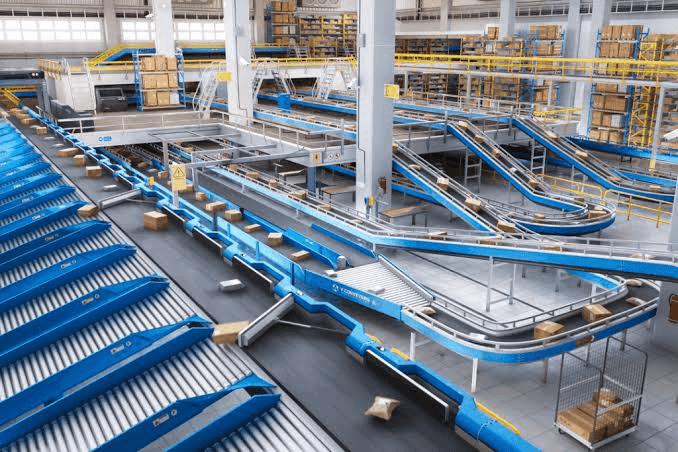
Modern manufacturing requires efficient packaging systems that can handle products quickly and consistently. A packing line machine can automate several stages of the packaging process, helping manufacturers move products from filling and sorting to sealing, labeling, and final packing.
Packing line machines are used across many industries, including food, cosmetics, pharmaceuticals, chemicals, consumer goods, and industrial manufacturing. Depending on the product and packaging format, a packing line can be customized with different machines and automated systems.
What Is a Packing Line Machine?
A packing line machine is part of an automated or semi-automated packaging system designed to complete one or more packaging operations.
Instead of relying entirely on manual labor, a packing line connects different machines so products can move through the packaging process in an organized sequence.
A complete line may include feeding equipment, filling machines, weighing systems, sealing machines, labeling equipment, inspection systems, and conveyors.
The exact configuration depends on the product, package type, production capacity, and factory layout.
How Does a Packing Line Machine Work?
The operation of a packing line starts when products enter the system. Products may come directly from a manufacturing process, storage hopper, conveyor, or other equipment.
The feeding system moves products into the appropriate position. Depending on the application, products may then be counted, weighed, filled, or placed into containers.
After filling or loading, packaging materials are sealed. Labels and product information can then be added before the finished packages move toward secondary packaging or storage.
Sensors and control systems can coordinate different stages of the process, allowing machines to operate together.
Main Components of a Packing Line
A packing line can contain several types of equipment.
Feeding System
The feeding system delivers products or containers to the next stage. Its design depends on the product’s size, shape, and physical characteristics.
Filling Machine
Filling equipment places a controlled amount of product into bags, bottles, jars, pouches, or other containers.
Sealing Machine
The sealing system closes the package and helps protect the product during handling and transportation.
Labeling Machine
Automatic labeling equipment applies product labels at a consistent position.
Conveyor System
Conveyors connect different machines and move products between packaging stages.
Inspection System
Inspection equipment can check package presence, positioning, labels, seals, or other characteristics depending on the production requirements.
Benefits of Using a Packing Line Machine
One of the main benefits of a packing line machine is improved production efficiency. Automated equipment can perform repetitive tasks continuously according to programmed settings.
Automation can also help create more consistent packages by controlling filling, sealing, counting, or labeling operations.
Other potential benefits include:
- Reduced repetitive manual work
- Consistent packaging operations
- Faster production processes
- Better workflow organization
- Easier integration with other equipment
- Flexible packaging configurations
- Improved production monitoring
The actual results depend on the machine design and operating conditions.
Applications of Packing Line Machines
Packing line machines are used in many industries.
Food manufacturers may use them for products such as snacks, grains, powders, and processed foods. Cosmetic companies can use packaging lines for creams, lotions, shampoos, and other products.
Pharmaceutical manufacturers may use specialized systems for bottles, blister packs, cartons, and other pharmaceutical packaging.
Industrial companies can use packing lines for hardware components, chemicals, spare parts, and other products.
Choosing the Right Packing Line
Several factors should be evaluated before selecting a packing line machine.
First, manufacturers should identify the characteristics of the product. Product size, weight, viscosity, shape, and physical condition can influence the equipment required.
The package format is also important. A line designed for bottles may require different equipment from one designed for bags, pouches, cartons, or trays.
Production capacity should be considered as well. Manufacturers should determine the required output per minute or hour before selecting machine specifications.
Available factory space and the arrangement of existing equipment should also be considered.
Automation Level
Packing lines can be semi-automatic or fully automatic.
A semi-automatic system may require operators to load products or perform certain manual steps. A fully automatic line can connect multiple machines and conveyors to reduce manual handling.
The appropriate level of automation depends on production volume, labor availability, product requirements, and investment plans.
Maintenance and Safety
Regular maintenance is essential for reliable packing line operation. Operators should inspect conveyors, sensors, sealing components, feeding mechanisms, and other moving parts according to the manufacturer’s recommendations.
Cleaning is also important, particularly when the equipment handles food, cosmetics, or other products that require controlled production conditions.
Operators should receive proper training and follow machine safety procedures. Protective guards and emergency systems should be maintained and used correctly.
Conclusion
A packing line machine can help manufacturers organize and automate important packaging operations. By connecting feeding, filling, sealing, labeling, inspection, and conveying equipment, a packing line can support consistent and efficient production.
The right system depends on the product, packaging format, required production speed, available space, and desired level of automation. Careful planning and equipment selection can help manufacturers develop a packaging process that meets both current and future production needs.