Introduction to Palmera Datilera
The palmera datilera, scientifically known as Phoenix dactylifera, is one of the most iconic and historically significant palm trees in the world. It has been cultivated for thousands of years across arid and semi-arid regions, particularly in the Middle East, North Africa, and parts of the Mediterranean. Known for its resilience and long lifespan, this palm is not only valued for its ornamental beauty but also for producing the highly nutritious date fruit, which has been a staple food in desert civilizations for centuries.
Beyond its agricultural importance, the palmera datilera represents survival, sustainability, and adaptability. Its ability to thrive in extreme heat and dry environments makes it an essential plant in desert ecosystems. In modern landscaping and horticulture, it is widely used for decorative purposes, especially in warm coastal regions where its tall trunk and feather-like leaves create a tropical aesthetic that enhances gardens, streets, and resorts.
Botanical Characteristics and Scientific Overview
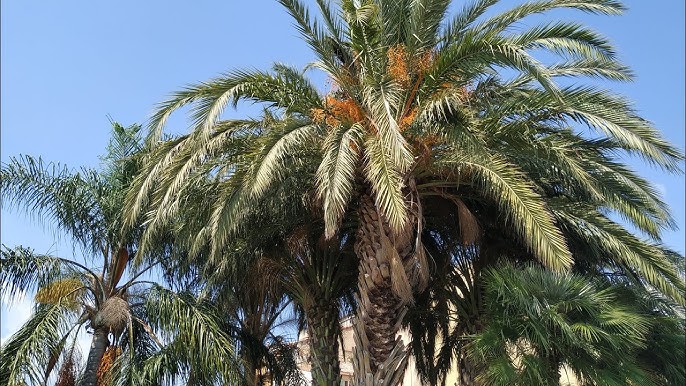
The palmera datilera belongs to the Arecaceae family and is a dioecious plant, meaning male and female flowers grow on separate trees. It typically reaches a height between 15 and 25 meters, although some specimens can grow even taller under ideal conditions. The tree has a single, thick trunk covered with remnants of old leaf bases, while its crown consists of long, arching pinnate leaves that can extend several meters in length.
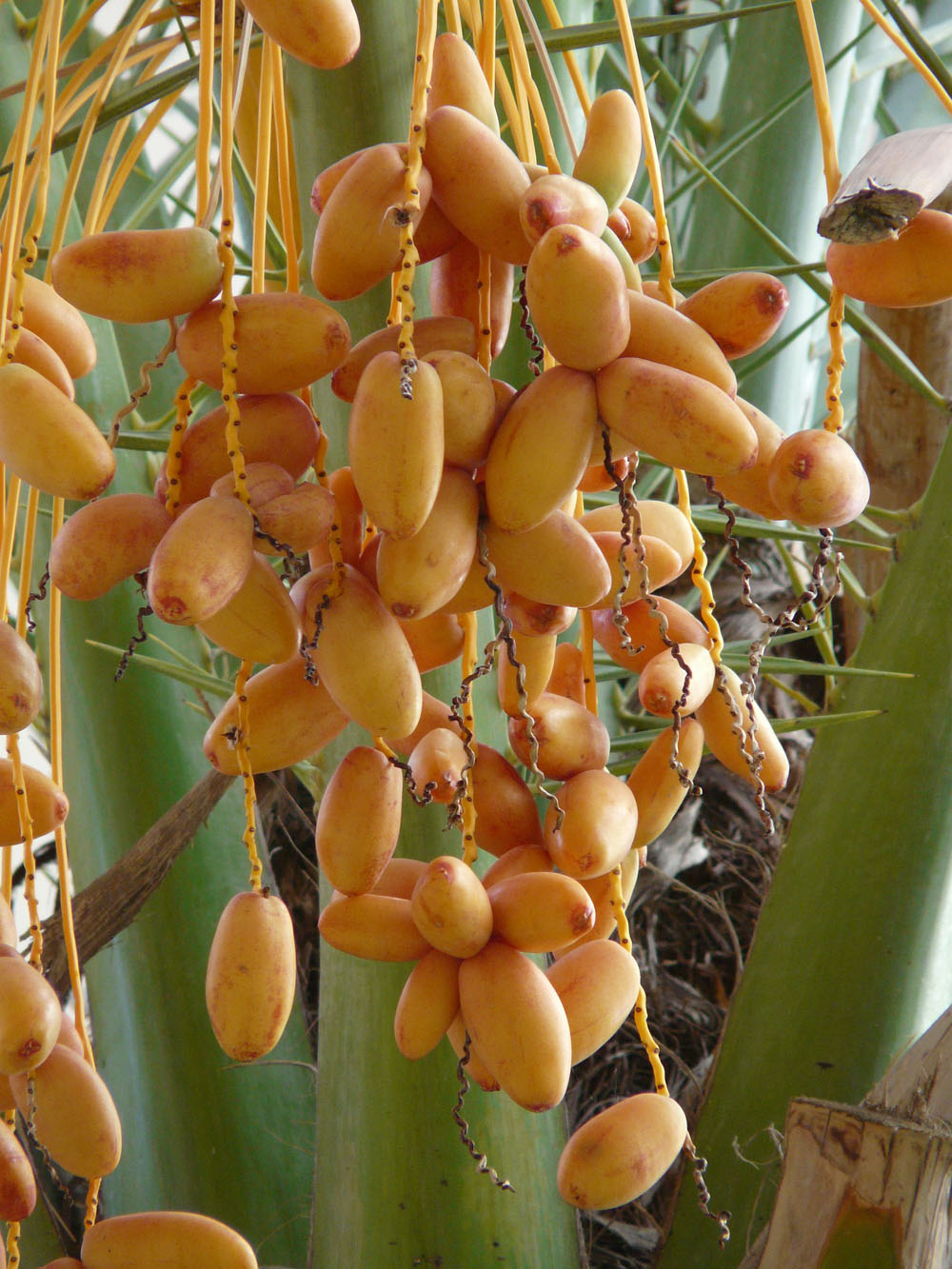
From a botanical perspective, this species is highly adapted to harsh environments. Its deep root system allows it to access underground water sources, while its waxy leaves help reduce water loss through evaporation. The fruit, known as the date, develops in large clusters and matures from green to golden-brown or dark brown depending on the variety. Each fruit contains a single seed, which plays a key role in reproduction and propagation of new palms.
Growing Conditions and Cultivation Guide
Growing a palmera datilera requires warm temperatures, full sunlight, and well-drained soil. It thrives best in sandy or loamy soils with good aeration and a slightly alkaline pH. Although it is highly drought-resistant once established, young plants need consistent watering to develop strong roots. Proper site selection is essential, as the palm needs ample space for its roots and canopy to expand over time.
Propagation is commonly done through seeds or offshoots, with seeds taking several weeks to germinate under warm conditions. The process requires patience, as the tree grows slowly in its early years before accelerating in height development. In commercial farming, offshoot propagation is preferred to ensure fruit quality and consistency. With proper care, a palmera datilera can begin producing fruit within 6 to 10 years, making it a long-term but rewarding agricultural investment.
Care and Maintenance of Date Palm
Maintaining a healthy palmera datilera involves a balanced routine of watering, fertilization, and pruning. Young trees should be watered regularly, especially during dry seasons, to support root establishment. Mature palms require less frequent irrigation but benefit from deep watering during extreme heat. Fertilizers rich in potassium and magnesium help promote strong growth and improve fruit production quality.
Pruning is also an important aspect of maintenance. Removing dead or damaged fronds helps prevent pest infestations and improves air circulation around the tree. Additionally, regular inspection is necessary to detect early signs of diseases or pests such as the red palm weevil, which can severely damage the trunk if left untreated. With proper care, the palmera datilera can remain healthy and productive for decades, making it a valuable long-term plant for both agriculture and landscaping.
Uses, Benefits and Economic Importance
The palmera datilera is one of the most useful trees in arid regions due to its wide range of applications. Its fruit, dates, are rich in natural sugars, fiber, vitamins, and essential minerals, making them a highly nutritious food source. They are consumed fresh, dried, or processed into syrups, desserts, and traditional dishes across many cultures. In addition to food, date palms provide shade and help improve microclimates in desert agriculture.
Economically, the tree plays a vital role in rural livelihoods. Every part of the palm has value: the trunk is used for construction materials, leaves for weaving baskets and mats, and fibers for rope production. In many regions, date farming supports entire agricultural economies and export markets. Culturally, the palm is also symbolic of peace, resilience, and prosperity, making it a deeply respected species in both traditional and modern societies.
Common Problems and Solutions
Despite its resilience, the palmera datilera can face several challenges during cultivation. One of the most serious threats is pest infestation, particularly from insects like the red palm weevil, which attacks the internal structure of the trunk. Fungal infections can also occur in humid environments, especially if soil drainage is poor or watering is excessive. Early detection is essential to prevent long-term damage.
To address these issues, regular monitoring and preventive care are necessary. Using organic or eco-friendly treatments can help control pests without harming the environment. Ensuring proper soil drainage and avoiding overwatering significantly reduces the risk of root rot and fungal growth. In addition, removing infected parts of the plant quickly can prevent the spread of disease and maintain overall plant health.
Popular Varieties of Phoenix dactylifera
There are several varieties of palmera datilera, each with unique characteristics and uses. The most common type is the standard Phoenix dactylifera, widely cultivated for commercial date production. Other varieties have been developed to improve fruit size, sweetness, and resistance to environmental stress, making them more suitable for large-scale farming in different climates.
Ornamental varieties, such as dwarf or compact date palms, are popular in landscaping due to their smaller size and easier maintenance. These are often used in gardens, patios, and indoor environments where space is limited. Hybrid varieties have also gained popularity because they combine high fruit yield with improved resistance to pests and harsh conditions, making them ideal for modern agricultural practices.
Frequently Asked Questions (FAQ)
One of the most common questions is how long it takes for a palmera datilera to grow and produce fruit. Generally, the tree requires between 6 and 10 years to begin fruiting, depending on growing conditions, care, and propagation method. Growth is slow in the early stages, but once established, the palm becomes highly productive and long-lasting.
Another frequently asked question is whether the palmera datilera can be grown in non-desert climates. While it prefers hot and dry environments, it can adapt to Mediterranean and subtropical regions if properly cared for. The key factors are adequate sunlight, well-drained soil, and protection from extreme frost. With proper management, it can even be grown in controlled environments such as greenhouses.
Conclusion
The palmera datilera (Phoenix dactylifera) is far more than just a fruit-bearing tree; it is a symbol of endurance, cultural heritage, and agricultural value. Its ability to thrive in harsh environments while providing food, materials, and ecological benefits makes it one of the most important plants in human history. From traditional desert farming to modern landscaping, its relevance continues to grow.
Understanding its cultivation, care requirements, and economic importance allows growers and enthusiasts to fully appreciate its value. Whether planted for its nutritious dates or its ornamental beauty, the palmera datilera remains a timeless species that connects nature, culture, and sustainability in a powerful way.
You may also read: Palmera Wellen Park – New Homes for Sale in Venice, Florida’s Premier Coastal Community