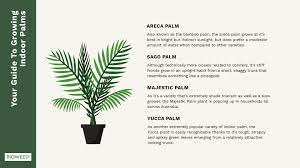
Introduction to Palmera Plant
The Palmera plant is one of the most popular indoor palms for creating a fresh, tropical atmosphere inside homes and offices. Known for its elegant, feather-like fronds and upright growth pattern, it brings a calming natural aesthetic to interior spaces. Many plant enthusiasts choose the Palmera plant because it is visually appealing, adaptable to indoor conditions, and capable of improving the overall ambiance of a room. It is especially favored in modern home décor where greenery plays a key role in softening minimalist spaces.
Beyond its beauty, the Palmera plant is also valued for its ability to support a healthier indoor environment. It is commonly associated with air-purifying qualities and humidity regulation, making it a practical addition to living rooms, bedrooms, and workspaces. When placed correctly and cared for properly, it becomes a long-lasting indoor companion that enhances both visual appeal and comfort. Its slow but steady growth makes it ideal for plant lovers who prefer low-maintenance greenery with lasting impact.
Botanical Identity and Natural Habitat
The Palmera plant is commonly associated with the Areca Palm, scientifically known as Chrysalidocarpus lutescens. It belongs to the Arecaceae family, which includes many tropical palm species found across warm and humid regions. In its natural habitat, it grows in tropical and subtropical climates where it receives filtered sunlight and consistent moisture. Understanding its botanical background helps explain why it thrives best in conditions that mimic a rainforest-like environment.
In the wild, this plant grows in clusters and can reach impressive heights, forming part of dense tropical landscapes. Indoors, however, its growth remains more controlled and manageable, making it suitable for decorative purposes. The Palmera plant is naturally adapted to humidity and indirect light, which is why it performs well in indoor environments when those conditions are maintained. Its origin also explains its sensitivity to harsh sunlight and dry air, both of which can negatively affect its health.
Light Requirements for Healthy Growth
:max_bytes(150000):strip_icc()/grow-indoor-palm-trees-1902902-HERO-d97dfc6461034299b0f456d3330be438.jpg)
Proper lighting is one of the most important factors in maintaining a healthy Palmera plant. It thrives best in bright, indirect sunlight, where it can absorb enough energy for growth without being exposed to direct sun rays. Direct sunlight can scorch its delicate fronds, leading to brown tips and faded leaves. Indoor placement near filtered light sources, such as sheer-curtained windows, is ideal for maintaining vibrant foliage and steady development.
While the Palmera plant can tolerate moderate shade, insufficient light may slow down its growth and reduce its overall density. In low-light environments, the plant may appear weak or leggy, losing its natural fullness. To ensure balanced growth, it is important to rotate the plant occasionally so all sides receive equal light exposure. This simple practice helps maintain symmetry and encourages uniform leaf development, enhancing its decorative appearance over time.
Watering and Soil Needs
Watering the Palmera plant requires balance and consistency, as both overwatering and underwatering can cause damage. The ideal approach is to keep the soil slightly moist but never soggy. It is generally recommended to water the plant when the top layer of soil begins to feel dry. During warmer months, it may require more frequent watering, while in cooler seasons, the frequency should be reduced to prevent root-related issues.
The soil used for the Palmera plant should have excellent drainage to avoid water retention around the roots. A well-aerated potting mix enriched with organic matter works best for healthy growth. Poor drainage can lead to root rot, which is one of the most common problems affecting indoor palms. Using pots with drainage holes is equally important, as it allows excess water to escape and keeps the root system healthy and active.
Temperature and Humidity Control
The Palmera plant prefers a warm and stable environment, ideally within a temperature range that mimics tropical conditions. Sudden temperature changes or exposure to cold drafts can stress the plant and negatively affect its growth. Keeping it in a consistent indoor environment ensures that its foliage remains healthy and its growth pattern remains steady throughout the year.
Humidity is another critical factor in maintaining the plant’s health. Since the Palmera plant originates from humid tropical regions, it thrives in environments with moderate to high humidity levels. Dry indoor air, especially during winter or in air-conditioned rooms, can lead to browning leaf tips. Regular misting, using a humidity tray, or placing the plant near other greenery can help maintain the moisture levels it needs for optimal growth.
Fertilization and Growth Maintenance
Fertilizing the Palmera plant is essential for encouraging strong and healthy growth. A balanced liquid fertilizer applied during the growing season helps supply essential nutrients that support leaf development and overall plant vitality. Over-fertilizing should be avoided, as it can lead to salt buildup in the soil and damage the root system. A moderate feeding schedule ensures the plant remains healthy without being overstimulated.
Routine maintenance also plays an important role in keeping the plant attractive and vibrant. Removing yellow or damaged fronds helps redirect energy toward new growth. Cleaning the leaves occasionally to remove dust improves the plant’s ability to absorb light efficiently. With proper care and attention, the Palmera plant can maintain its lush appearance for many years, becoming a long-term decorative feature in any indoor space.
Common Problems and Pest Management
Like many indoor plants, the Palmera plant can occasionally face issues such as pest infestations or environmental stress. Common pests include spider mites, mealybugs, and scale insects, which tend to appear in dry conditions or poorly maintained environments. Regular inspection of the leaves, especially the undersides, helps in early detection and prevents the problem from spreading further.
Leaf discoloration, such as yellowing or browning, is often a sign of improper watering, low humidity, or insufficient light. Addressing these environmental factors usually resolves the issue without the need for chemical treatments. Maintaining cleanliness around the plant and ensuring proper airflow also reduces the risk of pests and diseases, keeping the Palmera plant strong and healthy in the long term.
Propagation and Repotting Guide
Propagating the Palmera plant is typically done through division, where healthy offshoots are separated from the main plant and replanted. This method allows gardeners to grow new plants while maintaining the genetic quality of the parent plant. Proper care must be taken to ensure that each division has a strong root system to support independent growth. With the right conditions, new plants can establish themselves successfully and grow steadily.
Repotting is another important aspect of long-term plant care. As the Palmera plant grows, it may outgrow its container, leading to restricted root development. Repotting it into a slightly larger container with fresh soil ensures continued growth and nutrient availability. Signs that repotting is needed include roots emerging from drainage holes or slowed growth despite proper care. Regular repotting supports healthy root expansion and long-term plant stability.
Styling Palmera Plant Indoors
The Palmera plant is widely used in interior design due to its elegant structure and tropical appearance. It works well as a focal point in living rooms, hallways, and office corners, where its height and foliage add natural beauty. When paired with decorative pots and stands, it enhances the visual appeal of any space and creates a refreshing indoor atmosphere.
Interior designers often combine the Palmera plant with other greenery to create layered plant arrangements. Mixing different leaf shapes and sizes adds depth and visual interest to indoor spaces. Whether placed alone or as part of a plant collection, it contributes to a calm and balanced environment. Its versatility makes it suitable for both modern and traditional interior styles.
Frequently Asked Questions
The Palmera plant is often surrounded by common questions regarding its care and suitability for indoor environments. One of the most frequently asked questions is whether it is suitable for indoor or outdoor use. While it can grow outdoors in tropical climates, it is primarily grown indoors in most regions due to its sensitivity to temperature changes and direct sunlight exposure.
Other common questions include its watering needs, growth speed, and maintenance level. In general, the Palmera plant is considered moderately easy to care for, making it suitable for beginners as well as experienced plant enthusiasts. It grows slowly but steadily, requiring consistent care rather than intensive maintenance. Below are some quick answers to common questions: it prefers indirect light, moderate watering, high humidity, and occasional fertilization for best results.
Conclusion
The Palmera plant is a beautiful and practical indoor palm that enhances any living space with its tropical charm and elegant structure. Its ability to adapt to indoor conditions, combined with its air-purifying qualities and low-maintenance nature, makes it a popular choice for home and office décor. With proper attention to light, water, humidity, and soil conditions, it can thrive for many years.
By understanding its natural requirements and applying consistent care practices, anyone can successfully grow a healthy Palmera plant. Whether used as a decorative centerpiece or part of a larger indoor garden, it brings freshness, balance, and natural beauty into any environment.
You may also read: Palmera Camarillo – New Luxury Homes by Williams Homes in Camarillo, California