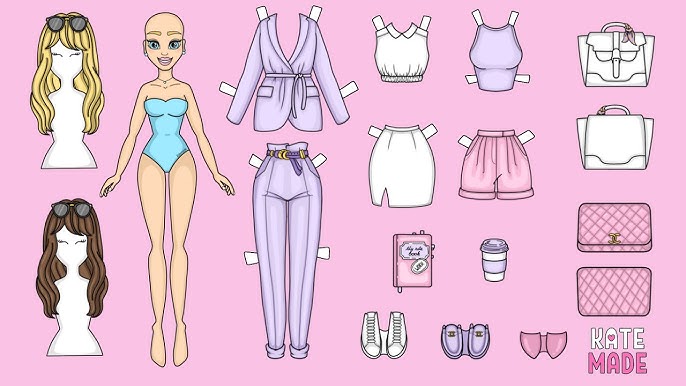
Paper dolls are one of those crafts that never really go out of style. A good paper doll printable can turn a quiet afternoon into a full creative session—cutting, colouring, mixing outfits, and inventing stories. Whether you’re a parent looking for screen-free play, a teacher planning an art activity, or an adult who loves nostalgic crafts, paper dolls are simple, affordable, and genuinely engaging.
This updated guide is designed to help you get better results from any paper doll printable you download. You’ll learn how to choose the right templates, print them cleanly, cut them safely, and make them last longer. You’ll also find ideas for outfits, themed sets, storage, and educational uses—so your printables feel like a proper craft project, not a one-minute download.
What a paper doll printable is and why it still works today
A paper doll printables is a downloadable template (often PDF or image format) that includes a character doll and matching clothing or accessories. You print the pages, cut out the doll and outfits, then dress the doll by folding the tabs or using a simple method like reusable adhesive. The appeal is instant: it’s creative, hands-on, and you can create dozens of different looks from one set.
Paper dolls work so well because they combine multiple activities in one. Kids practise fine motor skills with cutting and folding, learn visual decision-making while matching colours and patterns, and build language skills through storytelling. Adults enjoy them as relaxing “low-pressure art,” especially when templates include colouring-page versions. The best part is that you can tailor the experience—simple sets for younger children, or detailed wardrobe sets for older kids, collectors, and craft lovers.
Choosing the best paper doll printable for your needs
Not every template is built for the same purpose, so it helps to pick the right style from the start. If you’re crafting with young children, look for larger pieces, clear outlines, and fewer tiny accessories. A “cute” or simplified character is usually easier to cut and less frustrating, especially if you’re working with small hands or classroom groups.
If you’re crafting for older children or adults, you can choose more detailed designs with layered outfits, themed wardrobes, or colouring versions. Many people also like sets that include more than one doll body type or hairstyle, because it makes the activity feel more personal and reusable. When selecting any paper doll printable, check whether it includes: a colour version, a black-and-white version, multiple outfits, and clear tabs or alternate attachment methods.
How to print paper doll templates for clean, sharp results
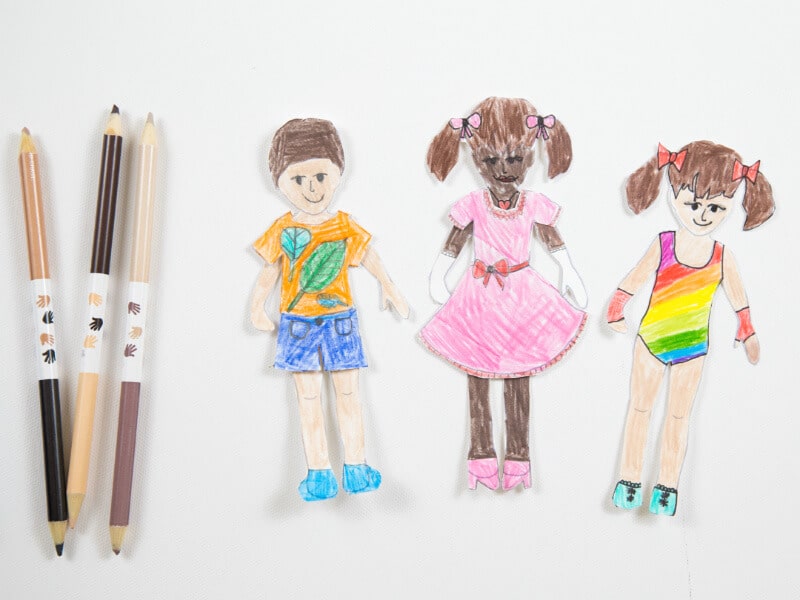
Printing quality is one of the biggest differences between a “meh” craft session and a really satisfying one. For most paper doll printable files, a standard inkjet or laser printer is fine, but you’ll get the best results if you set your printer to a higher quality mode. If your printable looks blurry, check that it’s being printed at 100% scale (not “fit to page”), especially if the clothes need to align neatly on the doll.
Paper choice matters too. Regular copier paper works, but it tears easily and bends at tabs. For better durability, try 120–160gsm paper or lightweight cardstock. If you want templates that stand up to repeat play, print the doll body on thicker cardstock and the outfits on slightly lighter paper so the tabs fold without cracking. A simple upgrade like this can make your paper doll printable look more professional and last much longer.
Cutting safely and neatly without ruining the tabs
Cutting is where many people get frustrated, so set yourself up for success. Use small scissors for detail work and keep a separate pair for paper only (it keeps blades sharper). If the template has dotted cut lines, follow those carefully—clothes often fit best when you cut the dotted guide instead of the heavier outline. A slow, steady approach reduces jagged edges and helps the clothing sit properly.
For younger children, pre-cut the smallest pieces and let them handle larger outfits or simple accessories. You can also reduce stress by choosing a paper doll printable that includes fewer tiny items like shoes, jewellery, or miniature handbags. If you do want those extras, consider cutting them with a craft knife on a cutting mat (adults only). Neater cutting doesn’t just look better—it makes dressing and re-dressing the doll much easier.
Making your paper dolls last longer with simple upgrades
If you want your paper doll printable to survive more than one afternoon, reinforcement is key. A quick and budget-friendly method is to glue printed pieces onto thin card before cutting. Another great option is laminating—either full pages before cutting, or individual pieces after cutting. Laminated outfits don’t tear as easily, and tabs become sturdier when folded.
If you don’t want to laminate, try clear tape over tabs before folding them down, which reduces cracking. Reusable adhesive (like a small bit of tack) can also replace tabs entirely, especially for tiny items like shoes. Storage helps too: keep the doll body in an envelope and store outfits in labelled mini zip bags (casual outfits, party outfits, seasonal outfits). These small steps turn a basic paper doll printable into a long-term craft set.
DIY custom outfits and accessories that add real value
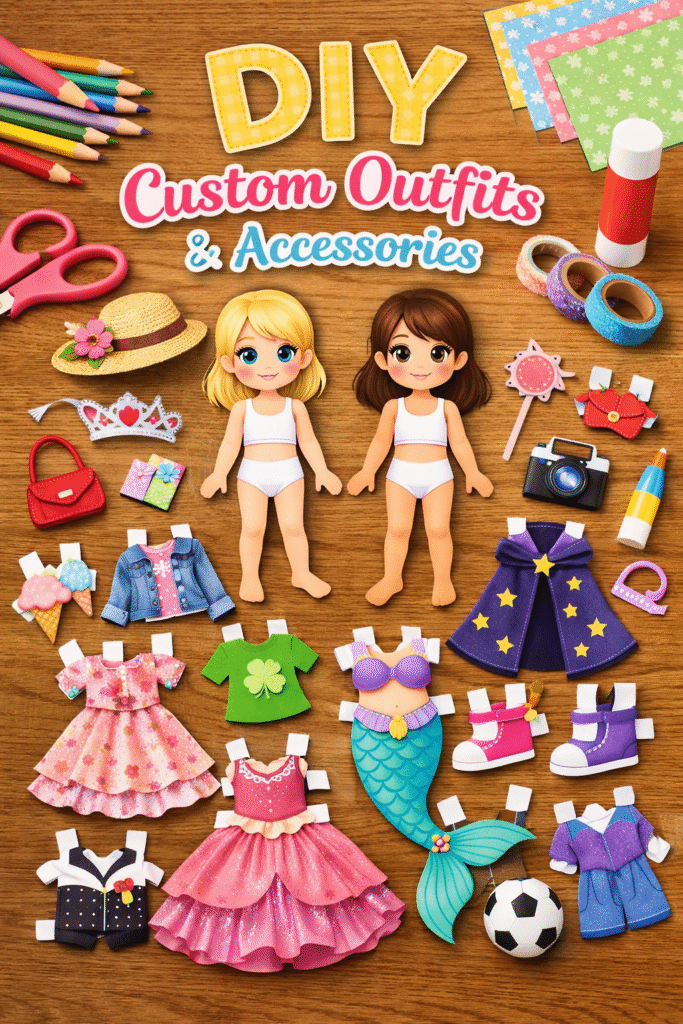
One of the best ways to make your paper doll printable stand out is to add your own wardrobe pieces. You don’t need advanced art skills—start by tracing a simple top, skirt, or jacket from an existing outfit and then change the shape slightly. Add patterns with coloured pencils, felt tips, or even scraps of patterned paper. Kids love making “limited edition” outfits, and adults often enjoy the design side even more than the cutting.
Accessories are where creativity really shines. You can add handbags, hats, scarves, or costume pieces like wings, crowns, or sports gear. If you’re creating outfits for a themed project (like seasons, careers, or celebrations), make a small capsule wardrobe with 6–10 pieces that mix and match. This approach improves the user experience because your paper doll printable becomes a full “set” rather than a single page of outfits.
Themed paper doll printable ideas people actually search for
Search trends show that people often want themed templates rather than generic dolls. Popular themes include princess sets, fantasy outfits, seasonal wardrobes (Halloween, winter, summer holidays), and “everyday fashion” sets. Another strong area is character-inspired designs—without needing to copy any trademarked characters, you can create sets inspired by general styles like “magical school uniforms,” “space explorer,” or “retro 90s.”
If you’re building content around this keyword, structure your article so each theme is easy to find. For example: a section for “cute everyday outfits,” another for “costumes and fantasy,” and another for “colouring page versions.” People searching paper doll printable often want quick options, so presenting themes clearly helps readers pick what fits their situation, and it improves your on-page SEO through natural related terms.
Educational benefits for kids and practical uses in classrooms
Paper dolls are more than entertainment—they’re a learning tool. Cutting and folding build fine motor control and hand strength, which supports early writing development. Matching outfits builds pattern recognition and basic design thinking. Storytelling with dolls supports language development, social-emotional skills, and role-play. A paper doll printable can also be used in gentle confidence-building activities, such as letting children “design” outfits that represent mood, weather, or daily routines.
In classrooms, paper dolls are perfect for art lessons, literacy prompts, and topic-based projects. Teachers can use themed sets to match curriculum topics: “Victorian clothing” for history themes, “community helpers” for PSHE topics, or “seasonal changes” for early years learning. Because they’re low cost and printable, a paper doll printable is especially useful when you need a flexible activity that works for mixed abilities and different learning speeds.
Free vs paid printables and how to use them responsibly
Free printables are great, but quality varies. Some free templates are simple and perfect for quick play, while others are poorly formatted or low resolution. Paid templates often offer more outfits, clearer files, multiple versions (colour and black-and-white), and better alignment for tabs. If you’re saving time or planning an activity for a group, premium sets can be worth it because they reduce frustration and print reliably.
It’s also important to respect usage rules. Many creators allow personal use and classroom use, but not commercial resale. When you download a paper doll printable, check for terms such as “personal use only” or “educational use permitted.” If you’re publishing a website article, avoid uploading someone else’s templates unless you have permission. Instead, explain how to choose templates, link responsibly, and add original tips and DIY ideas—this keeps your content helpful and plagiarism-free.
How to organise a paper doll printable collection at home
A little organisation makes paper dolls much more enjoyable, especially if you’re collecting multiple sets. Keep each doll body and its wardrobe together, and label by theme or difficulty. A simple folder system works well: one folder for “easy sets,” one for “colouring sets,” one for “seasonal sets,” and one for “advanced detailed outfits.” This helps you quickly pick the right activity for a child’s age or your own time.
For physical storage, envelopes and small plastic sleeves are ideal. You can also use a binder with clear pockets and store outfits flat, which prevents bending and keeps accessories from disappearing. If you’re using multiple paper doll printable templates across the year, storage becomes part of the value—people come back to paper dolls when they’re easy to find and ready to use.
Conclusion
A well-chosen paper doll printable is one of the simplest ways to create a fun, creative, and genuinely useful activity at home or in a classroom. With the right printing settings, better paper choice, and a few durability upgrades, paper dolls can become a reusable craft set rather than a one-time cut-and-throw project. Add DIY outfits, explore themes, and use storytelling to make the activity feel fresh every time.
If your goal is to rank on Google for this topic, the key is usefulness: clear how-to guidance, practical tips, and a structure that matches what searchers actually want. This updated version gives readers real steps and real ideas—exactly the kind of helpful content Google is rewarding after recent updates.
FAQs
What paper is best for printing paper dolls?
For most templates, 120–160gsm paper gives a strong balance between durability and foldable tabs. If you want the doll body to last longer, print the doll on lightweight cardstock and the outfits on slightly lighter paper so they fold neatly.
Should I print a paper doll printable as “fit to page”?
Usually no. Print at 100% scale to keep clothing pieces aligned with the doll body. “Fit to page” can slightly shrink the template, making outfits too small or tabs misaligned.
How can I stop tabs from tearing?
Reinforce tabs with clear tape before folding, or laminate the page before cutting. You can also skip tabs completely and use small bits of reusable adhesive for outfits and accessories.
Are paper doll printables suitable for toddlers?
Toddlers can enjoy paper dolls with supervision, but cutting should be done by an adult. Choose simple templates with large pieces and avoid tiny shoes or accessories that could be a choking risk.
Can teachers use paper doll printables in classrooms?
Many templates allow classroom use, but always check the creator’s terms. If unsure, use templates explicitly marked for educational use or create your own basic designs for classroom activities.
What’s the difference between colour and black-and-white templates?
Colour templates are ready to cut and play immediately. Black-and-white templates work as colouring pages, which adds an extra creative step and often keeps children engaged for longer.
You may also read: Benefits of a Pergola with Polycarbonate Roof