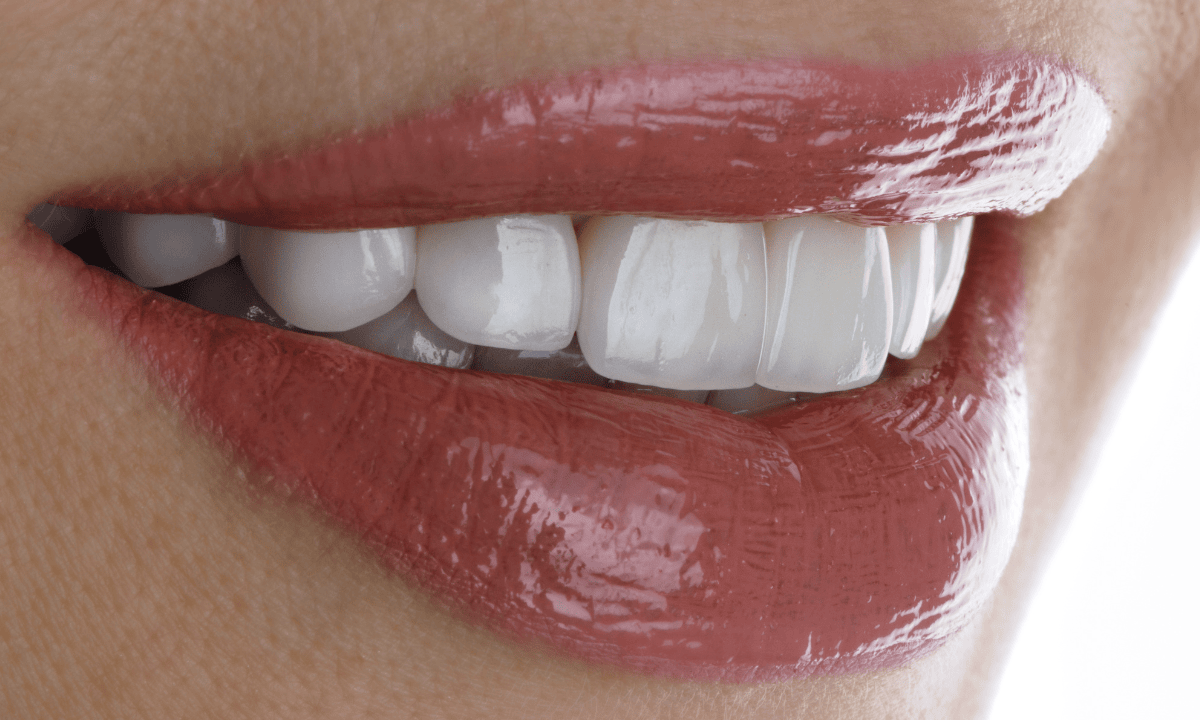
A beautiful smile isn’t about teeth looking good after treatment. It’s also how well they retain their color, shape and function through the years. Dental veneers can repair chipped edges, uneven shapes, gaps and stubborn discoloration, but the material you select can impact maintenance requirements and long term results.
When you’re looking at veneers in Singapore, it’s worth considering the pros and cons of porcelain versus composite resin. Both can improve the appearance of your teeth, but they vary in their durability, stain resistance, upfront cost and the need for repairs. If you want a smile that looks natural ten years from now, knowing the differences will help you make a better informed decision with your dentist.
How Long Do Veneers Last?
Veneers are wafer-thin shells that are glued to the front surfaces of teeth. How long it lasts depends on the material, bond quality, your bite, oral hygiene and daily habits. No type can be guaranteed to look perfect for a full ten years, and either may need professional upkeep.
A comparison of ceramic vs direct composite veneers has shown ceramic restorations to have better long-term survival in the clinical setting studied. However, outcomes vary from person to person, so published averages should guide expectations rather than be a personal guarantee.
Porcelain Veneers: Designed For Long-Term Esthetics
Porcelain veneers are thin shells of ceramic that are custom made for each individual patient. They are typically made outside the mouth by a dental laboratory and then bonded to the prepared teeth by a dentist. They reflect light on their surface that makes it very similar to natural enamel and the material is resistant to many sources of staining.
Porcelain veneers with proper care and proper case selection can last 10 to 15 years or more. They are a consideration for those who value long term cosmetic stability because of their color retention and surface appearance.
But porcelain is not indestructable. Excessive biting forces, teeth grinding, trauma or problems around the veneer margins can cause chips, fractures, debonding or decay of the underlying tooth. Repair may be more complicated than with composite resin too.
Composite Veneers: More Flexible and Easier to Repair
Composite veneers are made from a tooth-coloured resin that the dentist molds straight onto the tooth. This can often be done in a single appointment and may involve less enamel removal than traditional porcelain treatment depending on the individual case.
Typically, composite veneers have a shorter lifespan (around 5-7 years) but they can last longer with proper maintenance. Resin stains and loses its polish more easily than porcelain, especially with frequent exposure to coffee, tea and other staining substances.
One of the benefits is repairability. A dentist says small chips and surface wear can be polished, reshaped or added to with resin without replacing the whole veneer. This versatility can make composite appropriate for small repairs or patients who desire a lower initial investment.
Porcelain vs Composite: What Will Count in 10 Years?
When comparing veneers, don’t just look at the appearance after treatment. Consider the durability of each material, the level of maintenance required, and its compatibility with your natural teeth and bite.
Longevity: Porcelain usually lasts 10 to 15 years with good care, but composite often needs repair, refinishing or replacement sooner.
Stain Resistance: Porcelain is generally more resistant to surface stains. Composite resin needs to be polished from time to time to keep its color and gloss.
Natural looking: Both can look convincing when well designed. The porcelain provides good translucency and color stability, but the composite is very dependent on the dentist’s sculpting and polishing technique.
Upfront cost. Composite is usually cheaper upfront. Porcelain is more expensive because it’s made in a lab and there are additional clinical steps.
Repairability: Composite is generally easier to repair on-site. A damaged porcelain veneer may need more complex repair or replacement.
Tooth preparation: Composite may conserve more natural tooth structure in selected cases. Porcelain treatments typically require the irreversible shaving off of a small amount of enamel.
The best material will be determined by your teeth’s condition, your cosmetic goals, and the degree of preparation required. These are things that a dentist should consider before recommending treatment.
Are Veneers Still Good After 10 Years?
It’s not only the materials you choose that will determine if your results last. Even porcelain veneers can lose their appeal if the gums around them become inflamed, the teeth underneath decay, or the veneers are subjected to excessive force. Composite veneers can look good too if they are well maintained by patients and they come for regular reviews.
Develop Habits to Protect Your Veneers
Brush your teeth twice a day with fluoride toothpaste and clean between your teeth daily. Keep up with dental exams and cleanings as recommended. These habits help protect the natural teeth and gum tissue that surround the veneers that are still susceptible to decay and gum disease.
Don’t bite fingernails, chew ice, or use your front teeth to open packages. If you grind or clench your teeth, ask your dentist if a custom nite guard would help reduce excessive forces. Mouthguards are also recommended for contact sports.
Remember that conventional whitening products will not change the color of existing porcelain or composite veneers. If you are going to bleach your natural teeth, talk to your dentist about the order in which to do this before you choose a final veneer shade.
Cost vs Long Term Value Singapore
The first price is just one part of the decision. Composite veneers are usually cheaper upfront and porcelain veneers may need a bigger budget initially. Actual fees vary by clinic, material, number of teeth treated and complexity of your case.
Request an itemized treatment plan so we can compare apples with apples. Check the quote for consultation, imaging, temporary restorations as needed, lab work, bonding, and follow-up appointments. Also ask what repairs or replacement might involve if a veneer chips or becomes unsuitable further down the line.
A lower initial cost doesn’t necessarily mean a lower lifetime cost. Composite veneers require more frequent polishing and more frequent repairs or replacement, and those costs can add up. Porcelain, however, is not necessarily the correct investment for every patient, particularly when you have smaller cosmetic concerns or when a more conservative course of treatment can obtain the desired result.
Selecting the Right Veneer for Your Smile
Before you decide on one material or the other, have your dentist look at your enamel, gum health, bite and current restorations. First, get rid of active decay and gum disease. Veneers are not suitable for teeth with extensive structural damage and other treatment options may be better suited for severe misalignment or bite problems.
Ask if a diagnostic mock-up can help you preview the proposed shape and proportions. Talk about how much enamel would need to be taken away, whether the procedure is reversible and what maintenance is likely to be needed over time. These questions are especially relevant to porcelain veneers where tooth preparation is typically irreversible.
If you’re interested in cosmetic dental options then clinics like Nuffield Dental are one place to talk through your options and arrange an assessment. The important thing is to get advice that is specific to your teeth and not just pick a material because it is claimed to be durable.
Create Your Smile for 10 Years
Porcelain veneers tend to be more color stable and long lasting in the long term, whereas composite veneers can be a more cost effective and repairable solution for appropriate cases. At the same time neither can ensure a perfect look for ten years, due to the results depending on the clinical planning, oral health and everyday habits.
Instead of just thinking about what material lasts longer, think about how each option will fit your teeth, your budget and your willingness to maintain it. A judicious assessment, realistic expectations and regular dental care provide you with a stronger base for a healthy, natural-looking smile over time.