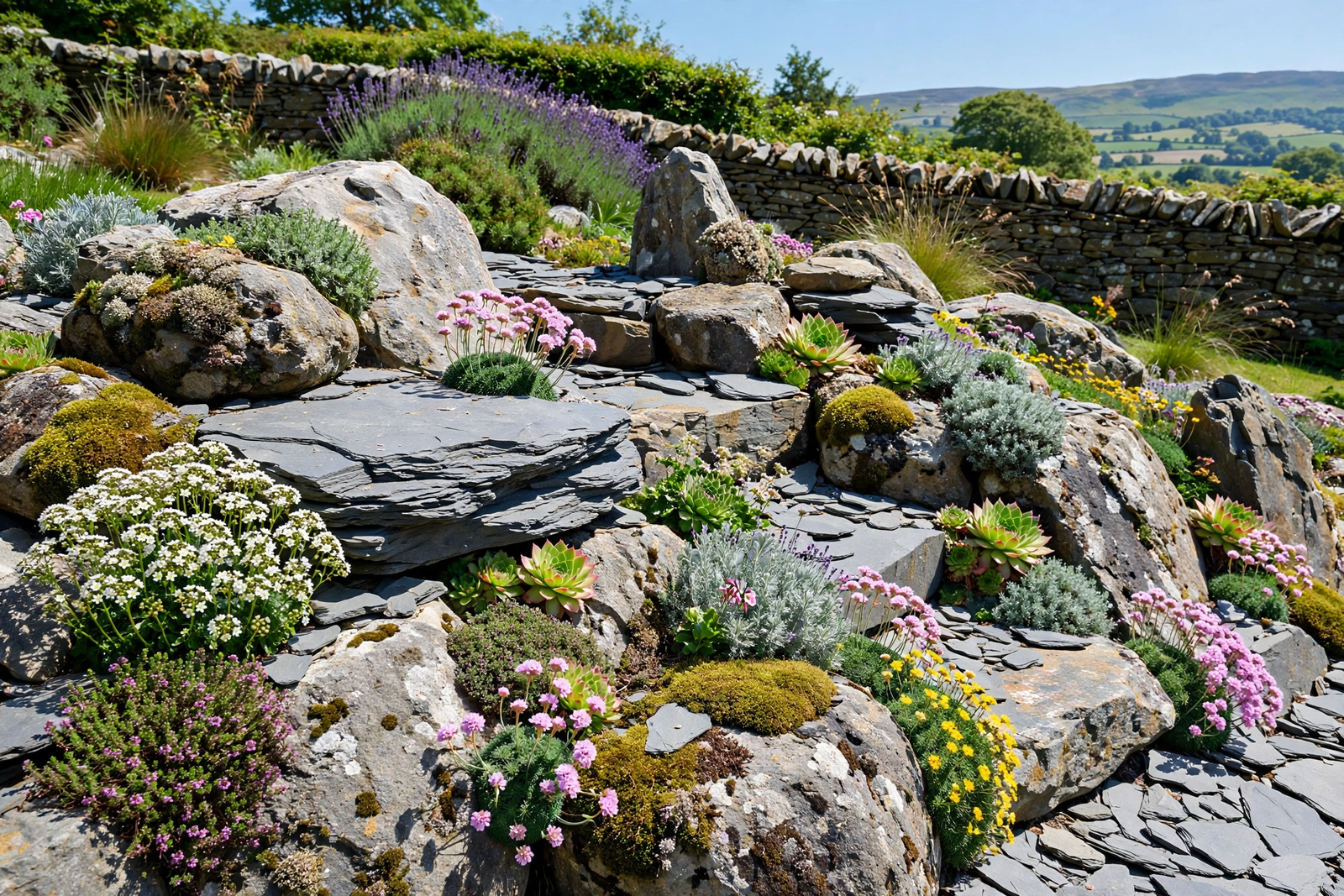
A well-built rockery can turn the dullest corner of a British garden into its most interesting feature, and rockery stones bq searches usually start with one practical question: which stones, in which sizes, at a sensible price? Decorative stones bring structure, texture and a natural look that planting alone rarely achieves, while also solving real problems such as sloping ground, poor soil patches and borders that never quite look finished. Used well, they need very little upkeep once they are in place and settled properly.
This guide covers the main types available, the uses that work best in UK gardens, how sizes and prices are usually structured, how to choose stones that suit your space, and a clear step-by-step method for building a rockery that looks natural rather than dumped. It also explains maintenance, sensible alternatives, and the mistakes that make new rockeries look artificial. Prices change with seasons and promotions, so treat every figure as a guide and always check the current product page or store shelf before committing your budget to a delivery.
Types of Decorative Stones Available
The range behind rockery stones bq listings generally falls into a few clear families, starting with large individual boulders and feature stones designed to anchor a design and create height. These statement pieces work best in threes or small groups, partly buried so they look settled into the landscape rather than perched on top of it. Welsh slate, limestone, granite and sandstone-style stones each bring different colours and textures, from blue-grey and silver through to warm buff tones that suit traditional cottage gardens and older brick houses particularly well in most regions.
Alongside the feature stones you will find smaller rockery stones, cobbles and slate chippings that fill gaps, edge planting and create the broken, natural surface alpines love to grow through. Mixing two or three related tones usually looks more convincing than using one perfectly uniform product everywhere, because real rocky outcrops are never completely even in colour or shape. When you browse, think in layers: a few large anchors first, medium stones to build the structure around them, then smaller material to finish edges, fill crevices and stop bare soil showing through between your plants.
Popular Uses in UK Gardens
The classic use is the alpine rockery itself, a raised, free-draining mound or bank where stones create ledges and pockets for alpine plants, small conifers, heathers and trailing flowers that spill prettily over warm stone in summer. The Royal Horticultural Society offers trusted advice on alpine planting and rock gardens, and its guidance is worth reading before you choose plants. Stones also retain soil on slopes, create planting levels on flat plots and give small gardens a sense of designed structure that plain lawns and fences simply cannot provide on their own.
Beyond rockeries, the same stones edge ponds and water features, define path and border edges, surround trees and shrubs as a decorative mulch, and build low retaining features where a garden changes level from one area to another. Around a pond, larger stones hide liner edges and give wildlife an easier route in and out of the water, which is a practical benefit as well as a visual one. Used consistently across several areas, they tie a garden together, making separate features feel like parts of one planned design rather than a collection of unrelated purchases added over several years.
Sizes and Honest Price Guidance
Understanding size is the part of buying rockery stones bq products that saves the most disappointment, because photographs online make almost every stone look bigger and more substantial than it really is in person. Always check the approximate dimensions and weight given for each product, and remember that natural stone varies, so the stone delivered will not match the photograph exactly in shape or colour. Medium stones suit most average gardens and typical rockery builds, while genuinely large boulders need two people, a sack truck and a clear access route from the delivery point to the garden itself.
On price, smaller bags of stones and chippings are the budget-friendly end, individual decorative stones cost more as size and weight rise, and bulk bags or palletised orders usually give the best value per stone for larger projects despite the higher upfront cost. Delivery charges can change the maths significantly on heavy materials, so compare the delivered total rather than the shelf price alone when you plan. Because ranges, pack sizes and promotions change frequently, this guide deliberately avoids pretending a single fixed price list exists; check the current listings, measure your project honestly and buy slightly more than your minimum estimate.
How to Choose the Right Stones for Your Garden
Start with the style and colours already present in your garden, because rockery stones bq choices that clash with your house brick, fencing and existing paving will look wrong no matter how carefully you arrange them later. Neutral greys and warm buff tones blend with most settings, darker slate creates contrast against pale planting and gravel, and repeating one stone type across the garden looks calmer than mixing every colour available. Stand back and consider the view from the house too, since you will see this feature in every season, including winter when planting dies back.
Practicalities deserve equal weight in your decision, quite literally, because stone is heavy, awkward to return and tiring to move twice once it has been delivered to your drive. Think about drainage, since a rockery should shed water freely rather than hold it around plant crowns, and think about access for wheelbarrows and future maintenance around the finished feature. If you are unsure between two sizes, the larger usually looks more established once planted, while smaller stones are easier to adjust, share between projects and top up later if the design grows or changes direction over time.
How to Build a Rockery Step by Step
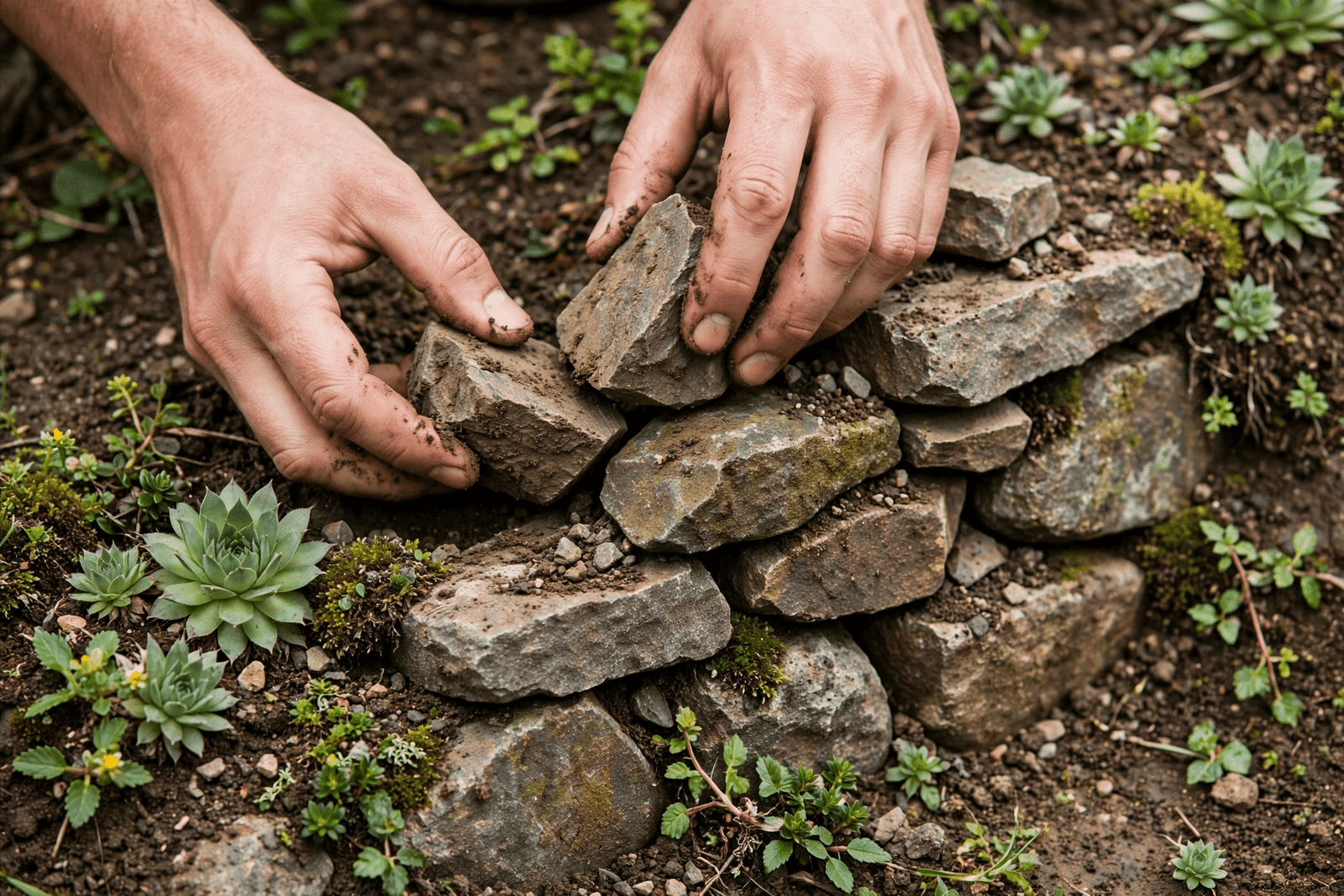
Choose a spot with reasonable sunlight and good natural drainage, then clear weeds, roots and debris thoroughly before you build anything, because perennial weeds growing through a finished rockery are miserable to remove without dismantling your work. Mark the outline, dig out the shape, and create a firm base with hardcore, gravel or sharp sand where the ground is soft, which stops stones sinking unevenly over their first winter. If you are building height, mound free-draining soil mixed with grit into a natural, uneven profile rather than a neat, symmetrical dome that will look artificial.
Place the largest stones first, burying roughly a third of each one, tilting them slightly back into the slope and angling their natural strata in the same direction so the whole feature reads as one geological outcrop. Work in odd-numbered groups, avoid straight lines and soldier rows, and step back frequently to judge the effect from a distance and from the house windows. Fill pockets with a gritty, free-draining compost mix, plant alpines and small shrubs firmly between the stones, water everything in well, then finish gaps with smaller stones or chippings for that settled, natural look.
Maintenance and Care Through the Year
One honest reason rockery stones bq projects stay popular is that the finished feature asks very little of you compared with lawns, bedding displays or delicate planting schemes nearby. Brush off fallen leaves in autumn so they do not rot into the crevices, pull weeds while they are small, and give the stones an occasional brush or rinse if algae greens them in a shady, damp spot during winter. A landscape membrane under surrounding chippings helps suppress weeds, although inside the planted rockery itself careful hand weeding works better than any membrane around roots.
Over the years, the main jobs are topping up compost in planting pockets, replacing the odd plant that fails, and checking that soil has not washed out from under stones after very heavy rain on sloping ground. Alpine plants may need dividing or trimming back when they outgrow their pockets, and a spring tidy sets the whole feature up for the growing season ahead. None of this is demanding, which is precisely the point: a rockery built properly at the start rewards you with structure and interest in every month while asking for less routine work than almost any other garden feature.
Alternatives Worth Considering
If natural rockery stone does not suit your budget, access or design, decorative aggregates and gravel create a softer, more uniform finish that works beautifully for modern gardens, pathways and low planting areas with a clean, simple character. Slate chippings alone can suggest a rocky feel at lower cost and weight, while stone-effect edging and resin products give a consistent look that some tidy, formal gardens actually prefer. Each alternative trades some authenticity and permanence for convenience, so decide honestly which quality matters most in the space you actually have rather than the garden in a photograph.
It is also worth comparing other DIY and garden retailers before you buy, because decorative stone is a competitive category and the best delivered price for a bulk bag varies considerably between suppliers and seasons. Local stone merchants and reclamation yards sometimes offer more characterful, larger pieces than national ranges, especially if you can collect them yourself with a suitable vehicle. Whichever route you choose, keep the same discipline: measure the project, understand the sizes, bury feature stones properly and plant generously. Those basics matter far more to the finished result than which logo was printed on the delivery note.
Where to Check Stock and Prices
For the current range, pack sizes and store availability, check the official B&Q website before travelling, because decorative stone lines rotate seasonally and a product shown in spring may not be stocked in every store later in the year. Heavy stone is often easier ordered for home delivery or bulk collection than loaded into a family car, and checking stock online first avoids a wasted trip with an empty boot. Take your measurements and a photograph of your garden with you in store, because comparing real stones against your actual space prevents most expensive mistakes.
While you are comparing, note the weight limits of your vehicle if you plan to collect, and split loads rather than overloading a car with stone in a single journey home. Ask about delivery thresholds and bulk discounts on larger orders, and keep the product details until your project is finished in case you need an exact top-up match later. Natural variation means a later batch may differ slightly in tone, which is another good reason to order a little extra at the start. A few minutes of checking before you buy protects both your budget and your weekend.
Conclusion
A rockery succeeds when the stones look like they belong to the place rather than sitting on top of it, and that result comes from choosing the right types and sizes, burying feature stones properly, planting generously and resisting the urge to arrange everything in neat, even rows. The ranges covered in this guide give UK gardeners large boulders, medium building stones and finishing chippings in colours that suit everything from slate-grey modern plots to warm cottage gardens. With honest measuring, a realistic delivered budget and one careful weekend of building, the feature will settle in quickly and improve every year.
After that, the maintenance is refreshingly light: a tidy in spring, weeds pulled while they are small, leaves brushed away in autumn and the occasional plant replaced or divided as the display matures over time. Few garden projects offer that ratio of lasting structure to ongoing effort, which is why rockeries keep returning to fashion with each new generation of homeowners. Plan the shape, respect the weight, plant for drainage and sunshine, and your stones will repay you with a corner of the garden that looks interesting in January as well as generous and full of life in June.
Frequently Asked Questions
What are rockery stones used for?
They are used to build alpine rockeries, edge ponds and borders, retain soil on slopes, surround planting and create natural-looking structure in gardens of every size across the UK. Large stones act as anchors and features, medium stones build the structure of the feature, and smaller stones and chippings fill gaps and finish edges neatly. Their appeal is that they are decorative and practical at the same time: they improve drainage around alpine plants, suppress bare soil and give a garden permanent shape that remains visible even in the middle of winter.
How many stones do I need for a small rockery?
A modest rockery of around two square metres typically needs a few large anchor stones, a layer of medium stones to build its shape and enough smaller material to fill the gaps between planting pockets. Exact numbers depend on stone size, how much height you build and how densely you plant, which is why measuring your marked-out area first matters so much. Buy slightly more than your estimate, because natural stone from a later batch can differ in tone, and spare stones are always useful for edging or another small project elsewhere in the garden.
Can rockery stones go around a pond?
Yes, they are one of the best materials for pond edges because they hide the liner, look natural against water and create shelves and slopes that help wildlife climb in and out safely. Choose stable, larger stones for the immediate edge so nothing can roll into the water, and avoid sharp, crumbly material that could damage a flexible liner underneath the arrangement. Rinse dusty stones before placing them near the water where practical, plant marginal plants between them, and the edge will quickly soften into one of the most attractive parts of the whole garden.
How do I stop weeds growing through a rockery?
Start clean by clearing perennial weeds and roots before you build, use a gritty, free-draining fill that weeds find less inviting, and mulch gaps with smaller stones or chippings so light cannot reach the soil surface easily. After that, little and often is the rule: pull seedlings while they are small during a quick weekly wander, rather than letting them root deeply between stones where removal disturbs your planting. A membrane helps under surrounding gravel areas, but inside a planted rockery, good preparation and regular light weeding give far better long-term results.
Should I bury rockery stones or sit them on the surface?
Bury roughly a third of each feature stone, because a stone sitting flat on the surface almost always looks placed and temporary, while a buried stone looks like part of the landscape itself. Tilting stones slightly back into a slope and keeping their natural lines running in a consistent direction strengthens that effect considerably across the whole feature. Smaller finishing stones and chippings can sit on the surface to fill gaps, but every large anchor stone in your design will look more convincing, and stay more stable, with a proper footing dug into the ground.
Are larger stones better than smaller ones?
Larger stones give a rockery instant maturity, stronger structure and a more convincing natural scale, but they cost more, weigh far more and need proper access and help to position safely in the garden. Smaller stones are cheaper, easier to move and better for filling, edging and compact gardens where a boulder would overwhelm the space completely. Most successful rockeries use both: a restrained number of large anchors for character, supported by medium and small stones that build the shape around them and let planting weave naturally through the finished feature.
Gardeners planning a complete outdoor living upgrade may also enjoy our detailed guide to garden furniture sets with a fire pit, which explains sizes, fuels and safety clearly.
For more practical UK garden ideas written for real homeowners, browse our full garden furniture sets with fire pit breakdown and plan your space with confidence.