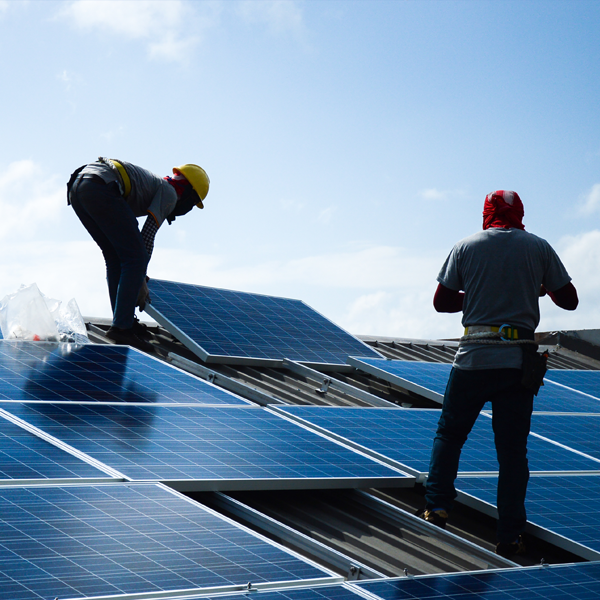
Solar energy has become one of the most reliable and sustainable ways to generate electricity for homes and businesses. Installing solar panels on rooftops is a popular choice because it efficiently uses existing space while reducing energy costs.
However, not every roof is automatically suitable for solar panel installation. Several structural, environmental, and design factors must be considered to ensure safety, efficiency, and long-term performance.
Understanding the key roof requirements for solar panel installation helps homeowners make informed decisions and ensures the system delivers optimal results.
Why Roof Suitability Matters for Solar Panels
A solar panel system is designed to last 25 to 30 years. This means the roof must be strong, stable, and capable of supporting the system over a long period.
If the roof does not meet certain requirements, it may lead to:
- Reduced energy efficiency
- Structural damage
- Increased maintenance costs
- Safety risks
Proper evaluation of the roof before installation is essential for both performance and durability.
Key Roof Requirements for Solar Panel Installation
Several important factors determine whether a roof is suitable for solar panels.
1. Structural Strength and Load Capacity
One of the most important considerations is whether the roof can handle the additional weight of solar panels.
What to Consider
- Solar panels generally add extra load along with mounting equipment
- Roofs must support dead load, wind load, and environmental stress
- Structural integrity must be assessed before installation
In many cases, a structural engineer evaluates whether reinforcement is needed.
A well-supported roof ensures long-term safety and prevents damage from weather conditions such as wind or snow.
2. Roof Condition and Age
The condition of the roof plays an important role in determining installation feasibility.
Ideal Roof Condition
- No leaks or structural damage
- Strong roofing materials (metal, asphalt shingles)
- At least 10 to 15 years of remaining lifespan
Since solar panels last decades, installing them on an old or damaged roof may require removal and reinstallation later.
Experts recommend repairing or replacing the roof before installation if needed.
3. Roof Orientation (Direction)
The direction your roof faces significantly affects how much sunlight the panels receive.
Best Orientation
- South-facing roofs receive maximum sunlight
- East- and west-facing roofs also perform well
- North-facing roofs may be less efficient
Proper orientation helps maximize energy production throughout the day.
4. Roof Tilt and Angle
The tilt or slope of the roof determines how effectively solar panels capture sunlight.
Ideal Tilt Angle
- Usually between 30 to 45 degrees for optimal performance
- Should align closely with the geographic latitude
Flat roofs can also support solar panels, but they require adjustable mounting systems to achieve the correct angle.
Incorrect tilt can reduce energy output significantly.
5. Available Roof Space
Adequate roof space is necessary to install enough panels to meet energy needs.
Space Requirements
- Around 10 to 15 square meters per kW of solar capacity
- Panels must be spaced properly for airflow and maintenance
Crowded installations can lead to overheating and reduced efficiency.
6. Shading and Sunlight Exposure
Solar panels require direct sunlight for maximum efficiency.
Factors Affecting Sunlight
- Trees
- Nearby buildings
- Roof structures like chimneys or vents
Even partial shading can reduce overall system performance.
A professional site assessment helps identify shading issues and optimize panel placement.
7. Roof Material Compatibility
Different roofing materials affect how easily solar panels can be installed.
Common Compatible Materials
- Asphalt shingles
- Metal roofs
- Concrete tiles
Some materials, such as clay tiles or wood, may require special mounting techniques.
Choosing the right mounting system ensures secure installation and prevents roof damage.
8. Mounting System and Installation Design
Solar panels require a secure mounting structure to keep them stable.
Key Considerations
- Mounting systems must withstand environmental conditions
- Proper spacing allows ventilation and maintenance
- Secure attachment prevents movement during strong winds
A well-designed mounting system ensures durability and long-term performance.
9. Local Building Codes and Safety Standards
Solar panel installations must comply with local regulations.
Safety Requirements
- Structural safety standards
- Electrical safety codes
- Fire safety access pathways
Installers must follow national and local building codes to ensure safe and legal installation.
10. Roof Ventilation and Heat Management
Proper ventilation is important to maintain roof health and system efficiency.
Why Ventilation Matters
- Prevents heat buildup
- Reduces moisture and mold risk
- Improves panel efficiency
Poor ventilation can affect both the roof structure and solar panel performance.
How Location Influences Roof Requirements
Geographic location plays a role in solar panel efficiency and installation requirements.
Climate Considerations
- Areas with high sunlight exposure generate more energy
- Regions with snow or heavy wind require stronger structures
- Local weather conditions influence panel design and placement
In Lethbridge, homeowners exploring renewable energy solutions usually assess their roof suitability before opting for solar panel installation in Lethbridge to ensure optimal energy generation and system safety.
Professional Roof Assessment Before Installation
Before installing solar panels, a professional assessment is recommended.
What Experts Evaluate
- Roof structure and strength
- Orientation and tilt
- Shading analysis
- Electrical compatibility
This evaluation helps determine whether the roof meets installation requirements and what adjustments may be needed.
Benefits of Meeting Roof Requirements
Ensuring proper roof conditions provides several advantages, including:
- Higher energy efficiency
- Longer system lifespan
- Reduced maintenance costs
- Improved safety
- Better return on investment
A well-prepared roof supports optimal solar performance for years.
Frequently Asked Questions
Can any roof support solar panels?
Not all roofs are suitable. Factors such as structural strength, orientation, and condition determine whether installation is possible.
What is the best roof direction for solar panels?
South-facing roofs generally receive the most sunlight, but east- and west-facing roofs can also be effective.
Do solar panels damage the roof?
When installed correctly, solar panels do not damage the roof. Proper mounting systems protect the structure.
How long do solar panels last?
Most solar panels last between 25 and 30 years, making roof durability an important consideration.
Do I need to replace my roof before installing solar panels?
If the roof is old or damaged, replacement may be recommended before installation to avoid future complications.
Conclusion
Roof suitability is one of the most important factors in successful solar panel installation. From structural strength and orientation to tilt, space, and shading, each element plays a role in determining system performance.
Modern solar technology allows flexibility in installation, but proper planning and professional assessment are essential. Ensuring that your roof meets all necessary requirements helps maximize energy output, improve safety, and extend the lifespan of your solar system.
By understanding these key factors, homeowners can confidently move forward with solar installation and take advantage of clean, renewable energy for years to come.