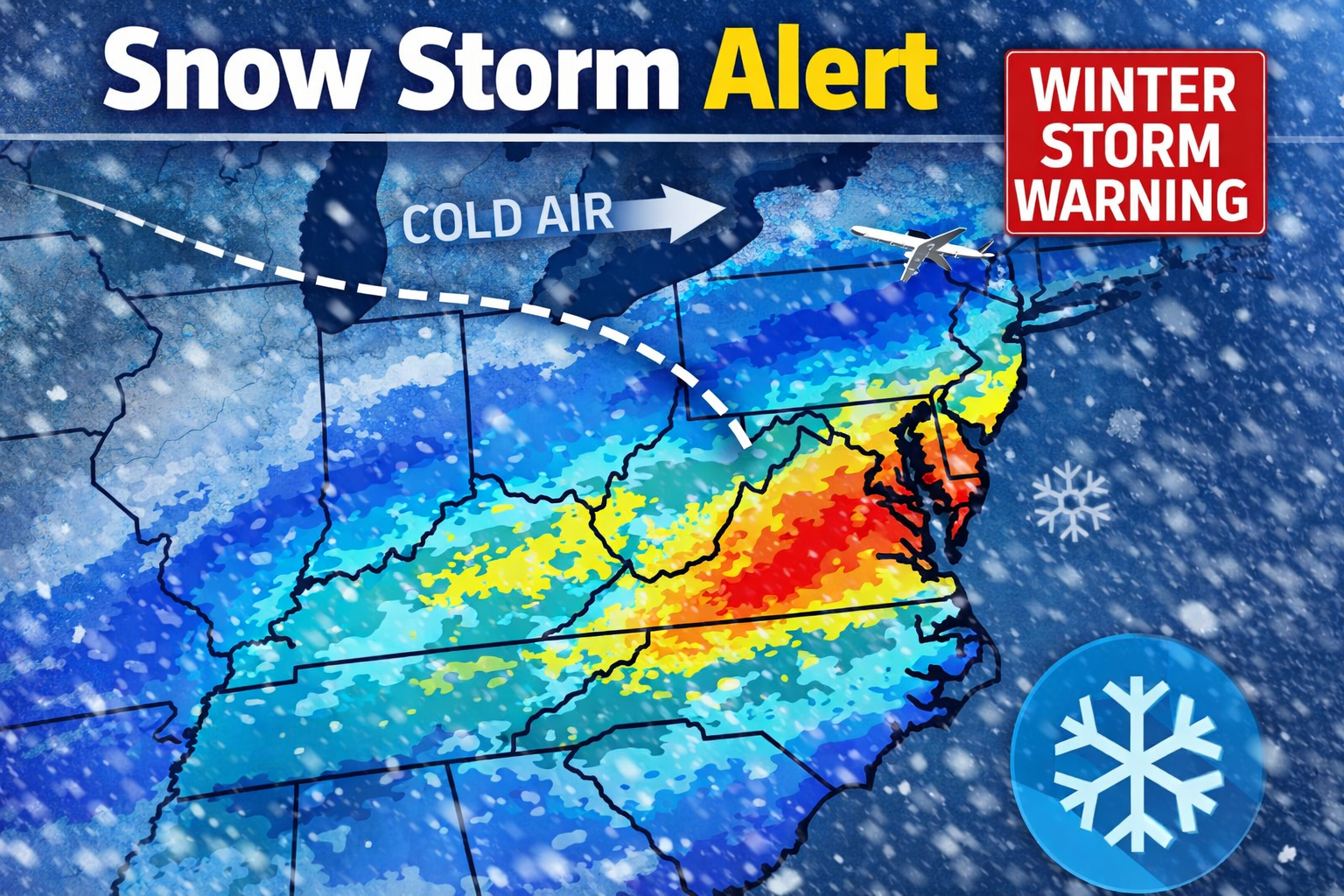
A snow storm has the potential to cause widespread disruption across the UK when cold air, moisture, and strong winds combine. While winter weather is not unusual, certain systems can develop in ways that significantly affect transport, daily routines, and public services. Understanding how these conditions form and how they impact travel can help individuals and communities prepare more effectively.
In the UK, disruption is often caused not only by snowfall itself but by ice, drifting snow, and rapidly changing temperatures. Roads can become hazardous within hours, rail services may be reduced for safety reasons, and flight schedules can be affected by wind and freezing conditions. Being informed and prepared remains the most reliable way to reduce risk during severe winter weather.
How a Snow Storm Develops in the UK
A snow storm in the UK usually develops when colder air moves southwards and meets moist Atlantic weather systems. When temperatures are low enough near the surface, precipitation falls as snow rather than rain. In marginal conditions, rain can quickly turn to sleet or snow, especially overnight or in areas of higher elevation.
Small temperature changes can have a big impact on how conditions develop locally. One region may see light snowfall, while another experiences freezing rain or ice. This variability explains why forecasts can change and why impacts are often uneven across the country. Understanding this helps explain why some areas are affected more severely than others during the same weather system.
Why Snow Storms Cause Travel Disruption
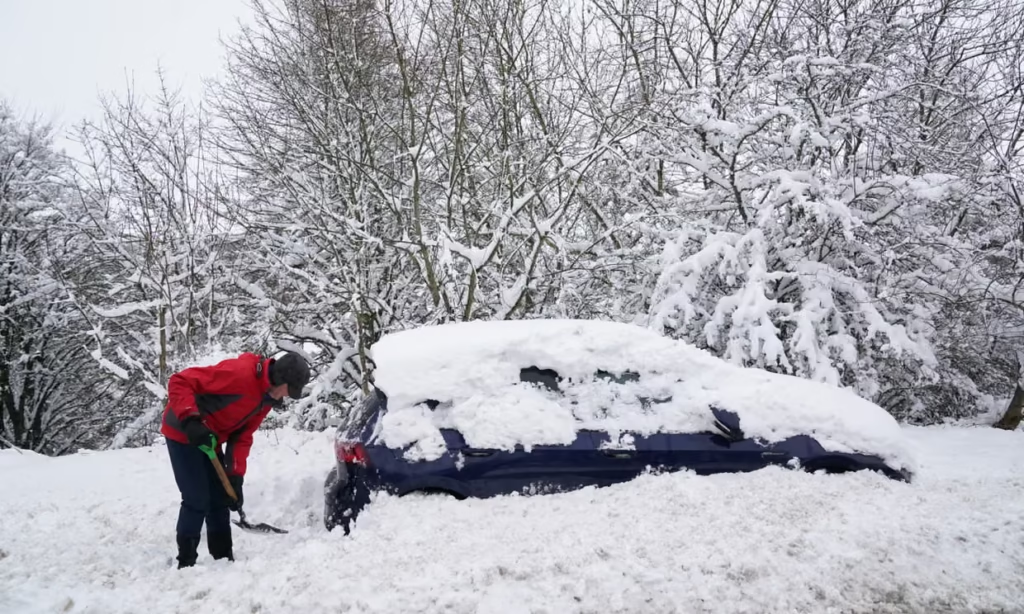
Travel disruption during a snow storm is rarely caused by snow alone. Ice, slush, and reduced visibility often create the most dangerous conditions. Roads that appear passable can become hazardous as temperatures fall and surfaces refreeze, particularly on bridges, hills, and untreated routes.
Strong winds can worsen conditions by blowing snow across roads, reducing visibility and creating drifts. Even moderate snowfall combined with wind can make driving difficult and slow down traffic across major routes. As a result, delays and temporary closures are common during severe winter weather.
Impact on Road Travel and Driving Conditions
Driving during a snow storm requires caution and preparation. Reduced grip, longer stopping distances, and unpredictable road surfaces all increase the risk of accidents. Many incidents occur at lower speeds, often at junctions or on untreated side roads where ice forms quickly.
Motorists are advised to avoid unnecessary travel during severe winter conditions. When travel is essential, planning ahead is crucial. Checking routes in advance, allowing extra time, and driving smoothly can significantly reduce risk. Sudden braking or sharp steering movements are more likely to cause loss of control on icy roads.
Rail Services and Winter Weather Challenges
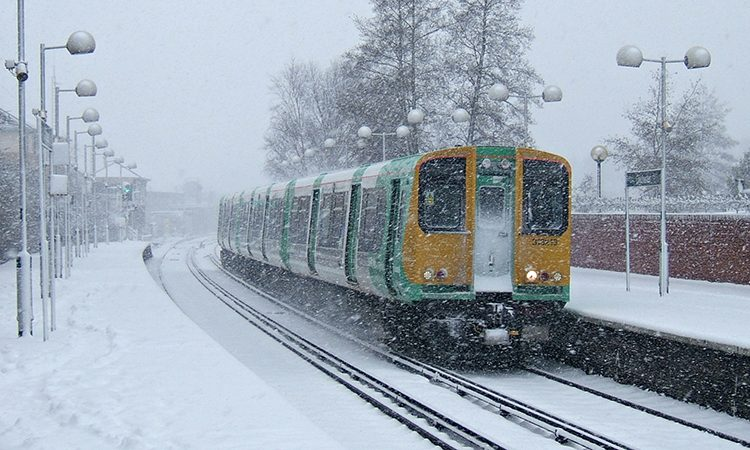
Rail networks are particularly sensitive to snow and ice. Points, which allow trains to move between tracks, can freeze and fail to operate correctly. Ice can also affect electrified rail systems, reducing power supply to trains and causing delays or cancellations.
Even when snowfall appears light, rail services may be reduced as a precaution. Slower speeds are often required to maintain safety, which can affect timetables across the network. Passengers are encouraged to check service updates before travelling and to allow extra time when winter weather is forecast.
Airport Operations During a Snow Storm
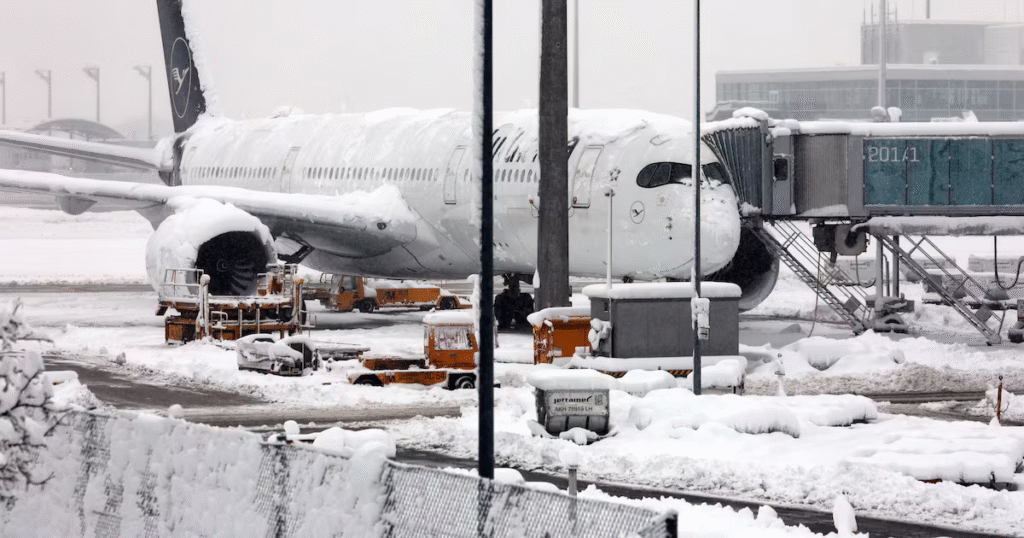
Airports operate under strict safety requirements, which means winter weather can quickly affect flight schedules. Snow, ice, strong winds, and low visibility all influence whether aircraft can take off or land safely. De-icing procedures may also cause delays, particularly during busy periods.
Passengers should monitor flight status updates closely and allow additional time to reach airports during severe weather. Disruption on the ground can have knock-on effects throughout the day, even after conditions begin to improve.
Understanding Weather Warnings and Their Importance
Weather warnings are issued to highlight the potential for disruption and risk, rather than to guarantee specific impacts everywhere. A warning level reflects the likelihood of hazardous conditions and the possible consequences for travel, infrastructure, and daily life.
During a snow storm risk period, warnings may be updated as confidence increases. This is why checking official updates regularly is important. Planning around the most severe forecast periods can help reduce exposure to dangerous conditions and unnecessary travel.
Preparing Your Home for a Snow Storm
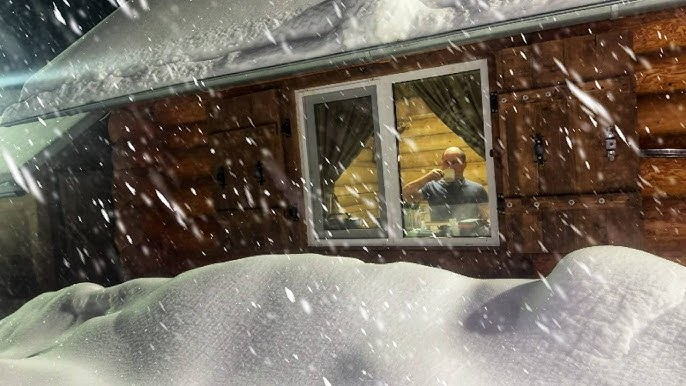
Preparation at home is just as important as travel planning. Severe winter weather can affect power supplies, heating systems, and access to essential services. Simple steps can help households remain safe and comfortable if conditions worsen.
Ensuring heating systems are working, keeping mobile devices charged, and having basic supplies available can reduce stress during prolonged cold weather. Checking in on elderly or vulnerable neighbours is also encouraged, as they may be more affected by low temperatures and isolation during snow storms.
Staying Safe Outdoors During Snow and Ice
Slips and falls are common during winter weather, particularly when ice forms on pavements and paths. Wearing appropriate footwear, taking smaller steps, and avoiding untreated areas can reduce the risk of injury. Conditions are often most dangerous early in the morning and after sunset when surfaces refreeze.
Visibility can also be reduced during snowfall, making it harder for drivers to see pedestrians and cyclists. Being visible, using reflective clothing, and avoiding unnecessary journeys can improve safety for everyone.
Why Snow Storm Forecasts Can Change Quickly
Snow storm forecasts can change because they depend on small variations in temperature, wind direction, and moisture levels. A slight shift in a weather front can move the heaviest snowfall from one region to another within a short time.
This uncertainty makes it important to treat forecasts as guidance rather than certainty. Monitoring updates and understanding that conditions may develop differently than initially predicted helps people make better decisions as the situation evolves.
Regional Differences in UK Snow Storm Impacts
Snow storm impacts often vary significantly by region. Northern England, Scotland, and higher ground areas are more likely to experience snowfall, while southern regions may see sleet or freezing rain. Coastal areas can also be affected by strong winds that increase disruption even when snow amounts are limited.
Rural communities may face additional challenges due to limited access routes and slower response times for gritting and snow clearance. Understanding local risks allows individuals to plan more effectively based on where they live and travel.
What to Do Before Travelling in a Snow Storm
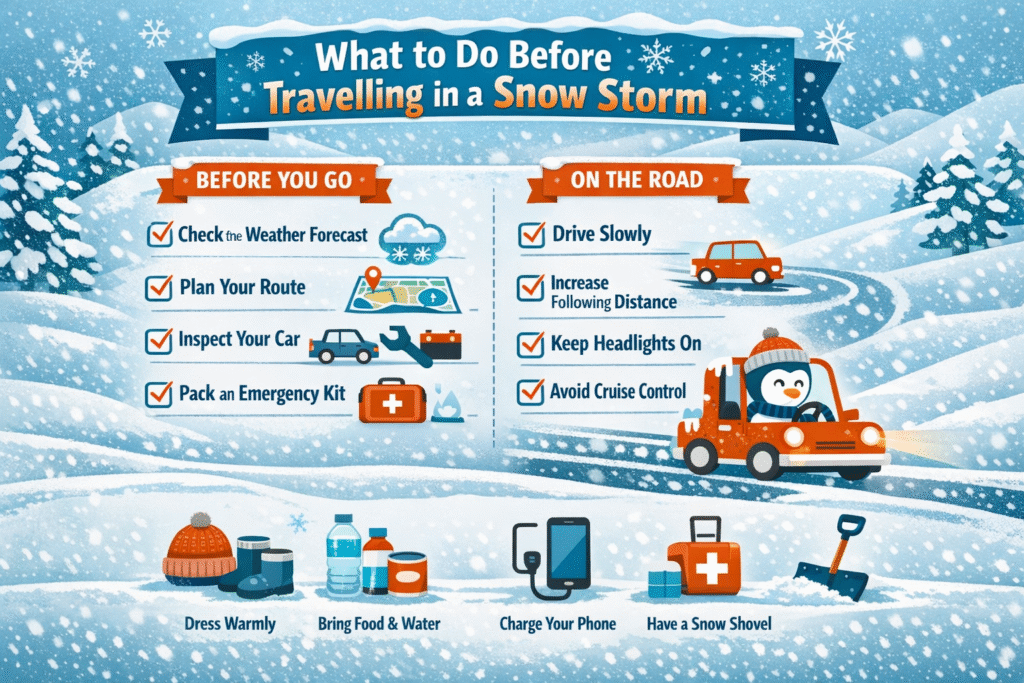
Before setting off during winter weather, checking the latest forecasts and travel updates is essential. Delaying or cancelling non-essential journeys can significantly reduce risk. When travel is unavoidable, ensuring vehicles are prepared for winter conditions can make a difference.
Carrying warm clothing, keeping fuel levels sufficient, and having a charged phone are simple but effective precautions. Letting someone know your route and expected arrival time can also provide reassurance if delays occur.
Conclusion: Staying Prepared During a Snow Storm
A snow storm can disrupt daily life across the UK, but preparation and informed decision-making greatly reduce its impact. Travel disruption, service delays, and hazardous conditions are more manageable when people understand the risks and adjust their plans accordingly.
By monitoring forecasts, understanding warnings, and taking practical steps at home and on the road, individuals can stay safer during severe winter weather. Snow storms may be unpredictable, but preparation ensures that their effects are less disruptive and recovery is quicker.
Frequently Asked Questions About Snow Storms
Snow storms occur when cold air meets moisture, allowing snow or ice to form instead of rain. The severity depends on temperature, wind, and how long the system remains over an area.
Travel disruption during a snow storm is often caused by ice and reduced visibility rather than snowfall depth alone. Even light snow can create dangerous conditions.
Weather warnings are issued to highlight increased risk and possible disruption. They help people plan and reduce exposure to hazardous conditions.
Snow storms affect different regions in different ways. Higher ground and northern areas are more likely to see snowfall, while other regions may experience ice or sleet.
Preparing in advance, limiting unnecessary travel, and staying informed are the most effective ways to reduce risk during severe winter weather.
You may also read: is a Snow Bomb Likely to Affect the UK?