Touchcric: Is It Legal, Is It Safe, and What Are the Legal Alternatives?
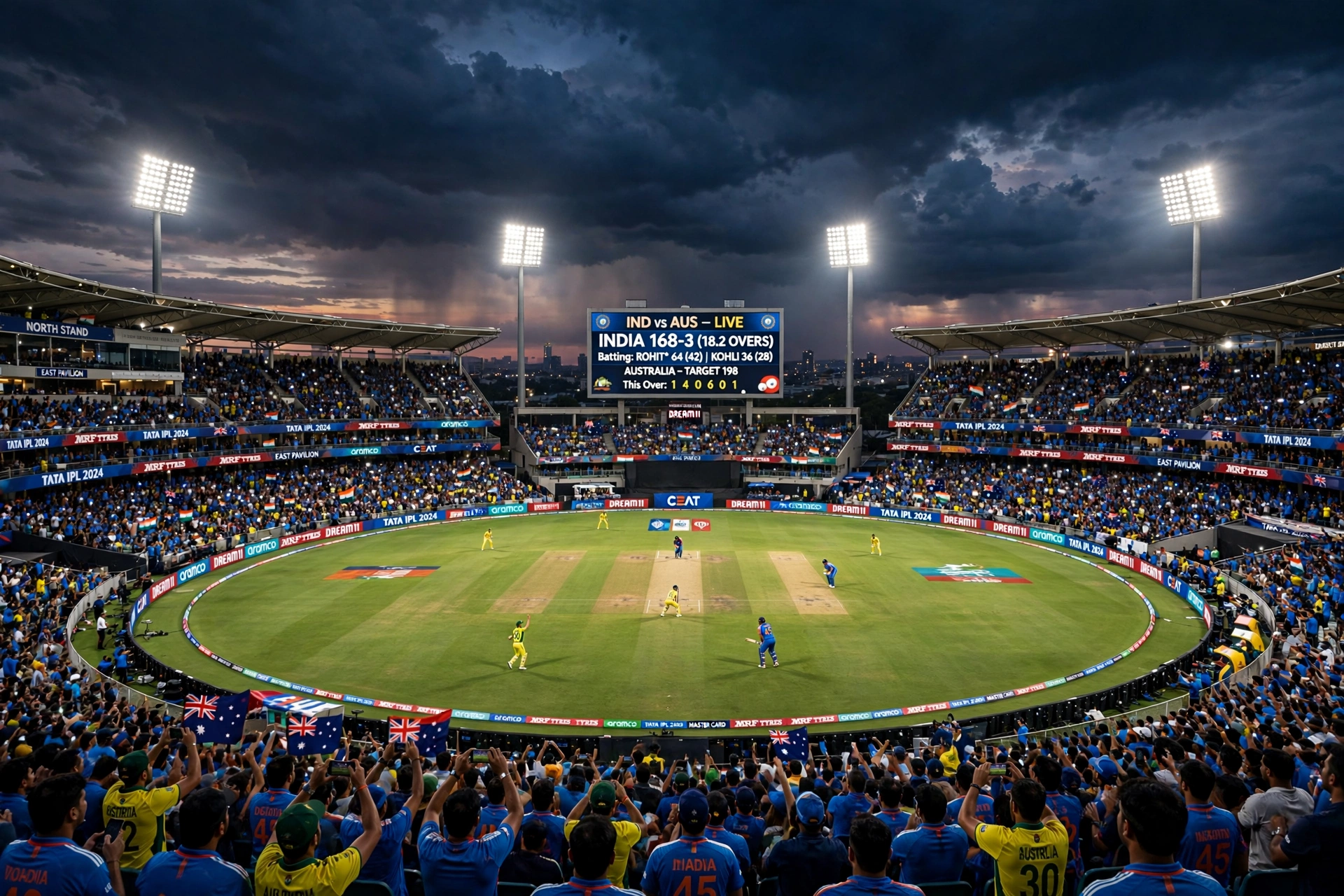
Cricket fans in the United Kingdom and around the world are always looking for a simple way to follow live matches, and that search has made Touchcric one of the most talked-about names in online cricket streaming. The promise sounds attractive: free live cricket, ball-by-ball scores, and coverage of the IPL, Test matches, ODIs and T20 games without a subscription. Yet behind that promise sits a set of serious questions about legality, safety and reliability that every fan should understand before clicking on a stream. The platform is not an official broadcaster, and the way it delivers matches places it firmly in a legal grey area that can carry real consequences for viewers.
This guide explains exactly what the platform is, how it works, whether it is legal in the UK, what risks it carries, and which licensed services offer a safe and reliable way to watch cricket instead. The aim is not to frighten anyone, but to give cricket lovers the facts they need to make an informed choice. Free streams are tempting, especially during a big series or a World Cup, but the hidden costs of an unlicensed stream can be far higher than the price of a legitimate subscription.
Understanding Touchcric
It is a free online platform that offers links to live cricket streams, along with live scores, match updates and ball-by-ball commentary for matches played around the world. Its coverage typically spans the Indian Premier League, international Test matches, one-day internationals, T20 internationals, the Cricket World Cup and various domestic leagues. Fans arrive at the site looking for a match that is not available on their usual television package, and the site presents them with a list of streaming links for that game.
It is important to understand what the platform actually is, because the distinction matters for the legal questions that follow. It does not own the broadcasting rights to the matches it lists, and it does not produce its own coverage of the games. Instead, it acts as an aggregator: it gathers and embeds streams that originate elsewhere on the internet and points visitors towards them. Many of those underlying streams are unauthorised copies of broadcasts that licensed networks have paid large sums of money to show. That structure is the reason the platform is so often described as operating in a legal grey area rather than as a straightforward, legitimate service.
The platform has also become known for its many mirror domains and copycat sites. Because unlicensed streaming sites are frequently blocked by internet providers or taken down following complaints from rights holders, new addresses appear under similar names, and it is often difficult for a visitor to know whether the page they have reached is the original site or an imitation designed to carry even more aggressive advertising or malicious software. There is no official app on the Google Play Store or the Apple App Store, which is itself a telling sign: a legitimate streaming service of any size would normally be available through those official channels.
How the Platform Works
Using the site is, on the surface, very simple, and that simplicity is a large part of its appeal. A visitor opens the website, finds the match they want from a list of live and upcoming fixtures, and clicks on a streaming link. There is usually no account to create, no payment details to enter and no subscription to manage, which removes every barrier that a licensed service places in front of its viewers. The stream then plays in the browser, often surrounded by pop-up advertisements and banner ads that fund the operation.
Behind that simple experience, however, the technical picture is much messier. Because the streams are pulled from third-party sources rather than delivered from a single controlled platform, the quality is unpredictable. A stream can freeze, buffer endlessly or drop out entirely at the most important moment of a match, and there is no customer support to contact when it does. The advertisements that surround the video are also a problem: free streaming sites are notorious for pop-ups that open new tabs, for banners that imitate system warnings, and for links that lead to downloads a visitor never asked for. A single careless click on the wrong part of the page can send a user to a completely different website.
The site also tends to change its web address over time, as domains are blocked by internet service providers or suspended after copyright complaints. Regular users therefore learn to search for a new address whenever the old one stops working, and each new address carries the same uncertainty about who is really operating it. In India, for example, court orders have led to the blocking of domains associated with the site, with the Delhi High Court directing internet providers to block access to unauthorised streaming sites during major tournaments. That pattern of blocking and reappearing is characteristic of unlicensed streaming operations worldwide.
Touchcric and the Law in the UK
The short answer is that watching cricket through the site is not a safe or clearly legal choice in the United Kingdom, and it is best understood as a copyright risk rather than a legitimate way to watch the sport. In the UK, the live broadcast of a cricket match is a copyrighted work, and the right to show it belongs to the broadcaster that has paid for the exclusive licence. When a site offers that broadcast without a licence, it is infringing the rights holder’s copyright, and using such a service to watch the match means consuming content that has been made available without permission.
The legal position for viewers is often described as a grey area, because enforcement has traditionally focused on the people who run the streaming sites rather than on individual viewers. That does not mean viewers face no risk at all. UK copyright law does allow rights holders to take action against people who access infringing streams, and in recent years there have been high-profile cases and public warnings aimed at users of illegal streaming services, particularly in football, where the Premier League has pursued blocking orders and prosecutions against suppliers of illicit streams. The direction of travel is clear: the authorities and the rights holders are taking illegal streaming more seriously, not less.
The legal framework around this issue is explained clearly on the Wikipedia page about copyright infringement, which describes how unauthorised distribution and public communication of copyrighted works can breach the law even when no money changes hands. You can read more about how copyright law treats unauthorised streaming here: Copyright infringement on Wikipedia. A VPN does not change the legal position either: hiding an internet address may make detection harder, but it does not make an unlicensed stream licensed. In some countries the penalties for accessing pirated content can include fines, and internet providers in many jurisdictions are required to block known pirate streaming domains when ordered to do so by a court.
For UK fans, the practical message is simple. If a match is available through a licensed broadcaster, that is the lawful way to watch it, and the free alternative carries a legal risk that is not worth taking for the sake of saving a subscription fee. The fact that enforcement against individual viewers has been rare does not make the activity legal, and the law can change faster than the habits of the people who rely on these sites.
The Safety Risks of Using the Platform
Beyond the legal question, there is a separate and very practical question: is the platform safe? The honest answer is that it carries meaningful risks to a visitor’s device, personal data and peace of mind. Free streaming sites make their money from advertising, and the advertising on unlicensed platforms is far less regulated than the advertising on a legitimate service. Pop-ups and redirect ads can lead to pages that try to install unwanted software, display fake virus warnings, or trick visitors into entering personal details on a phishing page that imitates a well-known brand.
Malware is the most serious of these risks. Security researchers have repeatedly found that unlicensed streaming sites are among the most common sources of malicious software, because their visitors arrive in large numbers, are often in a hurry to start watching, and are more likely to click on something they should not. A single malicious advertisement can attempt to download a harmful file, and fake “update your player” or “download our app” prompts are a classic way of getting unwanted software onto a phone or computer. Unofficial apps that claim to be the site for mobile devices carry an even greater risk, because they are not checked by Google or Apple and can request permissions that allow them to collect personal data.
There are also privacy risks. A site that operates outside the law has little reason to respect a visitor’s privacy, and unlicensed streaming pages commonly load tracking scripts from many third parties, some of which collect browsing data without clear consent. There is no privacy policy worth trusting, no regulator to complain to, and no way to know what has been collected or where it has gone. For that reason, security experts advise anyone who has visited such a site to keep their antivirus software up to date, to avoid downloading anything from it, and never to enter payment details or personal information on pages reached through its advertisements.
Legal Alternatives for Watching Cricket
The good news is that cricket fans in the UK have excellent legal options, and the range of licensed services has never been wider. Sky Sports holds the rights to a large share of international and domestic cricket shown in the UK, including England home matches, and its streaming service Now allows viewers to buy a sports pass without a long contract. TNT Sports also carries cricket coverage, including some international series, while the BBC shows highlights and selected live matches, including through its digital platforms. For fans of the Indian Premier League and other overseas competitions, licensed streaming platforms carry the rights in different territories, and a quick check of the official broadcaster list for each tournament will show the lawful option for any given country.
These services cost money, but they offer things an unlicensed stream never can: a stable high-definition picture, professional commentary, replays, highlights, expert analysis and customer support when something goes wrong. They also pay the rights fees that fund the sport itself, from grassroots cricket through to the international game. When fans watch through pirated streams, that money never reaches the teams, the players or the competitions, and over time that weakens the sport that the fans love. Choosing a legal service is therefore not only the safe choice for the viewer, but also the choice that supports cricket’s future.
How to Watch Cricket Legally and Cheaply
Watching cricket legally does not have to mean paying for an expensive year-long television package. Many fans now use a combination of short-term passes, free highlights and free-to-air coverage to follow the sport without overspending. A monthly or day pass from a streaming service can cover a single Test series or a tournament, and can then be cancelled when the cricket finishes. The BBC’s coverage, including Test Match Special on the radio and highlights online, provides a free and high-quality way to keep up with England matches. County cricket streams, often available free through county clubs, are another excellent option for fans who love the domestic game.
It is also worth checking whether a match is available through a service that is already included in an existing subscription, such as a broadband or mobile package that bundles a sports channel. Many households already pay for a service that includes cricket without realising it. For overseas tournaments, the official broadcaster’s own streaming app is usually the cheapest and most reliable route, and it is always worth checking the tournament’s official website for the list of licensed broadcasters in each country before searching for a free stream.
What to Do If You Have Used the Site
If you have used the site in the past, there is no need to panic, but there are a few sensible steps worth taking. First, run a full scan with up-to-date antivirus software on any device that visited the site, and remove anything suspicious that the scan finds. Second, clear the browser cache and check the browser’s extensions for anything unfamiliar that may have been added. Third, if any personal details or payment information were entered on a page reached through the site, consider changing the relevant passwords and monitoring bank statements for unusual activity. Finally, switch to a licensed service for future matches, so that the problem does not repeat itself.
It is also a good idea to talk to younger members of the family about the risks of free streaming sites, because children and teenagers are often the most enthusiastic users of such platforms and the least aware of the dangers. A short conversation about why the official stream is the safer choice can prevent a costly mistake, whether that mistake is a malware infection or a compromised account.
Why Free Streaming Sites Keep Appearing
Free streaming sites keep appearing because the demand for them is enormous and the barriers to setting one up are low. A single operator can embed streams from elsewhere, surround them with advertising, and earn money from every visitor, without paying anything to the rights holders. When one domain is blocked, another can be registered within hours, and the cycle begins again. Search engines and social media help these sites find new audiences, because fans searching for a free stream will click on whatever result appears first, often without checking whether it is legitimate.
Is Touchcric Free to Use?
Yes, the site is free to use in the sense that it does not charge a subscription fee or ask visitors to create a paid account. Fans can open the site and click on a streaming link without entering payment details. However, the service is not truly free, because visitors pay in other ways: through exposure to aggressive advertising, through the risk of malware and phishing, and through the legal risk of watching an unlicensed broadcast. A licensed streaming pass has a visible price, while an unlicensed stream has hidden costs that are harder to see but very real.
Is It Legal in the UK?
The site is not a licensed broadcaster, and the streams it links to are generally unauthorised copies of copyrighted broadcasts. Watching such streams in the UK sits in a legal grey area, but it is not a lawful way to watch cricket, because the rights to show the matches belong to the licensed broadcasters. Enforcement has mostly targeted the operators of streaming sites rather than individual viewers, but rights holders have the legal right to act, and the direction of enforcement in the UK has been towards stronger action against illegal streaming. The safest and lawful choice is always a licensed service.
Is Touchcric Safe for My Phone or Computer?
The site carries real safety risks, mainly because of the advertising and third-party links on and around its streams. Pop-up ads, fake download prompts and redirect pages can lead to malware or phishing pages, and unofficial apps claiming to be the site are not checked by Google or Apple and can collect personal data. Visitors should never download files from such a site, never enter personal or payment details on pages reached through its ads, and should keep antivirus software up to date. The safest option is to use a licensed streaming service instead.
Does Touchcric Have an Official App?
No, the site does not have an official app on the Google Play Store or the Apple App Store. Any app that claims to be the official app is unofficial, and installing it carries a risk, because it has not passed the security checks that the official app stores apply. Unofficial apps can request broad permissions on a phone, collect personal data, or display aggressive advertising. Fans who want to watch cricket on a mobile device should use the official app of a licensed broadcaster instead.
What Are the Best Legal Alternatives to Touchcric?
The best legal alternatives depend on where you live and which competition you want to watch. In the UK, Sky Sports and its Now streaming passes cover a large share of cricket, TNT Sports carries selected series, and the BBC offers free highlights and some live coverage. For the IPL and other overseas tournaments, the licensed broadcaster varies by country, so the tournament’s official website is the best place to check. County cricket streams are often available free through the county clubs themselves. These services provide stable, high-definition coverage with professional commentary and customer support.
Why Is the Site Blocked in Some Countries?
The site is blocked in some countries because courts and internet providers have ordered its domains to be blocked for copyright infringement. Rights holders such as broadcasters apply for blocking orders when they can show that a site is making their copyrighted broadcasts available without a licence. In India, for example, court orders have led to the blocking of its domains during major tournaments. Because the operators register new domains, the blocking is often a continuing process rather than a one-off event, which is why the site may work one week and be unavailable the next.
Conclusion
Touchcric promises free live cricket, and that promise explains its popularity, but the reality behind it is far less attractive. It is an unlicensed aggregator that links to streams it does not own the rights to show, and using it carries legal risk, security risk and the frustration of unreliable quality. In the UK, the lawful way to watch cricket is through a licensed broadcaster, and the range of legal options, from short-term streaming passes to free highlights on the BBC, has never been better. Choosing the legal route protects your devices, respects the law, and supports the sport that makes the matches worth watching in the first place. The next time a big match comes around, the smartest move is to reach for the official stream, not the free one.
For more sporting guides and explainers, take a look at our guide to rugby positions.