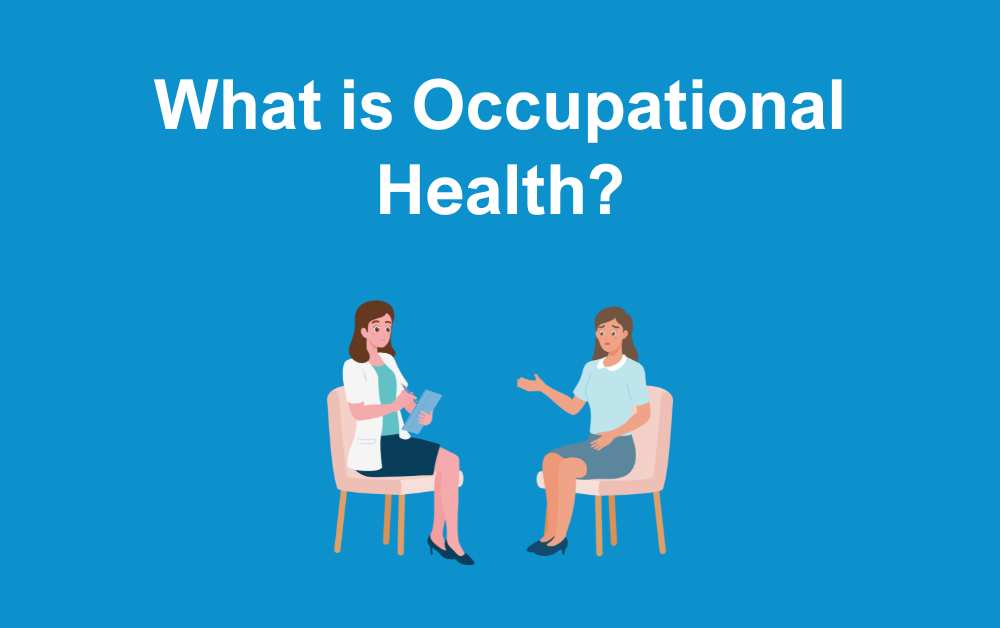
Understanding what is occupational health has become essential in the modern UK workplace, where expectations around wellbeing are constantly evolving. Occupational health focuses on the relationship between work and health, ensuring that employment supports, rather than harms, physical and mental wellbeing. It is not only about avoiding accidents but also about creating environments where people can thrive long term.
In the UK, employers are increasingly aware that healthy employees are more engaged, productive, and resilient. Occupational health helps organisations respond to challenges such as stress, long-term illness, and changing work patterns. By prioritising prevention and early support, businesses can build a culture that values people while meeting legal and ethical responsibilities.
What Is Occupational Health and How It Is Defined
To clearly explain what is occupational health, it is a specialist field of public health dedicated to promoting and maintaining the highest standards of wellbeing among workers. It considers how job roles, working conditions, and organisational culture affect health, while also examining how an individual’s health may impact their ability to work safely and effectively.
Occupational health takes a holistic approach, combining physical health, mental health, and social wellbeing. It draws on expertise from medicine, psychology, ergonomics, and health and safety. In the UK context, this integrated approach helps employees remain fit for work while supporting employers in managing health-related risks responsibly.
What Is Occupational Health and Its Importance for Employees
For employees, understanding what is occupational health means recognising the support available to protect their wellbeing at work. Occupational health services can help identify early signs of stress, musculoskeletal issues, or mental health challenges before they become more serious. This early intervention can significantly improve quality of life and long-term health outcomes.
Occupational health also empowers employees by giving them a voice in how work affects their health. Through assessments and consultations, individuals can receive recommendations for reasonable adjustments, flexible working, or additional support. This fosters trust, improves morale, and helps employees feel valued and understood within their workplace.
What Is Occupational Health and Its Value for Employers

From an employer’s perspective, what is occupational health is a strategic investment rather than a cost. Healthy employees are more productive, take fewer sick days, and are more likely to remain loyal to an organisation. Occupational health services help employers reduce absence, manage return-to-work processes, and address issues before they escalate.
In the UK, occupational health also supports compliance with employment and health and safety legislation. By using professional guidance, employers can make informed decisions that balance business needs with employee wellbeing. This approach reduces legal risks while strengthening organisational reputation and workplace culture.
What Is Occupational Health and the Services It Provides
When exploring what is occupational health, it is important to understand the range of services involved. These may include health assessments, sickness absence management, ergonomic advice, mental health support, and fitness-for-work evaluations. Each service is designed to ensure that work environments are safe, supportive, and suitable for individual needs.
In the UK, occupational health services may be provided through the NHS, private providers, or employer-funded schemes linked to health insurance. Organisations often work with providers such as Nuffield Health or AXA Health to deliver tailored support. This flexibility allows businesses of all sizes to access appropriate occupational health solutions.
What Is Occupational Health and Mental Health in the Workplace
Mental wellbeing is now a central part of what is occupational health, reflecting changing attitudes towards psychological safety at work. Stress, anxiety, and burnout are common challenges across many industries, particularly with remote and hybrid working becoming more widespread. Occupational health plays a key role in identifying and addressing these issues early.
Through mental health assessments, counselling referrals, and workplace adjustments, occupational health supports both individuals and organisations. In the UK, initiatives such as Mental Health Awareness Week have helped reduce stigma and encourage open conversations. Occupational health professionals help translate this awareness into practical workplace support.
What Is Occupational Health and the Legal Framework in the UK
Another crucial aspect of what is occupational health is its link to UK legislation. Employers have a legal duty under the Health and Safety at Work Act to protect the health, safety, and welfare of their employees. Occupational health services help organisations meet these obligations by identifying risks and recommending preventative measures.
Occupational health does not replace legal compliance but supports it through expert advice and evidence-based practices. By integrating occupational health into risk management strategies, UK employers can demonstrate due diligence while creating safer, healthier workplaces that align with national standards and expectations.
What Is Occupational Health and the Future of Workplace Wellbeing
Looking ahead, what is occupational health will continue to evolve alongside changes in work and society. An ageing workforce, increased awareness of mental health, and advances in digital health tools are shaping how occupational health services are delivered. The focus is shifting towards prevention, resilience, and long-term wellbeing.
In the UK, occupational health is likely to play a growing role in supporting flexible working, managing chronic conditions, and promoting inclusive workplaces. By investing in occupational health now, organisations can prepare for future challenges while supporting healthier, more engaged employees across all sectors.
What Is Occupational Health and Common Questions Explained
Many people ask what is occupational health and whether it is confidential. In the UK, occupational health consultations are confidential, with only relevant recommendations shared with employers. This ensures employees feel safe discussing health concerns and encourages honest communication during assessments.
Another frequent question is whether occupational health can affect employment decisions. Occupational health does not decide hiring or firing outcomes. Its role is advisory, focusing on helping employees work safely and sustainably. By offering guidance rather than judgement, occupational health supports fair, informed decisions that benefit both workers and organisations.
You may also read: Finding the Right Food for Your Needs