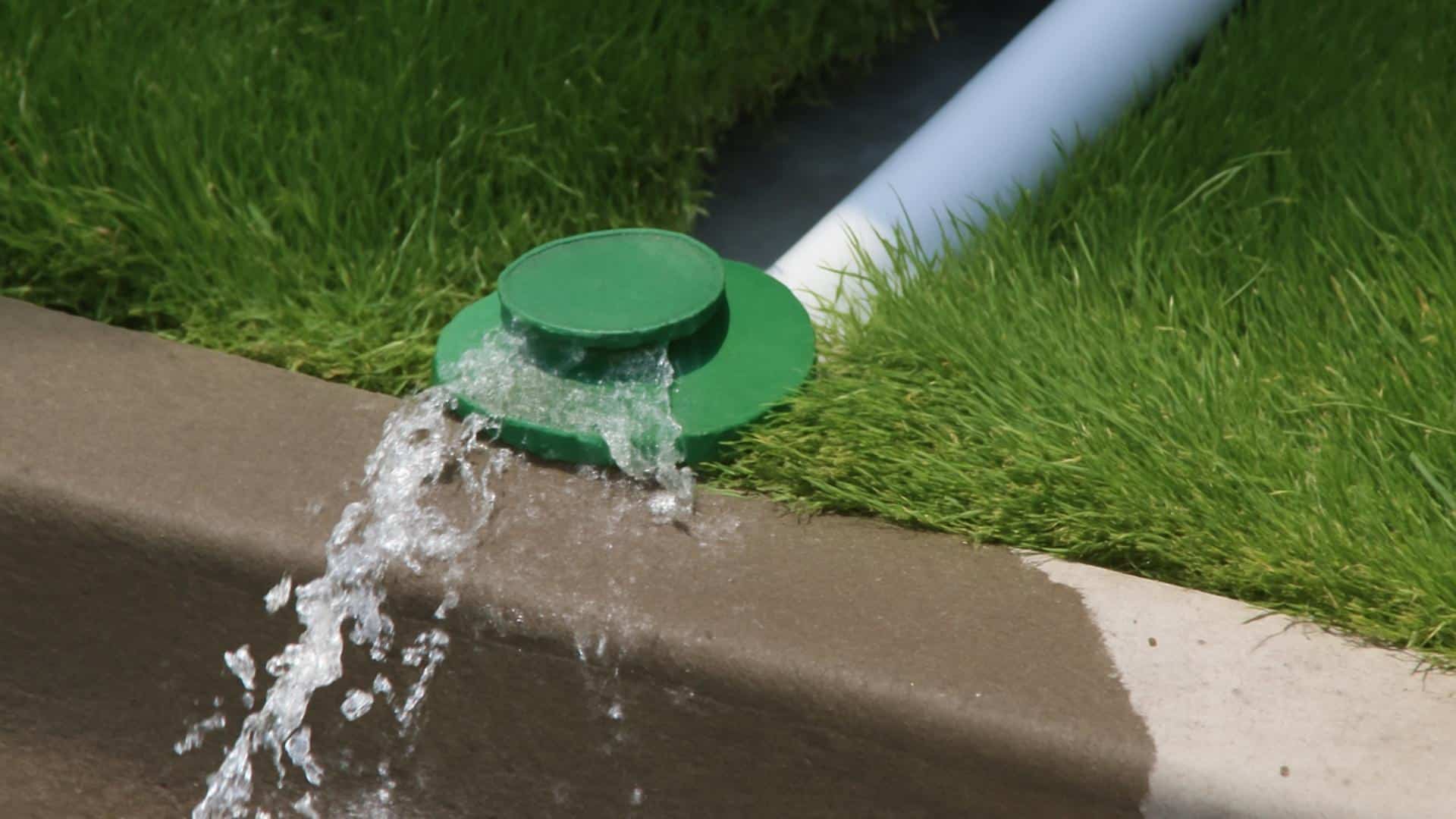
Managing groundwater and storm runoff is one of the most important steps in protecting a home’s foundation and outdoor space. Many homeowners search for yard sump pump discharge ideas when they notice water pooling around the basement or yard after heavy rain. Without a proper discharge plan, excess water can lead to erosion, structural damage, and long-term moisture problems inside the home.
A well-designed drainage system ensures that water is safely redirected away from the foundation. This not only keeps the basement dry but also improves yard stability and prevents muddy or flooded areas. Understanding how sump pump discharge works helps homeowners make smarter decisions about long-term water control and property protection strategies that reduce costly repairs.
Understanding How a Sump Pump Protects Your Home
A sump pump is a critical device used in many homes to prevent basement flooding by removing collected groundwater. It sits inside a sump basin and activates automatically when water levels rise. Once triggered, it pushes water through a discharge pipe and away from the home, keeping the foundation dry and stable during heavy rainfall or melting snow.
Modern systems often include components such as check valves and backup pumps to improve efficiency. These elements prevent water from flowing backward and ensure continuous operation during power outages or heavy storm conditions. When homeowners research yard sump pump discharge ideas, they are often looking for ways to improve this water removal process for better safety and long-term performance.
Choosing the Right Sump Pump System for Your Property
Selecting the right sump pump depends on basement size, water volume, and soil conditions. Submersible pumps are placed inside the basin for quiet operation, while pedestal models are installed above ground for easier maintenance access. Both types are effective, but the right choice depends on long-term durability needs and installation preferences.
Many homeowners also consider backup options such as battery-powered systems to ensure protection during power failures. High-quality brands are often preferred for reliability and extended lifespan. Proper system selection plays a major role in determining how well yard sump pump discharge ideas will perform in real-world conditions and seasonal weather changes.
Standard Methods for Directing Sump Pump Water Away
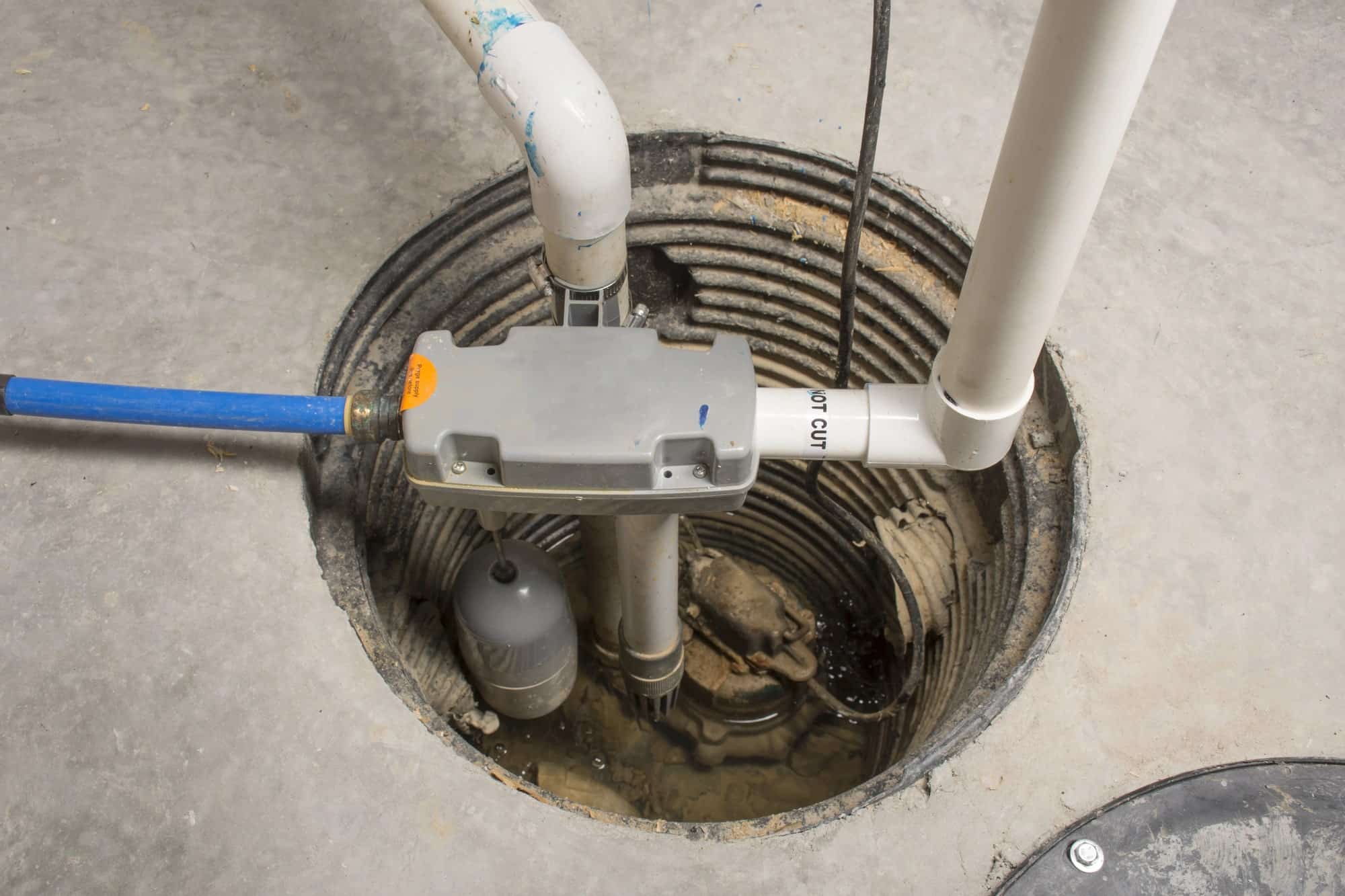
Traditional discharge systems use pipes that carry water from the sump pump to a safe area away from the home. These pipes can be installed above ground or buried underground depending on yard design and climate conditions. Proper slope is essential so water flows naturally away from the foundation without pooling or returning toward the basement.
Some systems discharge water to daylight areas where gravity naturally directs flow downhill. Others use extended hoses or splash blocks to distribute water across a wider surface. These basic methods form the foundation of many yard sump pump discharge ideas and help prevent moisture buildup near the home’s structure.
Best Yard Sump Pump Discharge Ideas for Long-Term Protection
Modern homeowners often explore creative drainage solutions to improve both functionality and yard appearance. Popular options include dry wells, French drains, rain gardens, and pop-up emitters. These systems help absorb or redirect water safely while reducing surface erosion and preventing water from flowing back toward the foundation area.
Among all yard sump pump discharge ideas, combining multiple drainage methods often produces the best results. Underground piping systems paired with landscaped solutions create a balance between efficiency and visual appeal. This approach ensures water is managed effectively while maintaining a clean, usable outdoor environment throughout the year.
Installation and Maintenance for Reliable Performance
Proper installation is essential for any sump pump system to function correctly. Pipes must be installed with the correct downward slope, and check valves should be positioned to stop backflow into the sump basin. Poor installation can lead to system failure, flooding risks, and long-term structural issues in the basement area.
Regular maintenance is equally important to keep the system working efficiently. Cleaning the sump basin, inspecting pipes, and testing pump operation helps prevent clogs and mechanical failure. Many homeowners using yard sump pump discharge ideas also schedule routine inspections to ensure consistent performance during heavy rainfall seasons.
Cost Factors and Common Drainage Challenges
The cost of installing a sump pump system depends on equipment type, labor, and drainage complexity. Basic setups are more affordable, while advanced systems with underground piping or backup power increase total expenses. Homeowners should also consider long-term maintenance and potential repair costs when planning their drainage investment.
Common issues include frozen discharge lines, clogged pipes, and pump overload during storms. These problems can reduce system efficiency and increase flood risk if not addressed quickly. Choosing the right yard sump pump discharge ideas helps minimize these challenges and ensures a more reliable water management system for the home.
Conclusion for Long-Term Yard Protection Strategy
A well-planned drainage system is essential for keeping both the basement and yard safe from water damage. By combining effective installation, proper maintenance, and smart design choices, homeowners can significantly reduce the risk of flooding and foundation problems. The right yard sump pump discharge ideas provide long-term stability and peace of mind.
Ultimately, investing in a reliable sump pump system is not just about water removal but about protecting the entire property. With consistent care and the right drainage approach, homeowners can maintain a dry basement, a healthy yard, and a strong foundation that stands up to changing weather conditions year after year.
You may also read: Types of Gutter Guards and Their Performance