Introduction
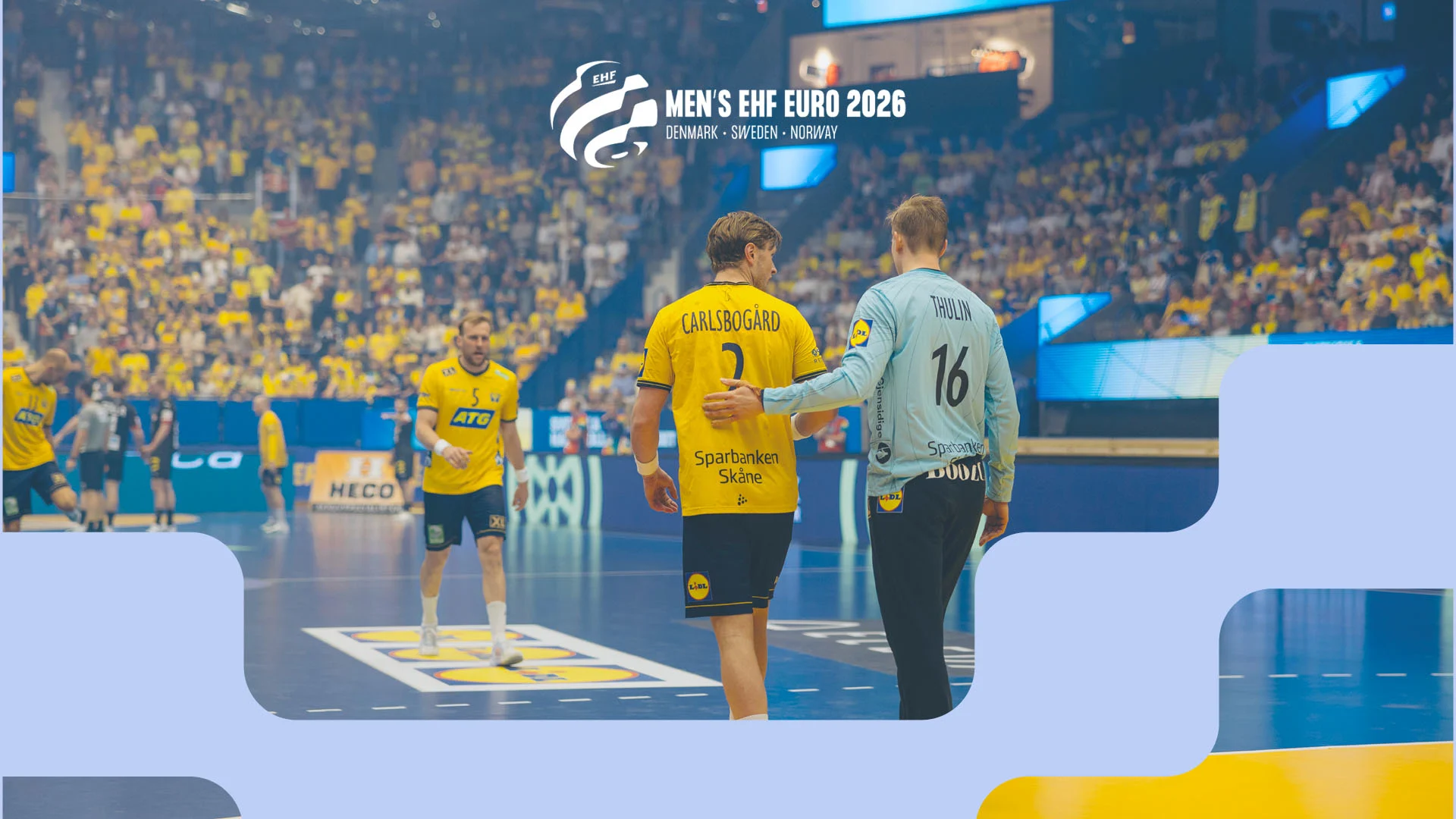
Håndball EM Herrer 2026 delivered exactly what major European handball should deliver: elite teams, packed arenas, cross-border hosting, and a tournament arc that moved from anticipation to drama and finally to a clear champion. The championship was staged from 15 January to 1 February 2026 across Denmark, Norway, and Sweden, with 24 national teams taking part in the final tournament. That broad structure alone made it one of the biggest events on the European handball calendar and a major point of interest for readers searching for schedules, host details, results, and tournament context.
For readers looking for one complete guide, this article brings the tournament together in a single narrative. It explains what the competition is, how the format worked, where the matches were played, which teams shaped the event, how the results unfolded, and why the final standings mattered. Because the championship is now complete, this piece works both as a guide to the event and as a useful recap of how Denmark claimed the title, how Germany finished second, and how Croatia edged Iceland for bronze.
What the Tournament Represents
The Men’s EHF EURO is one of the toughest continental competitions in world handball because Europe contains a remarkable concentration of elite national sides. The European Handball Federation’s own historical overview shows how strong the event has become over time, beginning in 1994 and growing into a championship where only a handful of nations have managed to win gold. By 2026, the tournament had already built a legacy strong enough that every edition carried both historical weight and immediate relevance for world handball.
Håndball EM Herrer 2026 mattered not only because a trophy was on the line, but because it brought together host-nation pressure, established powers, emerging teams, and a format that rewards consistency as much as brilliance. Official EHF coverage positioned the event as a full-scale 24-team championship played across 18 days, with fixtures, results, and standings updated throughout. That makes the competition especially appealing for online readers, because it naturally attracts interest from casual fans who want a quick overview and dedicated followers who want match-by-match detail.
Dates and Tournament Timeline
The official championship window ran from 15 January to 1 February 2026, with the event taking place across Denmark, Sweden, and Norway. Norway’s federation confirmed the same date range on its dedicated EM page, while the EHF’s tournament hub described it as an 18-day festival of handball featuring Europe’s top 24 teams. Those dates mattered for SEO and for fans alike because searches around the tournament were strongly driven by scheduling intent: people wanted to know when it started, when the main rounds arrived, and when the medal matches would be played.
The tournament timeline moved in a clear sequence from the preliminary round into the main round and then into the final weekend. Official EHF schedule material showed the preliminary phase spread across the opening dates, followed by main-round play in late January, then the semi-finals on 30 January, and finally the bronze-medal match and final on 1 February in Herning. This rhythm gave the competition a natural narrative progression, allowing early group drama to feed directly into the higher-pressure knockout atmosphere of the closing days.
Host Nations and Venues
One of the defining features of Håndball EM Herrer 2026 was its three-country hosting model. Denmark, Norway, and Sweden shared responsibility for the tournament, making this edition part of a modern multi-host trend in European handball. The EHF tournament page confirmed the three host nations, and Norway’s federation specifically highlighted that matches on Norwegian soil were played at Unity Arena in Bærum. That multi-host setup expanded local fan access and strengthened the Scandinavian identity of the event.
The official match-schedule release identified the preliminary-round locations as Herning, Oslo/Bærum, Malmö, and Kristianstad. Herning’s Jyske Bank Boxen stood out in particular because it hosted not only preliminary games but also major later-stage action, including the final. Norway’s official page pointed to Unity Arena as the Norwegian venue, while EHF material framed the host-city experience as part of the tournament’s attraction for travelling supporters. Taken together, those venues created a championship footprint that felt broad, modern, and highly spectator-friendly.
Tournament Format Explained
The basic competition design was built around 24 teams divided into six preliminary groups of four. Official EHF coverage around the draw confirmed the six-group structure and placed the teams into host cities before the championship began. That meant readers following the event could understand the opening stage as six separate mini-races, each with its own qualification battle. This format is effective because it gives every team an initial path forward while also making every early result significant.
From there, the top two teams from each preliminary group advanced to the main round, creating two groups of six. EHF explanatory coverage on the Men’s EURO format has consistently described that pathway, and 2026 match coverage showed teams carrying precious points into the next stage depending on who they had beaten in the preliminary round. That rule adds strategic tension because group-stage success does not simply secure qualification; it can shape a team’s entire championship outlook once the stronger sides collide in the main round.
Teams That Shaped the Championship
Denmark, Germany, Croatia, and Iceland ultimately defined the sharp end of the tournament, with the official final standings placing them first through fourth. Denmark captured the title, Germany finished runner-up, Croatia took bronze, and Iceland placed fourth after a narrow medal-match defeat. The standings also showed Portugal finishing fifth and Sweden sixth, which tells an important story of depth: the tournament was not dominated by only one or two nations, but by a broader competitive cluster capable of pushing deep into the event.
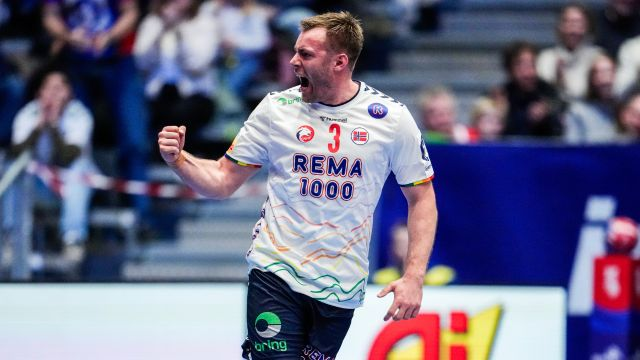
Several teams also helped shape the tournament even without reaching the podium. France ended seventh, Slovenia eighth, and Norway ninth in the final ranking, while the Faroe Islands finished thirteenth and drew attention through their presence in a highly competitive field. That spread of final positions matters because it reflects the competitive range inside modern European handball. A major reason this tournament remained compelling from start to finish was that reputation alone did not decide outcomes; teams had to earn progression in every round.
Key Players and Individual Brilliance
No player symbolised the tournament more clearly than Denmark’s Mathias Gidsel. The official EHF championship page listed him as the top scorer with 68 goals, and EHF coverage after the final described him as tournament MVP as well. When one player ends a championship with gold, the MVP award, and the scoring crown, he naturally becomes central to any meaningful overview. His influence also helped explain why Denmark were able to convert home-region familiarity and elite squad depth into a complete title run.
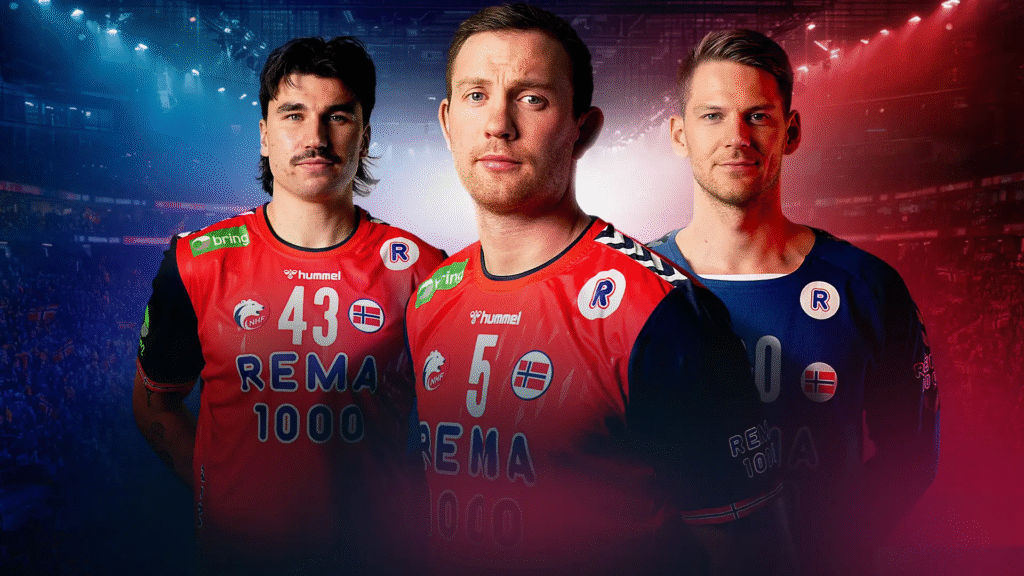
Denmark’s success was not just about one star, however. Official EHF statistics and match coverage also highlighted Simon Pytlick among the leading scorers and Kevin Møller as a key figure in the final, while Germany’s run to the title match was supported by strong performances across the squad. The final itself ended 34–27 in Denmark’s favour, and post-match official reports underlined both the team quality and the ability to deliver under the biggest pressure. In tournaments like this, superstar output matters most when it is matched by tactical cohesion and timely support.
Fixtures and Schedule Structure
The fixtures were one of the main reasons readers searched for this topic in the first place, and the official EHF match centre was designed around that demand. It offered a single place for fans to check throw-off times, locations, and updated scores across the full competition. EHF schedule material also made the geographical structure easy to follow by showing which groups were attached to which host cities. For search visibility, that combination of dates, venues, and match order is exactly the kind of information users repeatedly return to during a tournament.
Håndball EM Herrer 2026 also benefited from a schedule that gradually increased the stakes. The opening matches launched on 15 January, the main round intensified in the days that followed, and the final weekend concentrated attention in Herning. Official EHF material for Herning even promoted the venue as a place where fans could watch the event from opening action to the championship match. That kind of scheduling continuity helped build a strong narrative arc and made the tournament easier for audiences to track from start to finish.
Results and Standings
The most important result was the final: Denmark defeated Germany 34–27 to become European champions again. Official EHF match coverage described it as Denmark’s first EHF EURO title in 14 years and their third overall, while the standings page confirmed Denmark first and Germany second. That championship result turned an already strong Danish tournament into a historic one, especially because it came in front of a regional crowd and against a German side that had built real momentum through the latter stages.
The medal picture was completed when Croatia defeated Iceland 34–33 in the bronze-medal match. Official EHF coverage recorded that result and final ranking, with Croatia finishing third and Iceland fourth. Beyond the medal places, the complete standings offered a useful snapshot of the whole competition, from Portugal and Sweden just outside the podium to Ukraine finishing twenty-fourth. For SEO and user value, standings pages matter because they transform a long tournament into a clear, instantly readable hierarchy of performance.
How Fans Could Follow the Action
The EHF’s official “Where to watch” coverage made clear that the tournament was widely available through a mix of television, streaming, official online platforms, and social channels. The federation encouraged fans to use the tournament hub, broadcaster information, and digital content to stay connected throughout the 18-day event. That matters for readers because media access is a crucial part of search intent. People rarely want dates and results in isolation; they also want to know how to follow the event live and where to find verified updates.
The event also generated significant audience reach. EHF reporting after the tournament stated that live coverage was secured across more than 70 territories, supported by a strong free-to-air footprint, while another official release highlighted record digital reach around the championship. For international readers, including UK audiences, that broad distribution means the best practice is to check the official EHF broadcast listings or tournament pages rather than rely on outdated secondary sources. That keeps fans close to verified schedules and legitimate coverage options.
Tickets and the Fan Experience
The official fan-corner section for the tournament positioned the event as more than a list of matches. It gathered venue information, FAQ material, and host-city details for supporters attending in person. That is important because a major handball championship lives not only through final scores but through atmosphere, travel planning, local logistics, and the rhythm of matchday experience. A strong tournament identity depends on how easy it is for fans to move between information, entry guidance, and entertainment around the arenas.
Herning, in particular, was marketed as a full championship destination, with official EHF material stressing that fans could see opening-round action, main-round matches, and the final at the same venue. Norway’s federation likewise centred its local coverage on Unity Arena in Bærum and connected the event to tickets, transport, and national-team interest. The result was a tournament experience designed to reward both the local supporter attending one session and the travelling fan planning an entire European handball trip around the championship schedule.
History and Past Champions
A strong article on this topic should place the 2026 edition inside the broader history of the Men’s EHF EURO. The EHF history archive notes that the first championship was held in 1994 and that six nations had won the title before the most recent updates to the medal table. Sweden lead the historical gold-medal count, with France close behind, while Denmark and Germany are among the nations with multiple titles. That historic frame matters because every new edition is measured against decades of continental rivalry.
The 2026 event also carried specific historical significance. Official EHF final coverage stated that Denmark’s victory ended a 14-year wait for another European title, and the final standings confirmed that the Danes had climbed back to the top of the continental game. Croatia’s bronze added another chapter to their own medal history, while Germany’s silver reminded readers that they remain one of the central powers in European handball. These details make the tournament richer because they connect single-match drama to longer sporting memory.
Why the Championship Mattered
Håndball EM Herrer 2026 mattered because it combined sporting prestige with a powerful regional setting. A Scandinavian co-hosting model, strong arena culture, elite teams, and a structure that quickly eliminates mistakes created exactly the kind of environment in which top-level handball thrives. The EHF’s own coverage reflected that scale through constant updates, statistics, live match reporting, and fan-facing tools. When a tournament receives that level of official attention, it signals not just importance within the sport but broad audience demand around it.
It also mattered because it showcased the modern depth of the European game. Denmark won the title, but Germany, Croatia, Iceland, Portugal, Sweden, France, Slovenia, and Norway all occupied meaningful positions in the final ranking, revealing a field with multiple layers of quality. A strong championship is rarely about one unbeatable side alone. It is about whether enough teams can sustain credible title ambitions deep into the event. The 2026 standings suggest this edition succeeded on exactly that level.
Major Storylines and Talking Points
One of the biggest storylines was Denmark’s balance between expectation and execution. Co-host status can create extra pressure, yet Denmark turned that pressure into performance. Official EHF reporting after the final framed the victory as a long-awaited return to continental gold, and the tournament statistics page highlighted how central Danish players were to the overall narrative. When a host nation goes all the way, it reshapes the emotional memory of the tournament and gives the event a cleaner, more dramatic ending than a neutral outcome often provides.
Another major storyline was the range of compelling subplots beneath the title race. Germany’s run to the final, Croatia’s narrow bronze-medal success, Iceland’s deep push, Portugal’s fifth-place finish, and the visibility of teams such as the Faroe Islands all added texture to the competition. Official EHF updates also recorded notable swings inside the rounds themselves, such as surprise results in group play and the significance of carrying points into the main round. That mixture of favourites, shocks, and near-misses is what made the championship feel alive rather than predictable.
Conclusion
Taken as a whole, this championship offered the full modern handball package: a respected competition format, strong host venues, wide broadcast reach, elite players, and a final that produced a worthy champion. Denmark’s 34–27 win over Germany gave the event a decisive finish, while the final ranking captured the broader shape of the tournament for anyone wanting a quick summary. From a content perspective, that is why this topic performs so well in search. It naturally combines evergreen background with time-sensitive user needs such as fixtures, results, dates, and standings.
For readers, Håndball EM Herrer 2026 remains an excellent subject because it supports several intents at once. Some will arrive wanting a simple explanation of what happened. Others will want venues, top players, or the structure of the competition. Still others will be comparing this edition with previous championships and judging what Denmark’s title means in historical terms. A strong article can satisfy all of those needs when it stays clear, factual, and close to official tournament information, which is exactly what turns a sports guide into a genuinely useful search result.
FAQs
What was Håndball EM Herrer 2026?
It was the 2026 Men’s EHF European Handball Championship, the seventeenth edition of the continental men’s tournament organised by the European Handball Federation. It took place from 15 January to 1 February 2026 and featured 24 national teams competing across Denmark, Norway, and Sweden.
When did the tournament start and end?
The championship officially started on 15 January 2026 and ended on 1 February 2026. Those dates were confirmed by both the official EHF tournament hub and Norway’s federation page for the event.
Which countries hosted the event?
Denmark, Norway, and Sweden were the three host nations. Official schedule material also linked the event to venues in Herning, Oslo/Bærum, Malmö, and Kristianstad.
How many teams took part?
A total of 24 teams played in the final tournament. The EHF repeatedly described the event as a 24-team championship and the official draw material confirmed six groups of four teams in the preliminary round.
How did the format work?
The 24 teams were split into six preliminary groups of four. The top two sides from each group advanced to the main round, where they were reorganised into two groups of six before the tournament moved into the semi-finals and medal matches.
Who won Håndball EM Herrer 2026?
Denmark won the title after defeating Germany 34–27 in the final. Official EHF reporting described it as Denmark’s first European crown in 14 years and their third overall.
Who finished in the top four?
The final standings placed Denmark first, Germany second, Croatia third, and Iceland fourth. Croatia secured bronze with a 34–33 win over Iceland in the placement match.
Who was the standout player of the tournament?
Mathias Gidsel was the biggest individual name of the championship. The official EHF page listed him as top scorer with 68 goals, and EHF coverage after the event said he collected gold, the MVP award, and the scoring title.
Where could fans check fixtures and live results?
The official EHF match centre provided fixtures, throw-off times, venues, and updated results in one place throughout the competition. The standings page also gave a complete ranking of all 24 teams once the event ended.
How could international fans follow the tournament?
The EHF’s official viewing guide said the championship was available through broadcaster partners, digital platforms, and social channels, while post-event reporting noted coverage across more than 70 territories. For international audiences, the safest route was to use the official EHF pages for the latest broadcaster information.
You may also read: Understanding the “2026” Naming and Search Confusion