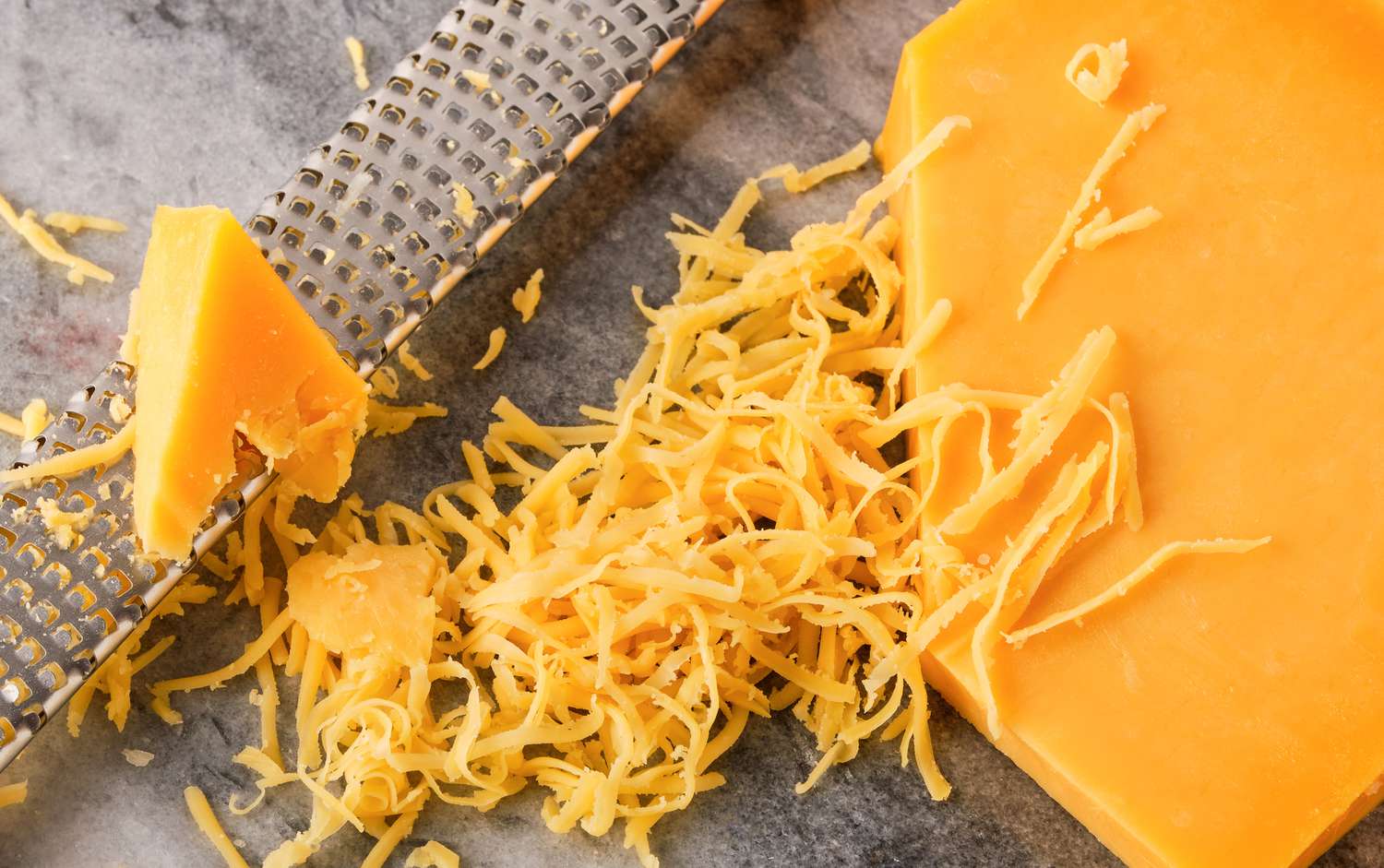
Cheddar cheese is one of the most well-known and widely consumed cheeses in the world. Originating from the village of Cheddar in Somerset, England, it has become a staple ingredient in many kitchens across the UK and beyond. Known for its rich flavour and firm texture, cheddar cheese is commonly used in everyday cooking, from sandwiches and baked dishes to sauces and classic comfort meals.
Over time, cheddar cheese has grown in popularity because of its versatility and satisfying taste. Whether melted into pasta, grated over vegetables, or served on a traditional cheese board, it provides depth and richness to many dishes. This guide explores what cheddar cheese is, its history, varieties, nutritional value, and the many ways it can be enjoyed in modern cooking.
What Is Cheddar Cheese
Cheddar cheese is a natural cheese made primarily from cow’s milk and is recognised for its firm texture and slightly tangy flavour. One of the most distinctive features of cheddar cheese is the unique production technique known as the cheddaring process. This method involves cutting, stacking, and turning curds to remove moisture and develop the cheese’s characteristic consistency.
The flavour of cheddar cheese can vary significantly depending on how long it has been aged. Younger cheeses are usually mild and creamy, while older varieties develop a stronger, sharper taste. This wide range of flavours makes cheddar cheese suitable for both everyday meals and more refined dishes, allowing cooks to experiment with different levels of richness and intensity.
History and Origin of Cheddar Cheese
The story of cheddar cheese begins in the rolling countryside of Somerset in south-west England. Historically, local farmers produced cheese using fresh milk from their cows and stored it in the natural caves found near the village of Cheddar. These caves provided ideal conditions of temperature and humidity, which allowed the cheese to mature slowly and develop its unique flavour.
During the nineteenth century, the production of cheddar cheese expanded significantly as improved farming methods and industrial techniques were introduced. The cheese quickly became one of Britain’s most recognised food exports, spreading across Europe, North America, and other parts of the world. Today, although it is produced globally, traditional British cheddar cheese remains highly respected for its quality and heritage.
Types of Cheddar Cheese
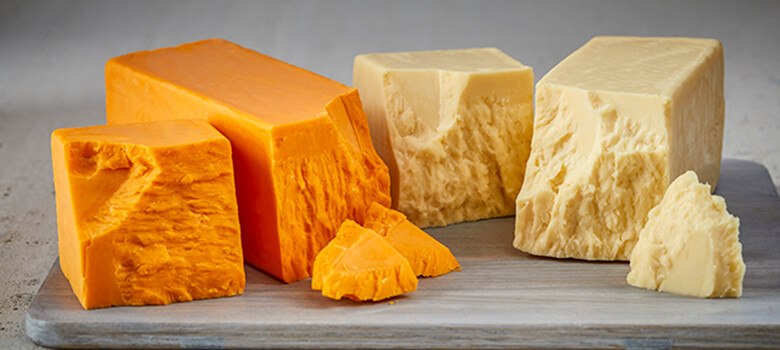
There are several varieties of cheddar cheese, each offering a slightly different flavour and texture depending on the ageing process. Mild cheddar is usually aged for only a few months and has a creamy, smooth taste that works well in sandwiches and light dishes. Medium cheddar develops a slightly deeper flavour, making it suitable for both cooking and everyday snacking.
Mature and vintage varieties of cheddar cheese are aged for longer periods, sometimes over a year. These types have a sharper taste and a more crumbly texture, which many cheese lovers find particularly satisfying. Some cheddar cheeses are naturally pale, while others are coloured orange with annatto, a natural food colouring that enhances visual appeal without significantly altering flavour.
Taste, Texture, and Appearance
The taste of cheddar cheese is often described as rich, slightly nutty, and pleasantly tangy. Younger cheeses tend to have a mild and creamy flavour that melts easily, while older varieties develop a more complex and sharp taste. This transformation occurs as the cheese matures, allowing natural enzymes to create deeper and more pronounced flavours.
In terms of appearance, cheddar cheese is typically pale yellow or golden orange, depending on the production method. The texture can range from smooth and flexible in younger cheeses to crumbly and firm in aged versions. These qualities make cheddar cheese an appealing choice for both cooking and presentation on a cheese board alongside crackers, fruits, and chutneys.
Nutritional Value of Cheddar Cheese
Cheddar cheese is valued not only for its flavour but also for its nutritional benefits. It contains high levels of protein, which helps support muscle growth and repair. In addition, cheddar cheese is rich in calcium, a mineral essential for maintaining strong bones and teeth. It also provides vitamins such as vitamin A and vitamin B12, which play important roles in maintaining overall health.
However, cheddar cheese is also relatively high in fat and calories, so it should be consumed in moderation as part of a balanced diet. When enjoyed sensibly, it can contribute useful nutrients and add satisfying flavour to meals. Pairing cheddar cheese with vegetables, whole grains, or salads can create balanced dishes that are both nutritious and enjoyable.
How Cheddar Cheese Is Made
The process of making cheddar cheese begins with fresh cow’s milk, which is gently heated and combined with starter cultures. These cultures help convert lactose into lactic acid, encouraging the milk to form curds. Once the curds have developed, they are cut into small pieces and separated from the liquid whey, marking the first stage of the cheese-making process.
After the curds are drained, they undergo the traditional cheddaring process. During this stage, the curds are stacked, turned, and pressed together to remove additional moisture. The cheese is then salted, shaped, and left to mature for several months or even years. This ageing period is essential for developing the flavour, aroma, and texture that define high-quality cheddar cheese.
Popular Uses of Cheddar Cheese in Cooking
Cheddar cheese is incredibly versatile and appears in many popular dishes throughout the UK and beyond. One of the most famous recipes is macaroni and cheese, where the cheese melts into a creamy sauce that coats the pasta. It is also a key ingredient in cauliflower cheese, a traditional British dish where vegetables are baked in a rich cheese sauce until golden and bubbling.
Beyond these classic meals, cheddar cheese is frequently used in snacks and baked goods. It is commonly added to savoury pastries, grilled sandwiches, and cheese scones. Because cheddar cheese melts smoothly and provides a strong, satisfying flavour, it is also perfect for preparing homemade cheese sauces that can be served with pasta, potatoes, or steamed vegetables.
Cheddar Cheese Compared with Other Cheeses
Cheddar cheese is often compared with other popular varieties such as cream cheese, feta cheese, or parmesan cheese. Cream cheese has a very soft texture and mild flavour, making it ideal for spreads and desserts. Feta cheese, in contrast, is crumbly and salty, commonly used in Mediterranean salads and dishes.
What makes cheddar cheese unique is its balanced flavour and melting ability. Unlike parmesan, which is usually grated, cheddar cheese melts smoothly and forms creamy sauces. This versatility allows it to be used in a wide range of dishes, from simple snacks to complex recipes, making it one of the most practical cheeses available in modern kitchens.
Storing and Choosing Quality Cheddar Cheese
Proper storage is essential for maintaining the freshness and flavour of cheddar cheese. It should ideally be wrapped in wax paper or baking parchment before being placed in an airtight container in the refrigerator. This method allows the cheese to breathe slightly while preventing it from drying out or absorbing unwanted odours from other foods.
When choosing cheddar cheese in shops, it is helpful to read the label carefully. Terms such as mild, mature, or vintage indicate how long the cheese has been aged and can give clues about its flavour intensity. Selecting the right type of cheddar cheese depends on how it will be used, whether for cooking, melting, or serving on a cheese board.
Conclusion
Cheddar cheese remains one of the most beloved cheeses in the world because of its rich flavour, long history, and incredible versatility. From its origins in the English countryside to its global popularity today, it has maintained its reputation as a reliable and delicious ingredient. Its ability to enhance both simple and complex dishes ensures that it will continue to hold an important place in many cuisines.
Understanding the different types, flavours, and uses of cheddar cheese can help people make better choices when cooking or shopping. Whether it is enjoyed melted in a comforting meal, sliced in a sandwich, or served as part of a cheese board, cheddar cheese continues to bring warmth, flavour, and tradition to the table.
Frequently Asked Questions
What is cheddar cheese made from
Cheddar cheese is traditionally made from cow’s milk that is cultured and curdled to form solid curds and liquid whey. These curds are then processed through the cheddaring technique, which gives the cheese its distinctive texture. The final product is aged for varying lengths of time to develop different flavours and levels of sharpness.
This process creates a firm cheese with a rich taste that can range from mild to very strong. Because of its natural ingredients and careful ageing process, cheddar cheese remains one of the most widely appreciated cheeses across the world.
Why is some cheddar cheese orange
Some producers add a natural colouring called annatto to give cheddar cheese its familiar orange appearance. This colouring comes from the seeds of the achiote plant and has been used in cheese making for centuries. The purpose is mainly visual, helping consumers easily recognise certain styles of cheese.
The colour itself does not significantly affect the flavour of the cheese. Both white and orange cheddar cheese taste very similar, and the choice between them usually depends on regional preferences or branding traditions rather than any difference in quality.
Is cheddar cheese healthy to eat
Cheddar cheese can be a nutritious addition to a balanced diet when consumed in moderate amounts. It provides important nutrients such as calcium, protein, and vitamins that help maintain strong bones, teeth, and muscles. These nutrients make it a beneficial ingredient in many meals.
However, because cheddar cheese is also high in fat and calories, portion control is important. Enjoying it alongside fresh vegetables, whole grains, or salads can help create balanced meals while still allowing people to appreciate its rich flavour.
How long does cheddar cheese last in the fridge
When stored properly in the refrigerator, cheddar cheese can last several weeks without losing its quality. Wrapping it in parchment or wax paper before placing it in an airtight container helps preserve its flavour and texture while preventing it from drying out.
Harder, aged varieties of cheddar cheese often last longer than younger, softer types. Checking for changes in smell, texture, or appearance can help determine whether the cheese is still safe to eat. Proper storage ensures that cheddar cheese remains fresh and enjoyable for longer periods.
You may also read: Reputation as a feared London gangster