European travel to the United Kingdom has undergone a fundamental transformation in 2026. Moving away from traditional border-based verification systems, the UK has implemented a strict pre-travel authorization requirement that reshapes how visitors plan their journeys. For decades, Europeans enjoyed seamless movement across the Channel, but the post-Brexit landscape has introduced:
- Additional visa checks
- Documentation requirements
- Enhanced border controls
The most significant shift is the transition to a digital permission framework, preventing travelers from resolving their entry status upon arrival. This comprehensive overhaul impacts everyone from tourists and business professionals to multi-national families, requiring careful preparation long before heading to the airport or ferry terminal.
What is the new mandatory electronic travel authorisation (ETA) system?
The core of the 2026 border entry changes is the mandatory Electronic Travel Authorisation (ETA). Enforced fully from February 25, 2026, this system applies to non-visa nationals, including European citizens, who are planning short stays of up to six months in the UK. The ETA is a digital permission that must be secured prior to departure.
Under the strict No ETA, No Travel policy, airlines, train operators, and ferry companies are legally obligated to deny boarding to any passenger who does not possess a valid, approved ETA. A pending application status is entirely insufficient for travel; travelers must receive final approval before their journey begins. This initiative is designed to streamline immigration processes and significantly improve overall border security.
How much does the UK ETA cost and what is its validity?
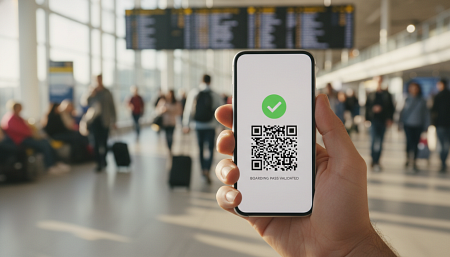
When planning a trip under the new regulations, travelers must account for the financial and temporal aspects of the ETA. Currently, the digital travel permit costs £16 per applicant, although the Home Office has indicated intentions to raise this fee to £20 in the future. Once the application is approved, the ETA remains valid for a period of two years, or until the traveler’s passport expires, whichever comes first.
This two-year validity allows for multiple entries into the United Kingdom, making it relatively convenient for frequent visitors once the initial approval is secured.
Which european travelers are exempt from these strict entry rules?
While the ETA system applies broadly to most European nationals, there are specific exemptions built into the new immigration framework. Irish citizens are entirely exempt from the ETA requirements due to the longstanding Common Travel Area arrangement between the UK and Ireland. These individuals can continue to travel freely using an Irish passport or a passport card.
Conversely, European Union citizens who hold UK settled or pre-settled status under the EU Settlement Scheme (EUSS) face a different set of challenges. While they do not need an ETA, they are subject to particular scrutiny. Their digital immigration status must be accurately and securely linked to the specific passport they intend to travel with. If this digital linkage is missing or incorrect, even those with legal residency rights risk facing boarding refusal at their point of departure.

Why is pre-departure proof of entry rights now critical for boarding?
The fundamental legal basis for entering the United Kingdom has not changed, but the method of verifying that right has experienced a monumental evidential shift. Previously, travelers could present their documents and resolve minor discrepancies directly with border force officers upon arrival in the UK. Today, the enforcement is entirely pre-departure.
Carriers must confirm that every passenger has explicit permission to travel before they are allowed to board a flight, train, or ferry. This means that immediate refused boarding will result from:
- Documentation errors
- Unrecognized proof of status
- Missing ETA approvals
How should you prepare your digital travel documents and UK connectivity?
Navigating the post-Brexit travel landscape requires meticulous digital preparation. Because your entry rights, whether an ETA or EUSS status, are electronically linked to your passport, ensuring your smartphone is fully connected upon arrival is essential to access travel apps, emails, and digital proofs. Travelers must ensure their devices are ready to display necessary confirmations and navigate the country without relying on insecure public Wi-Fi networks at airports or train stations.
Securing an eSIM for United Kingdom travel
One of the most effective ways to guarantee continuous digital access upon arrival is by purchasing an eSIM for United Kingdom, which allows international travelers to bypass the hassle of finding physical SIM cards or paying exorbitant roaming fees. With instant connectivity and digital convenience, visitors can activate various data plans tailored to their specific validity periods directly on their compatible devices. This easy installation process ensures that you can immediately access your digital travel authorizations, maps, and transportation apps the moment you land, backed by reliable customer support if any issues arise.

Choosing a reliable travel eSIM for broader international journeys
For those whose itineraries extend beyond the British Isles, finding a flexible connectivity solution is equally important. Opting for a comprehensive travel eSIM provides affordable data plans for global travel across wide country coverage, including the USA, Europe, and Asia.
For example, digital mobile connectivity providers like Amigo eSIM offer prepaid data plans across more than 194 countries via a user-friendly app, allowing users to install plans via QR code while keeping their primary SIM active for essential calls and two-factor authentication. Such solutions save travelers significantly on data costs and ensure seamless, high-speed internet access worldwide.
What are the practical implications for families and business travelers?
The full enforcement of the pre-travel basis for UK entry carries profound practical implications for various groups. Extensive forward planning is now required for:
- Families planning holidays
- Children visiting relatives
- Multi-national families

Spontaneous weekend trips to London or quick business meetings in Manchester are no longer possible without prior ETA approval. Business travelers who previously moved freely between the EU and the UK must integrate the ETA application process into their corporate travel policies. Furthermore, individuals who previously navigated border controls using alternative nationality passports or relied on the leniency of border officials will find that these workarounds are obsolete. Everyone must adapt to a strict, digitized system where permission to travel is an absolute prerequisite for booking and boarding.