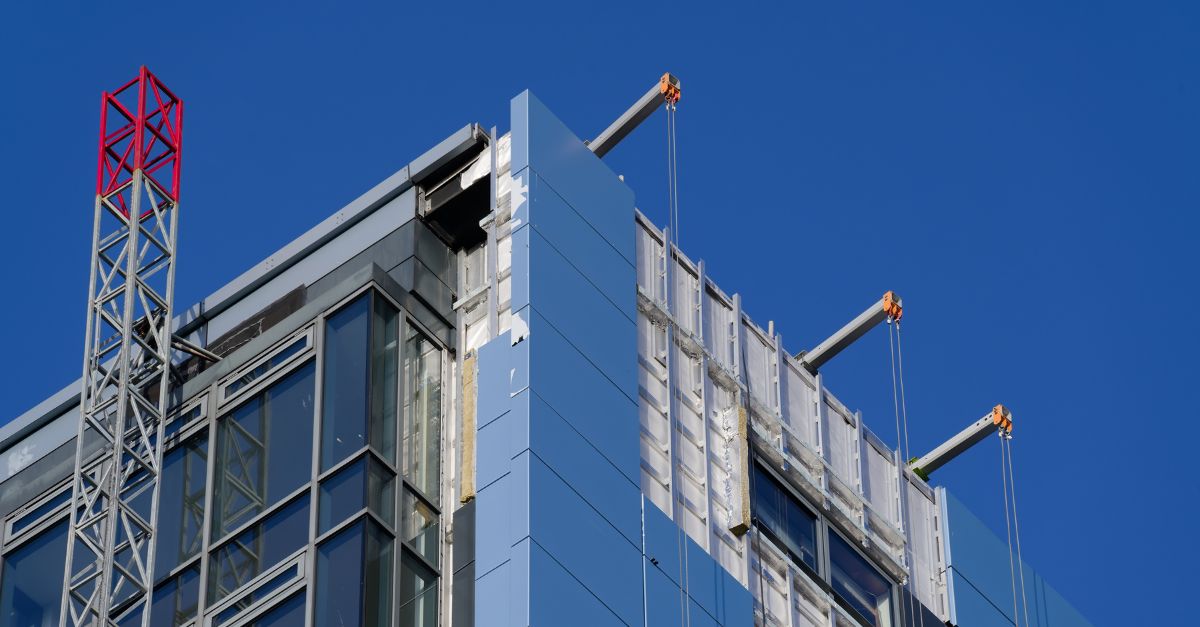
Cladding upgrades improve hygiene, protect walls, and refresh tired spaces, but the installation process can feel disruptive if it’s not planned well. You may face noise, limited access, and temporary changes to daily routines, which is why thoughtful preparation matters from the start.
Careful planning also helps you keep essential areas open so people can move through the building with confidence. Read our useful guide to the end to learn how to plan a cladding installation project that keeps disruption low while still delivering the result you expect.
Plan the Scope of Your Cladding Project
You need a clear view of the work before you confirm dates or move people around. Think about the rooms involved, how busy they are, and who uses them each day. This helps you shape a plan that fits the natural flow of your building. When you understand the level of preparation, sheet size, adhesive choice, curing time, and other important aspects, it becomes easier to set realistic expectations for everyone involved.
It also helps to speak early with your supplier so you can match materials to your environment. A cladding specialist like Simply Cladding can guide you on hygienic PVC options that work well in healthcare, education, and commercial settings where durability and cleanliness matter. This ensures you know what to expect from delivery, installation, and handover.
Schedule Work Around Daily Activity
Once you know how extensive the project is, you can create a timetable that supports daily operations. Evening or weekend work may suit areas that must stay open during the day. School buildings often allow more freedom during holidays, and offices sometimes prefer early morning work before staff arrive. Your goal is to choose times that reduce noise, dust, and movement in busy zones.
Staggered Area Closures
You should also think about the order of rooms. There’s no need to shut down entire areas if work is staggered. If one corridor or room closes at a time, you will still keep safe alternative routes available, which prevents the whole site from feeling restricted. Short, phased closures are easier to manage than one long interruption, and they help people adjust without feeling too restricted.
Coordinating Installation With High-Use Periods
It’s easier to manage disruption when the installation reflects how the building actually works. Map out peak activity times for clinics, lessons, meetings, or production tasks. You can then place quiet tasks during those periods and shift louder ones to calmer hours.
This approach keeps people comfortable while the team makes steady progress. Some times of day simply can’t accommodate noise or movement. These might include medical consultations, examinations, classes, or scheduled events.
During those windows, installers can handle gentle tasks such as checking measurements, preparing trims, or organising materials. This keeps the project moving without affecting essential activity.
Communicating Effectively With Everyone Involved
Strong planning only helps if people know what’s happening. You should share simple updates that show which rooms will close, where temporary routes are located, and how long each phase will last. Clear signage supports these messages and helps people move around the site safely.
Regular conversations with the installation team also help you react quickly when something changes. If a delivery arrives late or an area needs more time to cure, early notice gives you time to adjust staff plans and keep the building running smoothly. Open communication prevents confusion and stops small issues from growing into serious disruption.
Maintaining Safety And Cleanliness During Installation
Since hygienic cladding improves cleanliness, your installation approach should support the same standards. Ask how dust will be controlled, how surfaces will be protected, and how debris will be removed. These steps protect staff, students, patients, and visitors, especially in medical, food handling, and laboratory environments.
It’s also wise to plan safe access routes for installers so tools and materials move through the building without interfering with sensitive spaces. Temporary barriers, floor protection, and labels help separate work areas from the rest of the site. These small details reduce risk, improve comfort, and support a smooth installation from start to finish.
In a Nutshell
When you treat a cladding installation as a structured project rather than a simple upgrade, you achieve far better control over noise, access, and safety. Clear scheduling, strong communication, and attention to daily routines allow your team to work efficiently while the building stays functional.
With these steps in place, you create a low-disruption process that delivers cleaner, stronger, and longer-lasting surfaces without putting daily activity on hold. This careful approach also helps you maintain confidence across the site as everyone can see that the work is well organised and progressing smoothly.