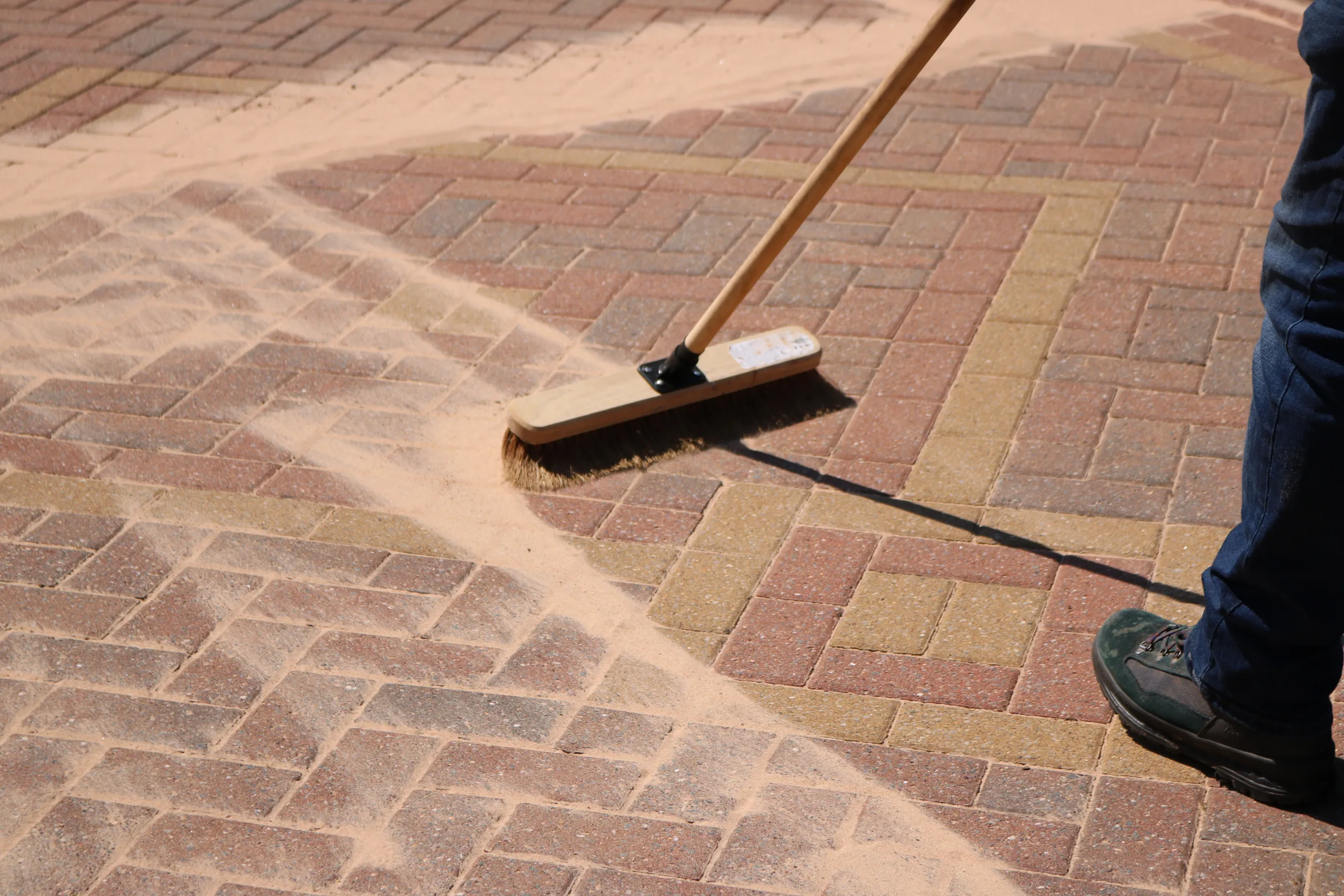
Choosing the best sand for block paving is one of the most important decisions when building or maintaining a driveway, patio or garden path in the UK. The right sand ensures structural strength, proper drainage and long-term durability. Because UK weather is often wet and unpredictable, using the correct material helps prevent movement, erosion and costly repairs over time.
The best sand for block paving is not just a filler material but a key structural component. It locks paving blocks in place, supports weight distribution and reduces weed growth between joints. Without proper sand selection, even high-quality paving blocks can sink or shift. That is why understanding sand types is essential for both DIY homeowners and professional installers.
Best sand for block paving types and their functions
The best sand for block paving depends on its specific function within the installation. Kiln-dried sand is widely used for joint filling because of its fine, dry texture that easily sweeps into gaps between blocks. It creates tight joints that help stabilise the surface and reduce movement caused by foot traffic or vehicles.
Sharp sand is also considered part of the best sand for block paving system, but it is mainly used in the bedding layer. Its coarse, angular grains allow for proper compaction and drainage, forming a strong foundation beneath the blocks. This combination of kiln-dried and sharp sand ensures both surface stability and long-term structural integrity.
Best sand for block paving to stop weeds and surface damage
Weed growth is a common issue in block paving, especially in damp UK climates. The best sand for block paving to stop weeds is kiln-dried sand because it fills joints tightly, leaving minimal space for seeds to grow. When applied correctly, it helps maintain a clean, even surface while reducing maintenance efforts over time.
For enhanced protection, polymeric sand is also considered among the best sand for block paving solutions. It hardens when exposed to moisture, forming a semi-solid joint that resists weed penetration and sand washout. This modern option is particularly useful in driveways and high-traffic areas where durability and low maintenance are priorities.
Best sand for block paving base and structural stability

A strong base is essential when using the best sand for block paving in any construction project. Sharp sand is typically used as the bedding layer because it compacts well while still allowing water to drain through. This prevents water pooling beneath the surface, which can lead to sinking, cracks or uneven blocks.
If the base layer is not prepared properly, the entire paving structure becomes unstable. That is why professionals always recommend using the best sand for block paving in combination with correct compaction techniques. A well-built base ensures the driveway or patio remains level, strong and resistant to long-term ground movement.
Best sand for block paving joints and long-term durability
Joint filling plays a crucial role in maintaining block paving strength, and the best sand for block paving joints is kiln-dried sand. Its fine texture allows it to settle deeply into narrow gaps, locking the blocks together and preventing lateral movement. This creates a firm, stable surface that withstands everyday use.
Over time, joints may lose sand due to weather or cleaning, which is why re-sanding is essential. Using the best sand for block paving during maintenance restores stability and appearance. Regular replenishment helps prevent water infiltration and keeps the paving system functioning effectively throughout seasonal changes.
Best sand and cement mix for paving joints and slabs
In some installations, a sand and cement mix is used instead of dry sand alone. This method creates a rigid bond between slabs and is often used in areas requiring extra strength. However, it must be applied carefully to avoid cracking or drainage issues, especially in regions with heavy rainfall like the UK.
Even though cement-based systems are strong, many installers still prefer the best sand for block paving in traditional form. It offers flexibility that allows slight ground movement without damaging the surface. The choice between cement mix and dry sand depends on the project type, expected load and maintenance preferences.
Best sand for block paving maintenance and re-sanding
Maintenance is essential to preserve the performance of any paved surface, and the best sand for block paving plays a key role in this process. Over time, natural wear and weather conditions can remove joint sand, leaving gaps that weaken the structure. Re-sanding with kiln-dried sand restores stability and improves appearance.
Regular upkeep using the best sand for block paving ensures long-lasting results and prevents costly repairs. After cleaning or pressure washing, sweeping fresh sand into joints helps re-lock the blocks in place. This simple maintenance routine significantly extends the lifespan of driveways, patios and pathways.
Common mistakes when choosing best sand for block paving
One of the most common mistakes is using building sand instead of the best sand for block paving. Building sand is too fine and retains moisture, which leads to instability and weed growth. Another mistake is failing to compact the base layer properly, causing sinking and uneven surfaces over time.
Incorrect sand selection can also reduce drainage efficiency, especially in wet UK conditions. That is why it is important to always choose the best sand for block paving based on its intended purpose. Using the right materials from the start prevents long-term structural issues and improves durability.
Additional uses of sand in home and landscaping projects
Although the focus is the best sand for block paving, sand is also widely used in other landscaping applications. It plays a key role in lawn levelling, improving drainage and supporting healthy grass growth. Horticultural sand is often used to improve soil structure and reduce waterlogging in gardens.
Sand is also used in rendering, concrete mixing and slab laying. However, each application requires a specific type of sand. While the best sand for block paving is designed for structural stability and joint filling, other sands serve different purposes such as bonding, drainage or surface finishing.
Conclusion on best sand for block paving UK guide
Selecting the best sand for block paving is essential for creating a strong, durable and low-maintenance outdoor surface. From kiln-dried sand for joints to sharp sand for foundations, each type plays a critical role in ensuring stability and performance.
When installed correctly, the best sand for block paving helps prevent weeds, stop sinking and improve drainage. It is a small but vital detail that significantly affects the lifespan of any driveway or patio. Investing in the right materials ensures long-lasting results and reduces future maintenance costs.
FAQs about best sand for block paving
What is the best sand for block paving in the UK?
The best sand for block paving in the UK is kiln-dried sand for joints and sharp sand for bedding layers due to its stability and drainage properties.
Can sharp sand be used for block paving joints?
No, sharp sand is too coarse for joints. Kiln-dried sand is the best option because it fills gaps more effectively and locks blocks in place.
What is the best sand for block paving to stop weeds?
Kiln-dried sand and polymeric sand are the best choices as they reduce weed growth by sealing joint spaces tightly.
How often should block paving be re-sanded?
Most block paving should be re-sanded every one to three years depending on weather exposure and usage levels.
Why does sand come out of block paving joints?
Rain, cleaning and traffic gradually remove sand from joints, making regular maintenance essential to maintain strength and stability.
You may also read: Problems associated with clay soil