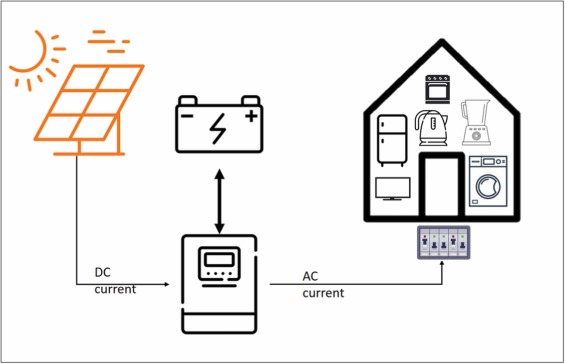
For years, the term “self-consumption” has been synonymous with sprawling rooftop solar arrays. The logic was simple: if you wanted to reduce your dependence on the grid and lower your energy bills, you had to turn your home into a mini power plant using photovoltaics (PV).
But what if you live in a rented apartment, a shaded townhouse, or simply aren’t ready to commit to a massive roof installation?
The energy landscape in 2026 has shifted. While solar remains a titan, the goal of self-consumption using the energy you “manage” rather than just buying it on demand is now achievable through smart technology, strategic storage, and localized micro-generation. Here is how you can achieve energy independence without a traditional PV setup.
1. The Rise of Arbitrage: Grid-Tied Battery Storage
The most effective way to practice self-consumption without producing your own energy is through Energy Arbitrage.
In most modern markets, electricity prices fluctuate throughout the day based on demand. By installing a standalone residential battery system, you can “consume” energy from the grid when it is at its cheapest (usually in the middle of the night) and store it. You then use that stored energy during peak hours when rates skyrocket.
- The Benefit: You aren’t just a passive consumer; you are managing your own internal micro-grid.
- The Impact: This can reduce electricity costs by up to 40% without a single solar panel on your roof.
2. Intelligent Demand-Side Management (DSM)
Self-consumption isn’t just about where the power comes from; it’s about when you use it. Smart Home Energy Management Systems (SHEMS) now allow appliances to communicate with the grid.
By using AI-driven plugs and smart appliances, your home can automatically shift heavy loads like dishwashers, dryers, or EV charging to periods of low grid stress. This “active” consumption mimics the behavior of a solar-equipped home by flattening your demand curve and reducing the strain on infrastructure.
3. Transitioning with Efficient Balcony Solar Solutions
If you find that grid-arbitrage isn’t enough and you want to dip your toes into generation without the “full-scale” hassle, the middle ground has become incredibly sophisticated. You don’t need a 20-panel roof array to start seeing results.
Modern urban dwellers are increasingly turning to efficient balcony solar solutions as a high-performance entry point. Unlike traditional systems, these are:
- Plug-and-Play: They connect directly to your standard wall outlet.
- High Efficiency: They utilize N-type bifacial cells that capture sunlight from both sides, maximizing output even in limited spaces.
- Portable: Perfect for renters who want to take their “self-consumption” setup with them when they move.
Focusing on efficiency allows these small-scale systems to cover a significant portion of a household’s “baseload” (the energy used by fridges, routers, and standby devices), effectively bridging the gap between being a pure grid-consumer and an energy producer.
4. Micro-Wind and Kinetic Solutions
For those in windier corridors or coastal areas, micro-wind turbines have become a viable alternative to PV. Modern vertical-axis wind turbines (VAWT) are silent, vibration-free, and can be mounted on parapets or chimneys.
Because wind often blows when the sun isn’t shining (at night or during storms), it provides a complementary energy profile to the standard solar model, allowing for a more consistent self-consumption rate throughout a 24-hour cycle.
5. Heat Pumps and Thermal Storage
Energy storage doesn’t always have to be electrical. You can achieve self-consumption by storing “energy” as heat.
Air-source heat pumps paired with well-insulated thermal buffer tanks allow you to convert off-peak electricity into hot water. This hot water is then stored and used for showers or space heating hours later. In essence, your water tank becomes a “battery” that stores grid-purchased energy for later personal use.
Comparison: Traditional PV vs. Alternative Self-Consumption
| Feature | Traditional Rooftop PV | Standalone Storage / Smart Tech | Balcony Micro-Solar |
|---|---|---|---|
| Initial Cost | High ($15,000+) | Moderate ($3,000 – $7,000) | Low ($500 – $1,200) |
| Installation | Professional/Permanent | Professional/Semi-Permanent | DIY / Portable |
| Space Required | Large Roof Area | Small Utility Space | Balcony Railing |
| Best For | Homeowners | All users (Renters/Owners) | Apartment Dwellers |
Why the “Efficiency First” Mindset Matters
The transition away from 100% grid reliance is a marathon, not a sprint. The mistake many make is thinking they need to solve their entire energy bill at once.
The most successful path to self-consumption starts with efficiency. By reducing waste through smart monitoring and utilizing small-scale, high-efficiency generation like balcony units, you create a system that is lean and responsive.
Conclusion
Achieving self-consumption without a massive photovoltaic investment is no longer a futuristic dream. Through a combination of grid-tied storage, smart demand management, and efficient balcony solar solutions, anyone regardless of their living situation can take control of their energy destiny.
The goal isn’t necessarily to cut the cord entirely; it’s to become an active participant in how your energy is sourced, stored, and spent. Start small, focus on efficiency, and watch your dependence on the traditional grid disappear.