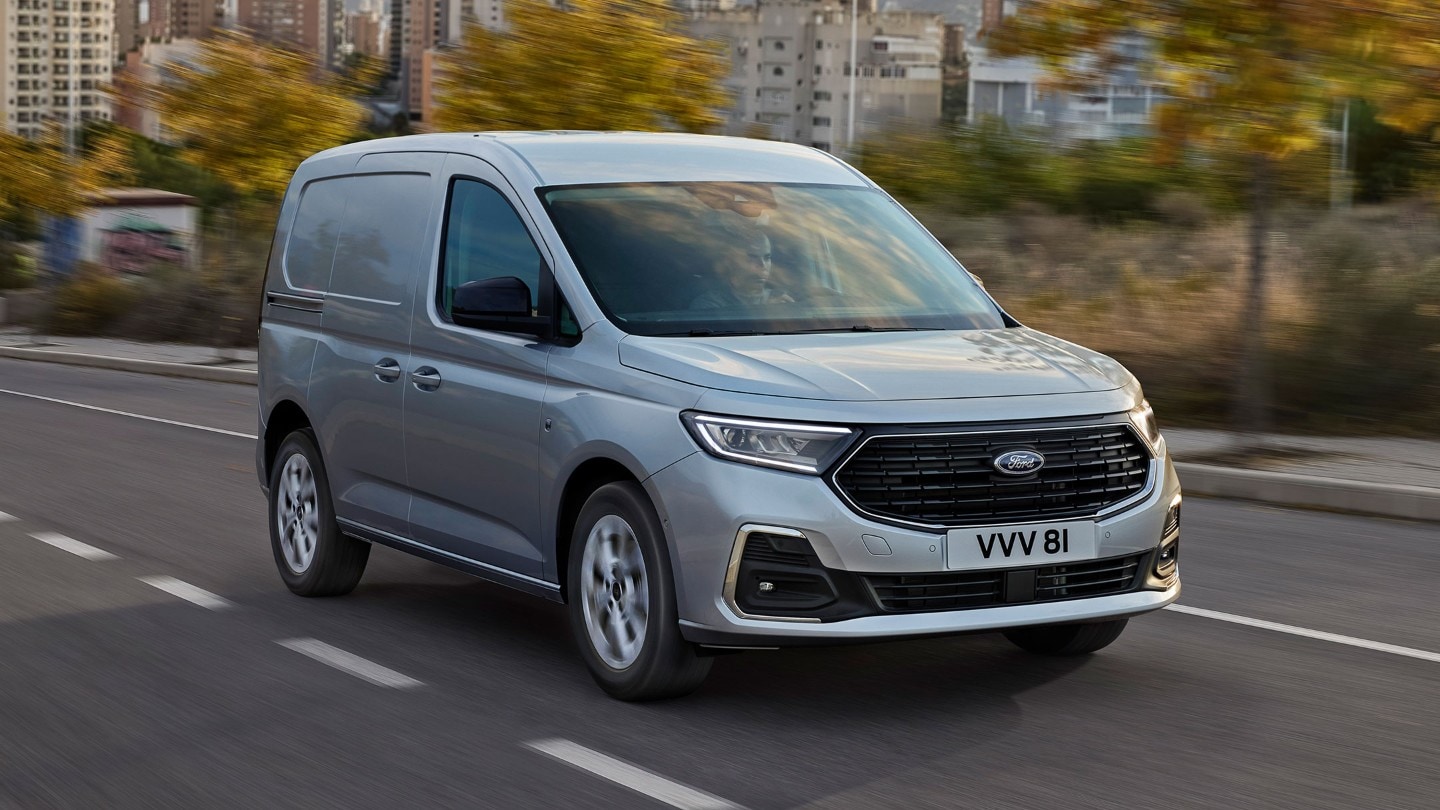
The Ford Transit Connect: A Look Back
The Ford Transit Connect has been one of the most practical compact vans available in the UK and Europe for over two decades. Introduced in 2002, it was designed specifically as a commercial vehicle rather than a modified passenger car, which immediately set it apart from earlier small vans. Its manageable size, strong reliability, and efficient running costs made it a dependable choice for tradespeople, delivery drivers, and small businesses operating in busy urban areas.
Even in 2025, interest in the Ford Transit Connect remains strong despite its reduced availability in newer lineups. Buyers are still searching for its specifications, real-world usability, and whether it remains a sensible purchase today. Understanding its capabilities, limitations, and modern alternatives is essential for anyone considering this van in the current market.
Ford Transit Connect Overview and Market Position
The Ford Transit Connect was developed to fill the gap between smaller city vans and larger commercial vehicles. Positioned between the Transit Courier and the Transit Custom, it offered a balance that suited users who needed cargo capacity without sacrificing manoeuvrability. Its compact footprint made it especially effective in urban environments where parking space and narrow streets are daily challenges.
Unlike larger vans, the Transit Connect appealed to businesses that did not require maximum payload but still needed a durable working vehicle. It became widely used in sectors such as electrical work, plumbing, courier services, and small-scale logistics. This positioning allowed it to build a strong reputation as a practical, no-nonsense van that focused on usability rather than unnecessary complexity.
Ford Transit Connect Specs, Dimensions and Performance
The strength of the Ford Transit Connect lies in its balanced specifications, which were designed to meet real working needs rather than extreme performance targets. It typically offered a maximum load space of around 3.7 cubic metres, allowing users to carry tools, equipment, or delivery goods efficiently. With a payload capacity of up to 790 kg, it handled most light-to-medium commercial tasks without requiring a larger vehicle.
Engine options included EcoBlue diesel variants delivering between 102 PS and 122 PS, providing a good balance between power and fuel efficiency. Some newer versions also introduced plug-in hybrid technology, offering improved fuel savings and reduced emissions for city driving. Its relatively compact dimensions, including a load length of approximately 2,150 mm, made it easy to handle longer items while still maintaining a vehicle size suitable for everyday urban use.
Is the Ford Transit Connect Discontinued and Why It Matters
The status of the Ford Transit Connect has changed in recent years, particularly as manufacturers shift their focus toward electrification and stricter emissions standards. In many markets, the model is no longer a central part of Ford’s future commercial strategy, as newer vehicles are being designed to meet evolving environmental regulations and customer expectations.
This change does not mean the Transit Connect is no longer relevant. Instead, it highlights a transition period in the van market where traditional diesel models are gradually being replaced by hybrid and electric alternatives. For buyers, this creates a decision point: whether to choose a proven, affordable used model or invest in newer technology that may offer long-term benefits.
Best Alternatives to Ford Transit Connect in 2025
For buyers considering alternatives, several options now cover the role that the Transit Connect once filled. The Ford Transit Custom is often the first upgrade, offering more space, improved technology, and greater flexibility for businesses that have expanded their needs. It suits users who require higher payload capacity and more advanced features.

For those who still prefer a smaller vehicle, the Ford Transit Courier remains a practical option with a compact design suited to urban deliveries. Meanwhile, electric models such as the Ford E-Transit provide a forward-looking solution for businesses aiming to reduce fuel costs and meet environmental targets. Each alternative serves a slightly different purpose, so the best choice depends on how the vehicle will be used daily.
Ford Transit Connect vs Newer Vans: Key Differences
When comparing the Ford Transit Connect with modern alternatives, the differences become clear in terms of technology, efficiency, and scalability. The Connect remains a solid option for straightforward commercial tasks, especially for buyers prioritising affordability and simplicity. Its design focuses on core functionality, which can still meet the needs of many small businesses.
However, newer vans introduce features that go beyond basic transport. These include improved safety systems, digital connectivity, and more efficient powertrains. Larger models like the Transit Custom also provide additional cargo space, which can reduce the need for multiple trips. This comparison shows that while the Transit Connect still performs well in its category, newer vehicles are designed to support more demanding and future-focused operations.
Buying Guide: Should You Still Choose a Ford Transit Connect
Choosing a Ford Transit Connect in 2025 depends largely on your specific requirements and budget. For buyers looking for a cost-effective entry into commercial vehicles, a well-maintained used model can still deliver reliable performance. It is particularly suitable for small businesses, independent tradespeople, and part-time operations where advanced features are not essential.
Before purchasing, it is important to check key factors such as service history, mileage, and general wear. Components like suspension, brakes, and engine condition should be inspected carefully to avoid unexpected repair costs. If your business operates in areas with strict emissions rules, you should also consider whether a newer or electrified model may offer better long-term value.
Practical Uses and Real-World Versatility
One of the most notable strengths of the Ford Transit Connect is its adaptability across different use cases. It has been widely used for trade work, delivery services, and even light passenger transport when configured accordingly. Its interior layout allows for easy customisation, including shelving systems and storage solutions tailored to specific industries.
Beyond commercial use, the Transit Connect has also gained popularity for personal projects such as compact camper conversions. Its size makes it easier to drive and park compared to larger vans, while still offering enough space for basic travel setups. This flexibility has contributed to its long-lasting appeal, as it can serve both professional and lifestyle purposes effectively.
Future Trends in Compact Vans and What to Expect
The compact van segment is evolving quickly, with manufacturers investing heavily in electric and hybrid technologies. Vehicles are now being designed to meet stricter emissions standards while also improving efficiency and reducing operating costs. This shift is reshaping the expectations buyers have when choosing a commercial vehicle.
For businesses, this means that future vans will not only transport goods but also support sustainability goals and operational efficiency. Features such as connected systems, improved battery performance, and advanced safety technologies are becoming standard. While the Ford Transit Connect represents a proven solution from the past, newer models are being built to meet the demands of a changing market.
FAQs About Ford Transit Connect
Is the Ford Transit Connect still a good van in 2025?
Yes, it remains a practical option for buyers who need a reliable and affordable compact van. It is especially useful for small-scale operations where advanced technology is not a priority.
What is the main alternative to the Ford Transit Connect?
The Ford Transit Custom is the closest upgrade in terms of capability, while the Transit Courier offers a smaller alternative. Electric models provide a more future-focused option.
Should I buy used or choose a newer model?
A used Transit Connect can save money upfront, but newer models may offer better long-term value due to improved efficiency and compliance with future regulations.
What should I check before buying one?
Key checks include service history, mileage, engine condition, and any signs of wear in suspension or braking components.
Conclusion
The Ford Transit Connect remains an important part of the compact van market, even as the industry shifts toward newer technologies. Its strength lies in its practicality, reliability, and ability to meet everyday business needs without unnecessary complexity. For many users, it continues to offer a sensible solution, particularly in the used vehicle market.
At the same time, buyers should carefully consider how their needs may change in the coming years. While the Transit Connect delivers proven performance, newer vans provide additional benefits that may better support long-term growth. By weighing these factors, buyers can choose a vehicle that not only meets current demands but also aligns with future expectations.
You may also read: HR Connect GS Login – Employee Self Service & Payslip Portal UK