Great Yarmouth Mercury: History, News and How to Read It
The Mercury is the weekly local newspaper that has served Great Yarmouth and the surrounding part of Norfolk since 1880, and it remains one of the most recognisable names in the town’s daily life more than a century later. Published by Newsquest, the paper covers the news, sport, entertainment and community stories that matter to people living in this historic seaside town, from council decisions and court reports to school achievements, local business openings and the fortunes of the town’s football and cricket clubs. For readers who want to understand what is happening in Great Yarmouth rather than in the country as a whole, the Mercury is still the first place many of them look, whether they pick up the printed paper on a Friday or catch up with its stories online during the week.
The History of the Paper
The story of the Mercury begins in 1880, when the paper was first established to serve a town that was then at the height of its power as a fishing port and a growing seaside resort. Great Yarmouth in the late nineteenth century was a busy, confident place, with a large herring fleet, a thriving quayside, and thousands of holidaymakers arriving every summer to enjoy the seafront, and a local newspaper was an essential part of that world, carrying shipping news, market reports, council business and the social calendar of the borough. The paper survived the decline of the fishing industry, two world wars, and the many changes that reshaped the town during the twentieth century, and its long run gives it a depth of local memory that few other institutions in Great Yarmouth can match. According to its Wikipedia entry, the paper was founded in 1880 and is published by Newsquest, and that continuity is a large part of why so many readers still trust it today.
Over the decades the Mercury has changed hands and changed shape, as almost every regional newspaper in Britain has done, yet its core purpose has stayed the same. The paper was for many years part of the Archant group, the Norwich-based regional publisher, before becoming part of Newsquest, one of the largest local newspaper groups in the United Kingdom. Newsquest itself is part of the wider Gannett group, whose best-known title in the United States is USA Today, and that scale gives the Mercury access to shared resources and digital publishing tools while its reporting remains firmly rooted in Great Yarmouth. The paper has also long been linked with the Yarmouth Advertiser, its free sister title, and together the two papers have covered the town in print for generations of readers who expect their local news to be reported by people who actually live and work in the area.
What the Great Yarmouth Mercury Covers
The coverage of the Mercury is deliberately local, and that focus is exactly what sets it apart from national newspapers and from the endless stream of general news online. A typical edition carries reports on Great Yarmouth Borough Council and Norfolk County Council decisions that affect local services, planning applications for new housing and seafront developments, and the progress of regeneration projects around the town centre, the market place and the historic South Quay. It also reports on the courts, on policing and community safety, and on the work of local charities, schools, churches and voluntary groups, giving space to the everyday achievements and concerns that rarely make the national news but matter enormously to the people involved. For anyone who lives in Great Yarmouth, Gorleston or the surrounding villages, this kind of reporting is the record of their community.
Sport and entertainment are just as important to the paper as hard news, and the Mercury has always given generous coverage to local teams, players and venues. Football, cricket, bowls, angling and the many other sports played around the town all get their place, along with reports on the summer season at the seafront, shows at local theatres, and events at the Hippodrome circus, which is one of the town’s most famous landmarks. The paper also carries motoring features, property pages, jobs and classified advertisements, which have traditionally been one of the main reasons readers pick it up, and its letters page has long been a forum where residents debate everything from parking and potholes to the future of the seafront. This broad mix is what makes a local weekly different from a news website that only chases breaking stories.
How to Read the Great Yarmouth Mercury Today
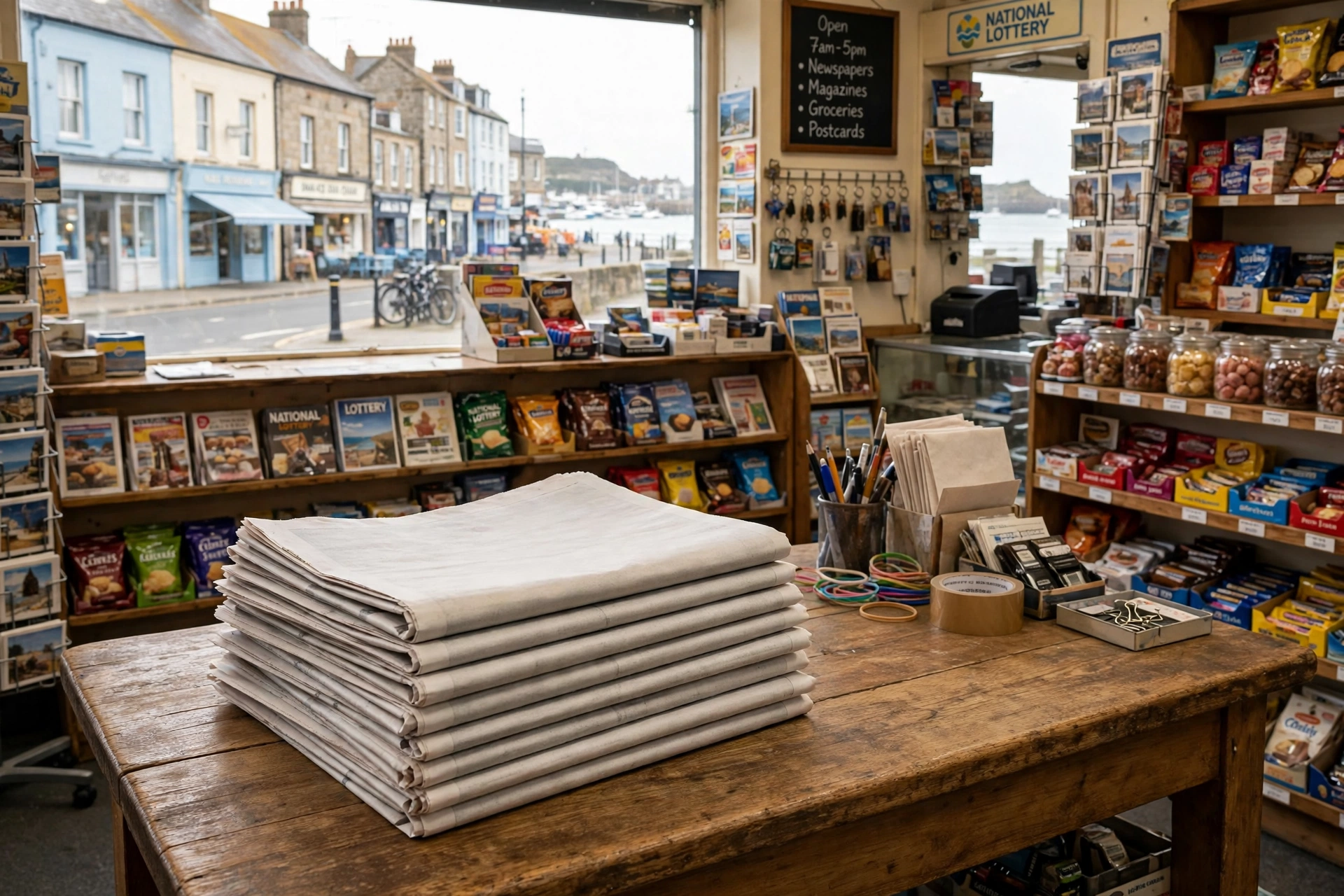
Reading the Mercury today is straightforward, because the paper exists in both print and digital form, and readers can choose whichever suits them best. The printed paper is a paid-for weekly title that is published on a Friday, according to media listings, and it is sold in newsagents and shops across Great Yarmouth and the surrounding area, including Lowestoft, North Walsham and Norwich. Many readers still prefer the print edition, enjoying the familiar routine of buying the paper, reading it over a cup of tea, and passing it on to a neighbour or relative, and that weekly rhythm is part of the paper’s identity. The print edition remains the fullest version of the paper, with all of its sections, features and advertisements in one place.
The digital side of the Mercury is centred on its own website, where many of its stories appear online alongside breaking news updates that cannot wait for the weekly print cycle. Readers can visit the the Mercury website to catch up with the latest local stories, search for past coverage, and find contact details for the newsroom. The website is the quickest way to check a developing story during the week, while the Friday paper remains the moment when the whole week’s news is gathered together in one edition. Readers who want to make sure they never miss an issue can also ask their local newsagent about regular delivery or a subscription, which is the traditional way that weekly papers have kept their most loyal readers.
The People Behind the Paper
A local newspaper is only as good as the journalists who produce it, and the Mercury has been shaped over the years by editors and reporters who have spent much of their working lives covering the town. One of the most notable figures in its recent history is Anne Edwards, who retired in 2018 after 48 years in the regional press, including 16 years with Archant, and who had edited the Mercury before her retirement. Her successor as editor of the coastal patch was Andrew Fitchett, appointed in 2018 to oversee the Mercury along with the Lowestoft Journal and the Beccles and Bungay Journal, and his appointment showed how the paper is now run as part of a wider coastal team rather than as a completely standalone office.
The reporters who work on the paper today cover a demanding patch, because Great Yarmouth is a town with a great deal going on, from a busy port and a growing offshore energy industry to a large tourism sector and the everyday business of a borough council. They attend council meetings, court hearings and community events, they interview local people about the issues that affect them, and they have to turn all of that into accurate, readable copy on a tight weekly deadline, with media listings recording a Tuesday afternoon deadline for the Friday paper. Readers who have a story to tell, whether it is a charity fundraiser, a school success, a planning concern or a community campaign, can contact the newsroom through the paper’s website, and local knowledge from readers remains one of the most valuable sources of news for any weekly paper. The relationship between a local paper and its readers is a two-way one, and the Mercury depends on it.
Why Local Newspapers Like the Mercury Still Matter
Local newspapers like the Mercury still matter because nobody else does the job they do, and that has become clearer as the regional press has shrunk over the past two decades. National newspapers rarely report on a planning application in Great Yarmouth, a school Ofsted result in Gorleston, or a fundraising drive for a local hospice, and social media, for all its speed, is often unreliable, incomplete and dominated by rumour rather than checked fact. A local paper employs trained journalists who attend meetings, verify claims, give both sides of an argument a hearing, and publish corrections when they get something wrong, and that process is what turns information into journalism.
The Mercury also matters as a historical record, because its back issues are one of the richest sources for anyone researching the history of the town, whether they are tracing a family, studying the fishing industry, or looking into the development of the seafront. Libraries in Norfolk hold local newspapers on film and paper, and the Mercury’s long run back to 1880 means that a remarkable amount of the town’s past is preserved in its pages. For local historians, for family researchers, and for anyone who simply wants to know how Great Yarmouth became the town it is today, the paper is an archive as well as a news source. Its continued survival in print and online is therefore good news not only for today’s readers but for future generations who will want to understand this town.
The Great Yarmouth Mercury in Numbers
The figures attached to the Mercury give a useful sense of its scale as of 10 November 2026, although readers should remember that circulation and readership figures change over time and are always worth checking against the latest published data. Wikipedia records the paper’s circulation as 5,100 copies as of 2023, which is a modest figure by national standards but a meaningful one for a paid-for weekly serving a single town and its surrounding area. Media listings have also reported around 224,500 monthly unique users for the paper’s digital presence, according to publisher figures, which suggests that the Mercury reaches far more people online than it does in print, as is now the case for almost every local newspaper in Britain. The paper was also nominated at the Regional Press Awards in 2016 in the weekly newspaper category, which is a reminder that its journalism has been recognised by its peers.
These numbers tell a familiar story about the modern regional press, which is that print sales have fallen while digital audiences have grown, and that local papers now have to serve two audiences at once. The challenge for the Mercury, like every other local title, is to turn that large online audience into enough income to keep paying for the journalism, whether through advertising, subscriptions or other reader revenue. The paper’s long history suggests that it has the resilience to keep adapting, but that adaptation depends on readers continuing to choose local news over the many free alternatives that compete for their attention.
How to Contact the Mercury and Share a Story
Anyone with a news story, a photograph, an event listing or a letter for publication can get in touch with the Mercury through the contact details published on its website, and the paper actively welcomes contributions from its readers. The most useful thing a reader can do is to give the newsroom the key facts clearly: what happened, when and where it happened, who was involved, and how the paper can verify the details or speak to the people concerned. Photographs are always welcome, especially for community events, school activities and charity fundraisers, and a good picture with the names of the people in it is often what turns a short report into a proper story. Press releases from local organisations should be sent in good time, well before the weekly deadline, so that the newsroom has a chance to follow them up properly.
It is also worth remembering that the Mercury’s journalists cannot cover everything, and that a story is more likely to be used if it is genuinely local, timely and of interest to a wider readership rather than to one person alone. A new community group, a milestone anniversary, a local sporting success or a campaign on a neighbourhood issue are all the kinds of stories that weekly papers exist to tell, while purely commercial promotion is better suited to an advertisement. The letters page remains one of the liveliest parts of any local weekly, and it is one of the few places where residents can debate the future of their town in public.
What Is the Great Yarmouth Mercury?
The Mercury is a weekly paid-for local newspaper serving Great Yarmouth and the surrounding area of Norfolk, published by Newsquest and first established in 1880. It covers local news, sport, entertainment, community events and classified advertisements, and it is available both as a printed paper published on a Friday and through its website during the week. Its long history, its local focus and its team of journalists who cover the town week after week are what make it the paper of record for Great Yarmouth, and it remains the main source of checked, independent local journalism for the borough.
When Is the Great Yarmouth Mercury Published?
The Mercury is a weekly newspaper, and media listings record its day of publication as Friday, with a news deadline on Tuesday afternoon. That weekly cycle means the paper gathers the whole week’s news into a single edition, while its website carries stories and updates between editions. Readers should check the paper’s website for the latest information, because publication arrangements can change, and the website is the most reliable place to confirm the current schedule as of 10 November 2026.
How Much Does the Great Yarmouth Mercury Cost?
The Mercury is a paid-for newspaper, which means the printed edition is sold in shops rather than given away free, although its exact cover price can change over time and has not been verified for this article, so readers should check the price at their local newsagent. Many of its stories are also available to read on its website, and readers who want the full paper every week can ask a newsagent about delivery or a regular subscription. The distinction between the paid-for Mercury and its free sister title, the Yarmouth Advertiser, is one that long-standing readers of the town’s press will already know well.
Who Owns the Great Yarmouth Mercury?
The Mercury is published by Newsquest, one of the largest regional newspaper groups in the United Kingdom, and Wikipedia lists its owner as USA Today Co., reflecting Newsquest’s place within the wider Gannett group. The paper was previously part of the Archant group before the change of ownership, and it has long been linked with the Yarmouth Advertiser as a sister title. Despite these changes at group level, the paper’s editorial focus has remained firmly on Great Yarmouth and the surrounding part of Norfolk throughout its history.
How Can I Read Old Copies of the Great Yarmouth Mercury?
Old copies of the Mercury can be consulted through Norfolk’s local studies libraries, which hold local newspapers on film, fiche and paper, and the paper’s long run back to 1880 makes it a valuable resource for family history and local research. Some material is also available through online newspaper archives and the British Library’s newspaper collections, although access arrangements and coverage vary. Readers researching a specific person, place or event in Great Yarmouth should start with the Norfolk and Norwich Millennium Library and the Great Yarmouth library’s local studies collection, where staff can advise on what is available.
What Area Does the Great Yarmouth Mercury Cover?
The Mercury covers Great Yarmouth itself, including Gorleston-on-Sea and the surrounding villages and coastal communities of east Norfolk, along with the wider borough area. Its reporting focuses on the town centre, the seafront, the port and the residential areas, as well as on the villages that look to Great Yarmouth for their shops, services and news. Media listings note that the printed paper is also sold in Lowestoft, North Walsham and Norwich, which reflects the paper’s reach across the broader area of east Norfolk and north Suffolk.
Conclusion
The Mercury has been telling the story of Great Yarmouth since 1880, and its survival into the digital age is a testament both to the loyalty of its readers and to the enduring value of local journalism. It is a weekly paper with a clear purpose: to report what happens in this Norfolk seaside town, to hold its public bodies to account, to celebrate its successes, and to give its residents a shared record of their community. Whether you read it in print on a Friday morning or catch up with its stories online during the week, the Mercury remains the most reliable way to understand what is really going on in Great Yarmouth, and that is a service no national newspaper or social media feed can replace.
For readers old and new, the best way to support the Mercury is simply to read it, to share its stories, and to tell its journalists about the things that matter in your part of the town. Local newspapers depend on the communities they serve, and the Mercury has earned that support over more than 140 years of continuous publication. As of 10 November 2026, it continues to publish every week, and for as long as the people of Great Yarmouth want a newspaper of their own, it will have a reason to keep going.
If you enjoy guides that explain the things people search for every day, you may also like our guide to rugby positions, which explains all fifteen roles on the pitch, what each player does, and how the team fits together.