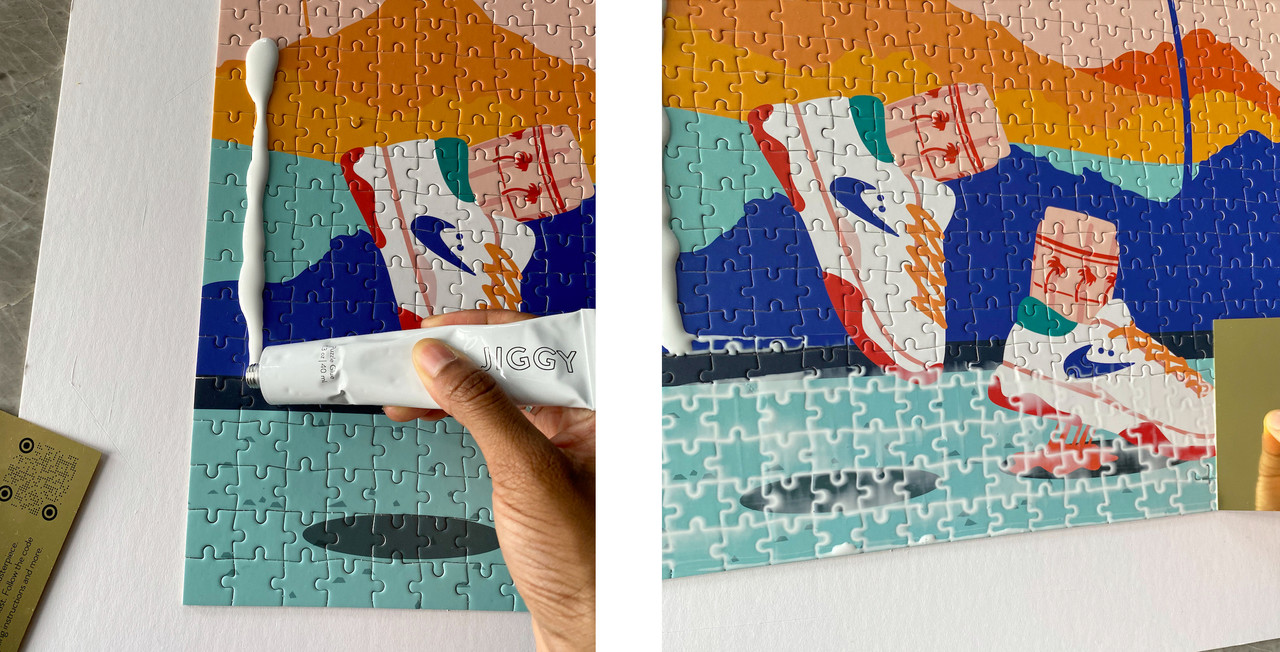
Finishing a jigsaw puzzle is more than completing a relaxing activity; it represents time, patience, and personal achievement. Many puzzle lovers choose to frame their completed work so they can preserve it as wall art instead of dismantling it. If you are wondering how to frame a puzzle, the process is actually straightforward when you follow the right method and use proper materials. With a few simple tools and techniques, you can turn your puzzle into a long-lasting decorative piece.
This complete guide explains how to frame a puzzle step by step, including glue methods, glue-free options, measuring tips, mounting advice, and display recommendations. Whether you want a budget DIY approach or a professional finish, you will find practical instructions designed to help you avoid common mistakes. By following this guide, you can confidently preserve your puzzle and create artwork that enhances your home decor.
What You Need Before Framing a Puzzle
Before you start framing your puzzle, it is important to gather the right materials. Having everything prepared in advance ensures a smoother process and prevents your puzzle from shifting or breaking apart. Basic supplies typically include puzzle glue or adhesive sheets, a backing board such as foam core, a picture frame, wax paper, and a flat working surface. These items help stabilize the puzzle and protect it during the framing process.
You may also want additional tools such as a ruler, craft knife, microfiber cloth, and a rolling pin for even pressure. If you prefer a more polished finish, consider using an acid-free mat board to create a professional border. Choosing quality materials is essential because cheap glue or thin backing boards can cause warping over time. Proper preparation not only improves durability but also ensures your puzzle looks clean and well-mounted inside the frame.
How to Frame a Puzzle Using Glue
One of the most popular ways to frame a puzzle is by using puzzle glue. This method permanently seals the pieces together and creates a strong surface for mounting. Begin by placing wax paper under your completed puzzle to protect your workspace. Then apply a thin, even layer of puzzle glue across the surface using a foam brush, plastic card, or scraper. Make sure the glue fills the gaps between pieces to create a secure bond.
Allow the glue to dry completely according to the manufacturer’s instructions, usually between several hours and 24 hours. Once dry, carefully lift the puzzle and attach it to a foam board or sturdy backing. This added support prevents bending and helps the puzzle sit properly inside the frame. After mounting, place the puzzle inside your frame, secure the backing clips, and your framed puzzle is ready to hang. This method is ideal for long-term display and maximum stability.
How to Frame a Puzzle Without Using Glue
If you prefer to keep your puzzle reusable, framing it without glue is a great option. Adhesive puzzle saver sheets are commonly used for this method. These sheets attach to the back of the puzzle and hold the pieces together without affecting the front surface. To apply them, carefully flip the puzzle using two rigid boards, then place the adhesive sheets evenly across the back. Press gently to ensure a secure hold.
Another glue-free method involves sandwiching the puzzle between acrylic panels or using a snug frame that holds it tightly. This technique allows you to remove the puzzle later if desired. While it may not be as permanent as glue, it offers flexibility and avoids any risk of damage from adhesives. Choosing a tight-fitting frame and sturdy backing board is crucial to keep the puzzle stable when using this approach.
Measuring Your Puzzle Correctly
Measuring your puzzle accurately is one of the most important steps before purchasing a frame. Many puzzle boxes list dimensions, but the actual finished size can differ slightly. Always measure the width and height of your completed puzzle using a ruler or measuring tape. This helps you select a frame that fits perfectly and prevents unwanted gaps or pressure on the edges.
When measuring, consider the thickness of your puzzle as well. Standard cardboard puzzles are usually thin, but wooden puzzles or mounted puzzles may require deeper frames. If you plan to use a mat board, choose a frame slightly larger than your puzzle dimensions. Taking precise measurements ensures your puzzle fits securely and maintains a clean, professional appearance once framed.

Choosing the Best Frame for Your Puzzle
Selecting the right frame plays a significant role in the final result. Frames with sufficient depth are ideal because puzzles have slight thickness that must be accommodated. Wooden frames offer a classic look, while metal frames create a modern style. Acrylic covers are often recommended over glass because they are lighter and less likely to damage the puzzle surface.
You should also consider UV-protective covers if your puzzle will hang in a bright room. Sunlight can fade colors over time, especially in printed puzzles. Choosing acid-free backing materials helps preserve the puzzle and prevents discoloration. The frame you choose should complement the artwork while also providing enough support to keep the puzzle flat and secure.
Common Mistakes to Avoid When Framing a Puzzle
Many people make small mistakes that can affect the appearance and durability of their framed puzzle. One common error is using too much glue, which can cause the puzzle to warp or create uneven surfaces. Applying a thin, even layer is always better than over-saturating. Another mistake is skipping the backing board, which leads to sagging over time, especially for larger puzzles.
Using the wrong frame size is another frequent issue. Frames that are too tight can bend the edges, while loose frames allow the puzzle to shift. Not allowing glue to dry fully before moving the puzzle can also result in pieces separating. By avoiding these mistakes, you can ensure your puzzle remains intact and looks professional once displayed.
Displaying and Preserving Your Framed Puzzle
Once your puzzle is framed, proper display helps maintain its quality. Choose a location away from direct sunlight and excessive humidity. Kitchens and bathrooms are not ideal because moisture can affect adhesives and backing boards. Hanging your puzzle using secure wall hooks or D-rings ensures it remains stable and prevents accidental falls.
Rotating framed puzzles is another creative way to keep your decor fresh. If you complete multiple puzzles, you can switch them periodically. Dusting the frame gently with a microfiber cloth keeps it looking clean. With proper care, your framed puzzle can last for years and continue to showcase your hard work.
DIY vs Professional Puzzle Framing
DIY puzzle framing is often more affordable and gives you full control over design choices. It allows you to experiment with different styles and personalize your display. Many puzzle enthusiasts enjoy the framing process as part of the creative experience. With the right materials, a DIY frame can look just as good as a professional one.
Professional framing, however, offers premium materials and expert finishing. This option is ideal for valuable or sentimental puzzles. Professional framers use acid-free mounting, UV glass, and custom sizing to achieve a polished result. While more expensive, it can provide long-term preservation and a gallery-quality appearance.
FAQ: How to Frame a Puzzle
Can you frame a puzzle without glue?
Yes, you can frame a puzzle without glue by using adhesive sheets or tight-fitting frames. These methods keep the puzzle intact without permanently sealing the pieces. Glue-free framing is ideal for those who may want to disassemble and reuse the puzzle later. However, ensure you use a sturdy backing to prevent movement inside the frame.
What is the best glue for framing puzzles?
Puzzle-specific glue is recommended because it dries clear and creates a strong bond. Many puzzle glues are designed to fill gaps between pieces while preserving color. Applying the glue evenly ensures a smooth finish. Always allow sufficient drying time before mounting the puzzle to avoid shifting or warping.
Do you need glass when framing a puzzle?
Glass or acrylic is optional but recommended for protection. A cover shields the puzzle from dust, moisture, and fading. Acrylic is often preferred because it is lightweight and less likely to stick to the puzzle surface. If you choose not to use glass, ensure the puzzle is securely mounted.
How long does puzzle glue take to dry?
Drying time depends on the brand and thickness of the glue layer. Most puzzle glues dry within several hours, but full curing can take up to 24 hours. It is best to leave the puzzle undisturbed during this period. Moving it too early may cause pieces to separate.
Can you frame a puzzle without backing?
It is possible but not recommended. Without backing, puzzles can bend or shift inside the frame. A foam board or sturdy card provides essential support. Using backing ensures your puzzle remains flat and properly positioned.
Final Thoughts
Learning how to frame a puzzle allows you to transform a completed hobby into lasting artwork. Whether you choose glue, adhesive sheets, or professional framing, the key is careful preparation and proper mounting. Using quality materials and accurate measurements ensures your puzzle remains secure and visually appealing.
Framing your puzzle preserves your effort and adds personality to your home decor. With the methods explained in this guide, you can confidently frame your puzzle and display it proudly. By following these steps and avoiding common mistakes, you can create a durable and attractive piece that highlights your achievement.
You may also read: SEO Agency UK – Trusted Experts for Top Google Rankings