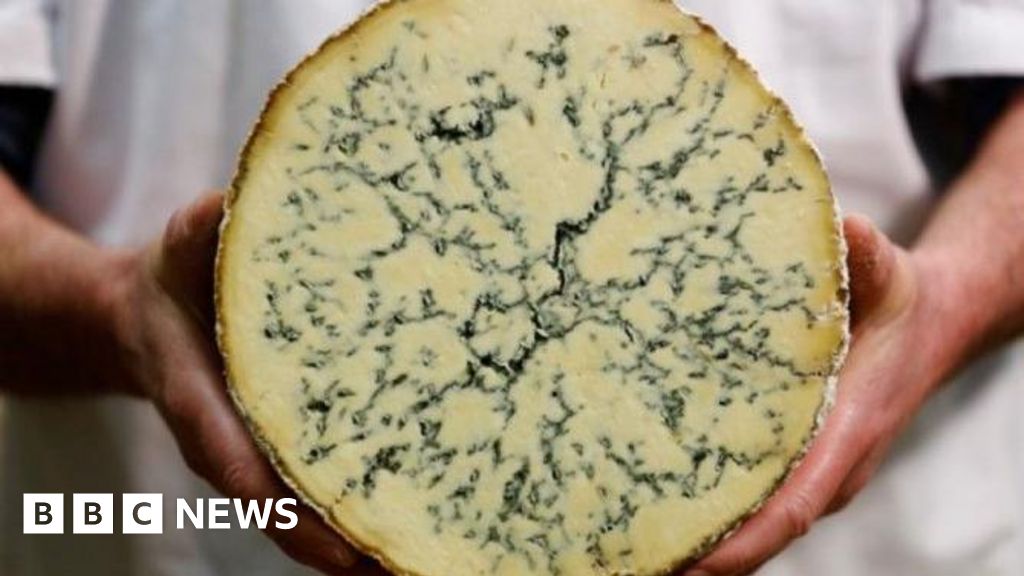
Stilton cheese is widely recognised as one of the most celebrated cheeses produced in England. Known for its distinctive blue veins and rich, creamy character, this cheese has become a symbol of British culinary tradition. Food enthusiasts across the world appreciate its bold flavour and crumbly yet smooth texture, which makes it ideal for both simple serving and gourmet cooking.
Beyond its unique taste, stilton cheese carries a strong cultural identity within the United Kingdom. It is often served during festive occasions, especially at Christmas dinners and special family gatherings. The cheese has a reputation for sophistication and quality, and its long-standing heritage continues to make it a favourite choice among chefs, food writers, and cheese lovers who appreciate traditional British flavours.
The History and Origin of Stilton
The origins of stilton can be traced back to the early eighteenth century when it gained popularity along the coaching routes of England. Travellers stopping at inns in the village of Stilton were introduced to this distinctive cheese, which quickly became famous for its flavour and quality. The name of the village eventually became permanently associated with the cheese itself.
Interestingly, although the cheese is named after the village of Stilton, it is not produced there today. Authentic stilton cheese is made only in the counties of Derbyshire, Nottinghamshire, and Leicestershire. These areas are protected under the European Protected Designation of Origin system, ensuring that the cheese is produced using traditional methods and high-quality ingredients that maintain its heritage and reputation.
What Makes Stilton Unique
One of the defining features of stilton cheese is its striking appearance. The cheese develops beautiful blue veins that run through its creamy interior, creating a marbled effect that is both visually appealing and full of flavour. The texture is crumbly yet moist, making it easy to slice or crumble over dishes while still maintaining a luxurious mouthfeel.
The flavour profile of stilton is equally distinctive and complex. It combines a gentle saltiness with tangy and earthy notes that become stronger as the cheese matures. Compared with other blue cheeses, it tends to be smoother and more balanced, which makes it accessible to a wider range of tastes. This combination of visual beauty, unique texture, and rich taste is what makes stilton cheese so admired.
How Stilton Cheese Is Made

The process of making stilton cheese begins with high-quality pasteurised cow’s milk sourced from farms within the authorised regions of England. Cheesemakers carefully add starter cultures and rennet to the milk, which causes it to form curds. These curds are then cut, drained, and gently shaped into tall cylindrical forms before being placed into moulds for further development.
As the cheese matures, skilled producers pierce the wheels with fine needles to allow air into the interior. This step encourages the development of the famous blue veins that give the cheese its characteristic appearance and flavour. Over several weeks of ageing, the texture softens and the taste becomes deeper and richer, resulting in the distinctive qualities associated with traditional stilton cheese.
Popular Ways to Enjoy Stilton
Many people enjoy stilton cheese as part of a classic British cheese board. When served alongside crisp crackers, fresh pears, apples, or grapes, the cheese reveals its full range of flavours. Sweet accompaniments such as chutney or honey can balance its sharpness, creating a harmonious combination that highlights its creamy texture.
Stilton also pairs beautifully with a variety of drinks. Traditional pairings include port wine, robust red wines, and even certain craft beers that complement its strong flavour. Because of its rich character, stilton cheese can easily become the centrepiece of a dining experience, offering guests a taste of authentic British culinary heritage.
Famous Stilton Recipes and Dishes
One of the most beloved recipes featuring stilton is the classic broccoli and stilton soup. This comforting dish combines the earthy taste of broccoli with the creamy richness of the cheese, resulting in a warming and satisfying meal. Many British chefs have developed their own variations of the recipe, including versions that use soup makers or simple stovetop techniques.
Beyond soups, stilton cheese is used in a wide range of traditional and modern recipes. Steak and stilton pie is a particularly popular British dish, combining tender meat with a rich, savoury filling. The cheese also works wonderfully in sauces for pasta or grilled meats, as well as in cauliflower and stilton soup. These recipes demonstrate the versatility of this celebrated ingredient.
How to Store Stilton Cheese Properly
Proper storage is essential for maintaining the flavour and quality of stilton cheese. The best method is to wrap the cheese loosely in wax paper or foil before placing it in the refrigerator. This allows the cheese to breathe while preventing it from drying out or absorbing unwanted odours from other foods stored nearby.
Some people wonder whether stilton cheese can be frozen for longer storage. While freezing is possible, the texture may become slightly crumbly once thawed. However, frozen stilton can still be used successfully in cooked dishes such as soups, sauces, and pies, where the flavour remains strong and enjoyable even after freezing.
Famous Places and Brands Linked to Stilton
Several renowned dairies continue to produce traditional stilton using time-honoured techniques. One of the most respected producers is Colston Bassett, which has built a reputation for crafting high-quality cheese with a creamy texture and balanced flavour. Their dedication to traditional methods ensures that the character of the cheese remains authentic.
The Bell Inn in the village of Stilton is also closely connected with the cheese’s story. Historically, travellers stopped there while journeying along the Great North Road, and the inn became famous for serving the cheese to visitors. Through these connections, stilton cheese became widely recognised across Britain and eventually around the world.
Stilton in Popular Culture
The name Stilton has travelled beyond the world of food and into popular culture. Many readers recognise it through the popular children’s book character Geronimo Stilton. Although the fictional character has no direct link to the cheese, the name has helped keep the word familiar and memorable to international audiences.
Within Britain itself, stilton cheese remains a symbol of tradition and celebration. It often appears at Christmas tables, where families enjoy it with crackers and fruit after a festive meal. This continued presence in British culture reinforces the importance of the cheese as both a culinary and historical icon.
Buying and Choosing Quality Stilton
When selecting a good piece of stilton cheese, it is important to look for a creamy texture and evenly distributed blue veins. High-quality cheese should have a slightly moist interior and a pleasant, rich aroma that reflects proper ageing. Buying from reputable cheesemongers or specialist markets often ensures better flavour and freshness.
Artisan varieties are particularly valued because they are often produced in smaller batches using traditional techniques. While they may cost slightly more than supermarket versions, they typically offer deeper flavour and superior texture. Choosing authentic stilton cheese allows consumers to experience the true character of this iconic British product.
Conclusion
Stilton cheese continues to hold an important place in British culinary heritage. Its rich flavour, distinctive blue veins, and centuries-old history make it one of the most celebrated cheeses in the United Kingdom. Whether served on a cheese board, melted into sauces, or blended into comforting soups, it consistently delivers a memorable taste experience.
The enduring popularity of stilton cheese reflects both its exceptional flavour and its cultural significance. By exploring its history, production methods, and culinary uses, food lovers can gain a deeper appreciation for this remarkable English cheese. From traditional recipes to modern creations, stilton remains a timeless favourite that represents the best of British dairy craftsmanship.
FAQs
What is stilton cheese and why is it famous?
Stilton cheese is a traditional English blue cheese known for its creamy texture, crumbly consistency, and rich flavour. It is famous because it is produced only in specific counties in England and has protected status that ensures authentic production methods.
What does blue stilton taste like?
Blue stilton has a bold yet balanced flavour with tangy, earthy, and slightly salty notes. As the cheese matures, the taste becomes deeper and more complex while maintaining a creamy texture that many cheese lovers enjoy.
Can you freeze stilton cheese?
Yes, stilton cheese can be frozen if needed. Freezing may slightly change its texture, making it more crumbly after thawing, but it still works well in cooked dishes such as soups, sauces, and pies.
What are popular recipes made with stilton?
Popular recipes include broccoli and stilton soup, steak and stilton pie, stilton sauce for meats, and cauliflower and stilton soup. These dishes highlight the creamy texture and bold flavour that make the cheese so distinctive.
Where is authentic stilton produced?
Authentic stilton cheese is produced only in the English counties of Derbyshire, Nottinghamshire, and Leicestershire. These regions follow strict production standards that protect the traditional quality and heritage of the cheese.
You may also read: Heinz Baked Beans Nutrition Facts