Timber plays a central role in construction, landscaping, and home improvement projects across the United Kingdom. From structural framing and roofing joists to garden decking, bespoke fencing, and interior joinery, the quality of timber you choose directly impacts the durability, safety, and long-term performance of your project. This is why selecting the right timber merchant is not just a logistical decision; it is a critical step in project management.
A reputable timber merchant does far more than sell wood. They act as consultants, helping you navigate material specifications, moisture contents, and grading requirements. With stricter building regulations and an increasing emphasis on sustainable materials, choosing the right merchant has become as vital as selecting the timber itself. This guide provides an expert-led deep dive into navigating the UK timber market, understanding technical specifications, and identifying the right supplier for your specific needs.
What Are Timber Merchants?
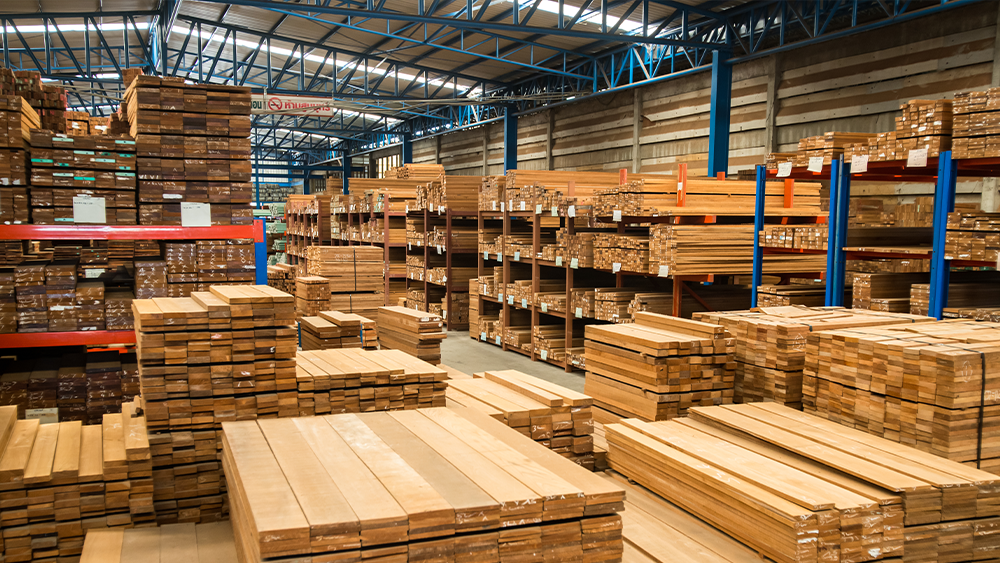
Timber merchants are specialist suppliers that focus primarily on wood-based products. Unlike general builders’ merchants, which function as “supermarkets” for all construction materials (bricks, insulation, cement, fixings), timber merchants concentrate their inventory and expertise on wood.
This specialization offers significant advantages for the end-user:
- Superior Product Knowledge: Staff at timber merchants are often wood specialists, not generalists. They can distinguish between species, recommend specific treatments for ground contact, and explain structural grading.
- Wider Timber Range: They typically stock a broader variety of lengths, dimensions, and specialized species (like Oak, Cedar, or Larch) that general merchants simply do not keep.
- Consistent Quality: By focusing solely on timber, these suppliers are more diligent about storage conditions, preventing the warping, twisting, and moisture absorption common in poorly managed yards.
Timber Merchants vs Builders’ Merchants

While builders’ merchants offer convenience, they are often designed for the “grab-and-go” customer who needs common sizes for general repairs. Timber merchants are suited for projects where quality, specification, and longevity are non-negotiable. If your project involves load-bearing structural elements or visible joinery where stability is critical, a timber merchant is the more reliable choice.
Structural Timber: C16 vs. C24 Grading
One of the most frequent points of confusion for those buying structural timber in the UK is the difference between C16 and C24 grading. Understanding this is essential to complying with UK Building Regulations.
- C16 Timber: This is the standard structural softwood used in the UK. It is typically kiln-dried, cost-effective, and suitable for the majority of residential applications, including floor joists, stud walls, and roof rafters, provided the span tables allow for it.
- C24 Timber: This is a higher-grade, stronger timber with fewer knots and irregularities. It is required for specific structural applications where the timber must carry a heavier load or span a longer distance. While it is more expensive than C16, it is the standard for high-performance structural designs.
Pro Tip: Always check your structural engineer’s calculations. If your project design specifies C24 for a floor joist, buying C16 to save money could lead to building control rejection or long-term floor deflection.
How to Choose the Best Timber Merchant in the UK
Rather than relying on vague marketing claims, you should assess a timber merchant based on their ability to support your specific project requirements.
1. Match the Merchant to Your Project
- Structural Projects: Look for merchants who provide clearly marked C16/C24 structural timber and can provide certification if required.
- Landscaping & Decking: Seek out specialists who stock treated softwood (UC4 treatment for ground contact) or durable hardwoods like Balau or Oak.
- Interior Joinery: Prioritize merchants that offer kiln-dried hardwoods and premium softwood profiles (mouldings, architraves).
2. Verify Product Clarity and Certification
A trustworthy merchant will clearly explain what they are selling. They should be able to provide documentation regarding:
- FSC or PEFC Certification: This ensures the timber is sourced from responsibly managed forests.
- UKTR Compliance: UK Timber Regulations ensure that timber is legally harvested. Professional merchants are transparent about their chain-of-custody documentation.
3. Assess Delivery and Logistic Capabilities
Timber is heavy, bulky, and difficult to move. A significant differentiator between a “good” and “great” merchant is their delivery fleet. Ask about their offloading capabilities:
- Hiab Crane Delivery: If you are ordering bulk structural timber, you likely need a crane-equipped truck to place the packs precisely where you need them on-site.
- Kerbside Delivery: Many merchants operate flatbed trucks that only offer “kerbside” delivery. If you are not equipped to offload a tonne of timber by hand, you need to know this beforehand.
The Trade vs. Retail Dynamic: Pricing and Accounts
If you are undertaking a large project, do not simply walk into a yard as a retail customer. The UK timber market operates heavily on the “Trade vs. Retail” divide.
- Trade Accounts: Most established timber merchants offer trade accounts. Even if you are an advanced DIYer, ask if you qualify for a cash trade account. This often provides you with “ex VAT” pricing (the standard way professionals view costs) and access to more favorable bulk rates.
- Understanding “Ex VAT”: Merchants almost always quote trade prices excluding VAT. Always double-check if your quote includes the 20% VAT to avoid a nasty surprise at the point of payment.
- Yard Quotes: For significant projects, don’t order off a website list. Submit your materials list (a “take-off”) to the merchant’s sales team. They can provide a consolidated quote that may include bundle discounts, delivery incentives, or alternative product suggestions that save you money.
Understanding Different Types of Timber
Softwood Timber
Softwoods are the workhorses of UK construction. Commonly sourced from Pine and Spruce, they are affordable, easy to machine, and perform exceptionally well when correctly graded (C16/C24) and pressure-treated for outdoor exposure.
Hardwood Timber
Hardwoods like Oak, Sapele, and Iroko are chosen for their density, durability, and aesthetic appeal. They are expensive, so they are best reserved for visible applications such as staircases, doors, flooring, and fine furniture.
Sheet Materials and Engineered Timber
Plywood, OSB (Oriented Strand Board), and MDF are indispensable.
- OSB: Essential for roofing decks and structural bracing.
- Plywood: Use WBP (Water and Boil Proof) grade for any exterior or damp-prone environment.
- MDF: Used for internal cabinetry and joinery.
Sustainability and Responsible Sourcing
Sustainability is no longer a niche requirement; it is a regulatory expectation in the UK. When dealing with timber merchants, you should look for evidence of responsible sourcing.
- Certification: Ensure your merchant can supply FSC or PEFC certificates for your order.
- UKTR (UK Timber Regulations): As of the post-Brexit regulatory landscape, merchants have a legal obligation to ensure that the timber they place on the market is not derived from illegal harvesting. A professional merchant will have an internal “Due Diligence System” (DDS) to mitigate these risks.
Common Mistakes to Avoid
- Buying on Price Alone: Cheap, non-graded timber usually results in higher costs due to wastage, warping, and the eventual need for remedial work.
- Neglecting Storage: Timber is hygroscopic (it absorbs moisture). If you have timber delivered days before installation, store it flat, off the ground, and covered in a dry, ventilated area.
- Wrong Treatment Levels: Using internal-grade softwood for outdoor decking or fence posts will result in rapid rot. Ensure the timber is treated to UC4 standard for any application in contact with the ground.
- Failing to Plan Site Access: Many residential streets have width restrictions. If you order a 40ft artic lorry, ensure your road can handle it. Always discuss access requirements at the time of order.
Conclusion
Timber merchants are the unsung heroes of the UK construction industry. By providing specialist knowledge, high-quality grading, and essential logistics support, they ensure that projects are built to last. The difference between a smooth project and a costly, frustrating one often comes down to the relationship you build with your timber supplier.
Do not treat timber like a commodity you simply buy online. Treat it like the foundational element of your project. By assessing a merchant based on their structural grading expertise, their ability to provide FSC/PEFC certification, and their logistical capabilities (Hiab vs. kerbside), you gain access to superior materials and invaluable technical guidance.
Frequently Asked Questions (FAQs)
What is the main benefit of using a timber merchant over a general builders’ merchant?
Timber merchants provide specialist knowledge, deeper stock variety (such as specific lengths and hardwood species), and consistent quality management that generalist stores cannot match.
How do I know if I need C16 or C24 timber?
You should always refer to your structural engineer’s calculations or building plans. Generally, C24 is used for heavier loads and longer spans, while C16 is the standard for most common residential structural applications.
Do I need an account to buy from a timber merchant?
Not necessarily, but opening a cash trade account can often grant you access to better pricing, easier invoicing, and dedicated sales support.
Why is my timber quote listed “ex VAT”?
In the UK construction trade, pricing is almost universally quoted excluding VAT. Always multiply your quote by 1.2 to calculate the final cost including 20% VAT.
What does “Hiab delivery” mean?
A Hiab is a lorry equipped with a crane. This allows the driver to lift heavy packs of timber off the truck and place them into your driveway or designated construction area, rather than just dropping them at the kerbside.
Is it safe to buy timber online?
Yes, provided the supplier lists clear specifications, grading (C16/C24), and treatment standards. However, for structural projects, it is often safer to establish a relationship with a local merchant where you can inspect the quality of the stock.
You may also read: Plouise Limited Editions and Seasonal Releases