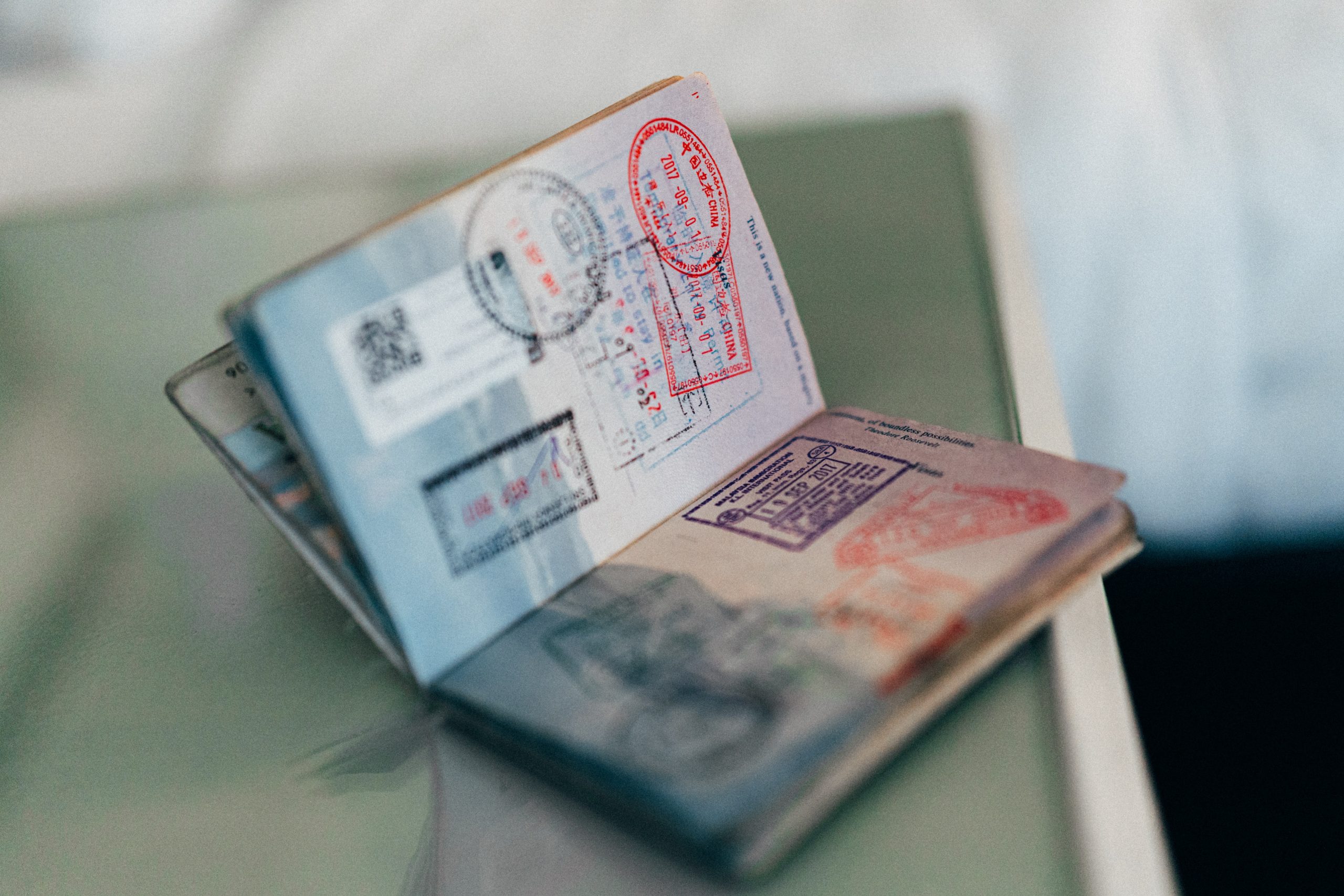
Passport identity verification is a critical process used to confirm that a passport is genuine and that the person presenting it is its rightful holder. In today’s digital environment, where services are accessed remotely and fraud risks continue to grow, accurate identity verification is essential for both security and compliance. Businesses, government agencies, and financial institutions rely on this process to prevent identity theft, financial crime, and unauthorised access to sensitive systems.
In 2026, passport identity verification is no longer limited to physical inspections at offices or borders. It has evolved into a digital-first process powered by document scanning, biometric checks, and secure data validation. Whether verifying identity for banking, company registration, or online services, modern systems are designed to deliver fast, reliable, and compliant results while maintaining a smooth user experience.
What Is Passport Identity Verification
Passport identity verification is the process of confirming two key elements: the authenticity of the passport and the identity of the individual using it. This involves examining security features within the document, such as holograms, microtext, and the Machine Readable Zone (MRZ), as well as validating personal data contained in the passport. Modern passports also include embedded chips that store biometric data, adding an additional layer of verification.
This process is widely used across sectors that require strong identity assurance. Financial institutions use it to meet Know Your Customer (KYC) requirements, while businesses apply it during onboarding to ensure that users are legitimate. Government authorities also rely on passport verification for immigration, licensing, and corporate compliance. By combining document checks with identity matching, organisations can reduce fraud risk and ensure that interactions remain secure and trustworthy.
How Passport Identity Verification Works in Practice
Passport identity verification typically follows a structured workflow designed to minimise risk and improve accuracy. The process begins with capturing a high-quality image of the passport using a mobile device or camera. Automated systems then analyse the document, checking for consistency in layout, verifying the MRZ, and detecting signs of tampering or forgery using pattern recognition and validation rules.
After the document is verified, the next step is identity confirmation. This usually involves biometric verification, where the user provides a live selfie or short video. The system compares this data with the passport photo to confirm a match, while liveness detection ensures that the user is physically present. In more advanced systems, Near Field Communication (NFC) technology is used to read encrypted data from the passport chip, providing a highly reliable verification result.
How To Verify Passport Identity Online (Step-by-Step)
Online passport identity verification allows individuals to complete checks remotely without visiting a physical location. The process usually starts when the user uploads a clear image of their passport through a secure verification platform. The system extracts key details, including name, date of birth, and document number, and validates them against expected formats and internal verification rules.
Next, the user completes a biometric step, typically by taking a selfie or recording a short video. This is analysed to confirm that the face matches the passport image and that the user is real. Some systems also support NFC scanning, allowing smartphones to read data directly from the passport chip for stronger verification. Once all checks are complete, the platform generates a result that confirms whether the identity has been successfully verified.
Methods of Passport Identity Verification
Passport identity verification can be carried out using several methods, depending on the level of assurance required. Manual verification involves trained professionals inspecting the passport visually to identify signs of tampering. While this method can be effective, it is slow and not suitable for remote or high-volume verification scenarios.
Digital verification has become the standard approach, enabling organisations to verify identities quickly and at scale. These systems combine document analysis, biometric matching, and automated decision-making to deliver accurate results. NFC-based verification is considered one of the most secure methods, as it retrieves encrypted data directly from the passport chip, reducing the risk of manipulation. Each method offers different levels of security, and many organisations use a combination to strengthen their verification processes.
Passport Identity Verification in the UK (Compliance and Requirements)
In the UK, passport identity verification is closely linked to legal and regulatory requirements across multiple sectors. A key development is the introduction of mandatory identity verification for company directors and people with significant control (PSCs) through Companies House. This requirement, introduced from November 2025, ensures that individuals involved in company management must confirm their identity before carrying out official activities, helping to reduce fraudulent registrations and improve transparency.
Financial institutions in the UK also depend on passport verification to meet KYC and Anti-Money Laundering (AML) obligations. Before opening accounts or providing financial services, organisations must verify customer identities to comply with regulatory standards. Identity checks are also used in employment screening, legal processes, and immigration services. These requirements highlight the importance of reliable passport verification systems in maintaining compliance and protecting both institutions and individuals.
Choosing a Passport Identity Verification Solution
Selecting the right verification solution is important for organisations that need secure and efficient identity checks. A strong solution should support multiple verification methods, including document scanning, biometric checks, and NFC technology. It should also provide a smooth user experience, allowing individuals to complete verification quickly without unnecessary complexity.
Security and compliance are equally important factors. A reliable system should follow data protection standards and use encryption to safeguard personal information. It should also be adaptable, allowing businesses to integrate verification processes into their existing workflows. By choosing a well-designed solution, organisations can reduce fraud risk, improve efficiency, and deliver a better experience for users.
Benefits of Digital Passport Identity Verification
Digital passport identity verification offers clear advantages over traditional methods, particularly in terms of speed and efficiency. Automated systems can complete checks within minutes, allowing organisations to onboard users quickly and reduce delays. This is especially important in sectors such as banking and online services, where fast verification improves customer satisfaction.
Another key benefit is improved accuracy. Advanced technologies can detect inconsistencies and potential fraud that may be missed during manual checks. Digital verification also enables remote access, allowing users to complete the process from their own devices at any time. This flexibility enhances convenience while maintaining high security standards, making it a practical solution for modern identity verification needs.
Future Trends in Passport Identity Verification
Passport identity verification is expected to become more advanced as digital technologies continue to evolve. The use of biometric authentication will expand, with systems becoming more accurate in recognising facial features and detecting fraudulent attempts. Artificial intelligence will play a greater role in analysing verification data and identifying patterns that indicate risk.
The adoption of NFC-enabled passports and digital identity systems will also increase, making verification faster and more secure. As governments and organisations move towards integrated digital identity frameworks, users will be able to verify their identity seamlessly across multiple services. These developments will strengthen security while simplifying the verification process for both individuals and organisations.
Why Passport Identity Verification Matters
Passport identity verification is essential for protecting systems, preventing fraud, and ensuring compliance with legal requirements. Without effective verification, organisations face significant risks, including identity theft, financial crime, and regulatory penalties. By implementing strong verification processes, they can reduce these risks and maintain secure operations.
In addition to security, identity verification builds trust. Users are more confident when they know that a platform takes verification seriously and protects their information. As digital services continue to grow, the role of passport identity verification will remain central to maintaining trust, security, and compliance in an increasingly connected world.
Frequently Asked Questions (FAQ)
What is passport identity verification?
Passport identity verification is the process of confirming that a passport is genuine and that the person presenting it is the rightful owner. It involves document checks, data validation, and often biometric verification.
How does online passport verification work?
Online verification involves uploading a passport image, extracting and validating its data, and completing a biometric check such as a selfie. Some systems also use NFC to read data directly from the passport chip.
Is passport identity verification secure?
Yes, when carried out using secure systems, passport identity verification is highly reliable. Technologies such as encryption, biometrics, and chip-based verification help ensure accuracy and protect user data.
Why is passport verification required in the UK?
Passport verification is required in the UK to meet regulatory obligations such as KYC and AML, as well as new identity verification requirements for company directors and business owners.
Conclusion
Passport identity verification has become a fundamental part of modern security and compliance, supporting everything from financial services to business registration and digital onboarding. The shift towards online verification has made the process faster, more accessible, and more reliable, allowing organisations to verify identities with greater confidence.
As technology continues to advance, passport identity verification will become even more integrated into everyday digital interactions. By adopting effective verification methods and staying aligned with regulatory requirements, organisations can improve security, enhance user experience, and remain prepared for future challenges in identity management.
You may also read: Companies House Identity Verification Launch – What Businesses Need to Know