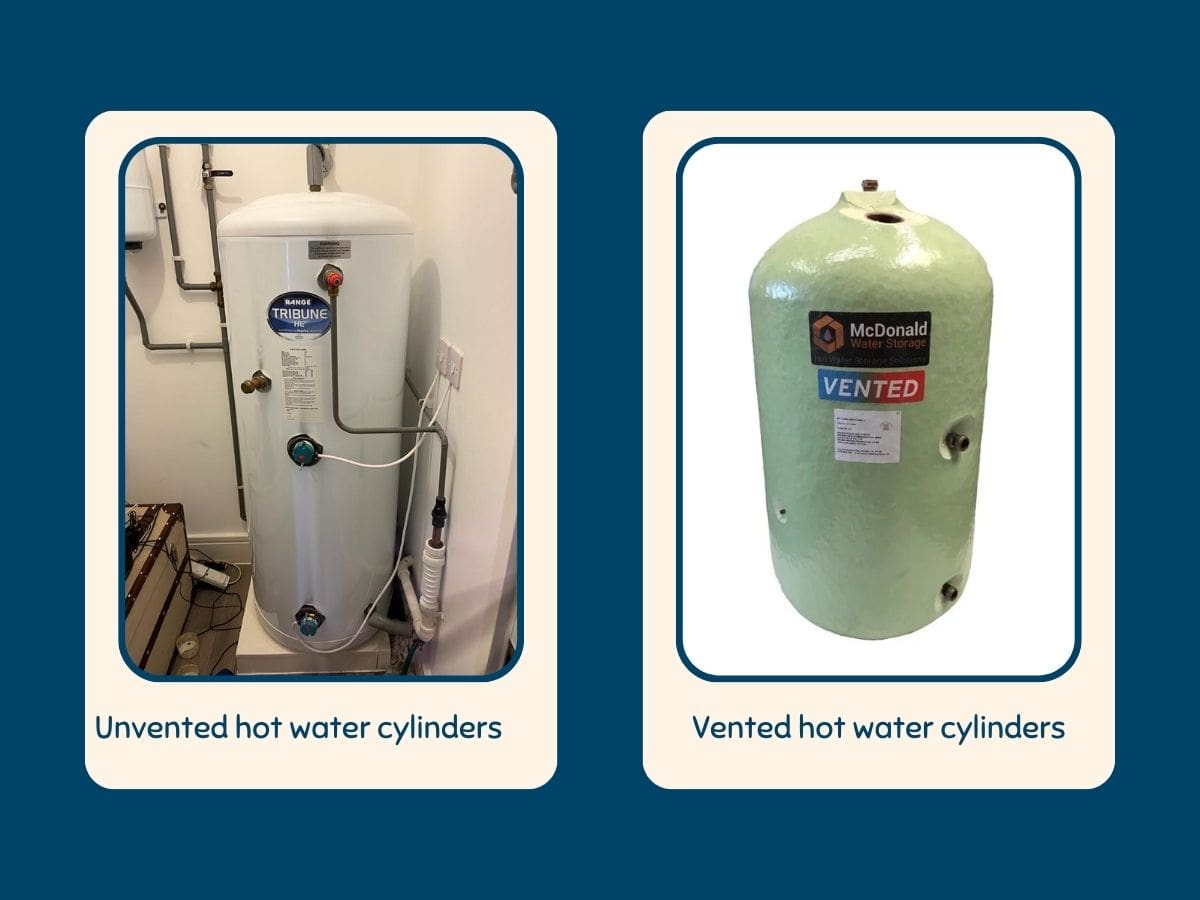
When it comes to home comfort, few decisions impact your daily life as much as choosing the right hot water system. UK homeowners often face a critical choice: should they invest in an unvented hot water cylinder for powerful mains-pressure performance, or stick with traditional vented systems? While unvented systems promise excellent water pressure and eliminate the need for loft tanks, the reality is far more complex. This comprehensive guide reveals the actual disadvantages of unvented hot water systems that could cost you thousands of pounds and hours of frustration.
Whether you’re renovating your home or replacing an aging boiler, understanding these drawbacks is essential before committing to an expensive installation.
What Exactly Is an Unvented Hot Water System?
Before diving into the disadvantages, it’s important to understand how these systems work. An unvented hot water system (also called a pressurised hot water cylinder) stores heated water in a sealed tank connected directly to your mains water supply. Unlike vented systems that rely on gravity-fed water from a loft tank, unvented cylinders operate under constant mains pressure.
This sounds ideal—and in theory, it is. But this design also introduces unique vulnerabilities that many homeowners discover only after installation.
The 7 Major Disadvantages of Unvented Hot Water Systems Explained
1. Significantly Higher Installation and Maintenance Costs
This is the first reality check most homeowners face.
Installation Costs:
- Unvented cylinder cost: £2,500–£6,000+ (unit only)
- Installation labour: £1,500–£3,500
- Total installation: £4,000–£9,500
- By comparison: Vented systems cost £1,500–£3,500 total
Why Is Installation So Expensive?
Unvented systems must be installed by a G3-certified engineer—a specialist qualification that only trained professionals hold. You cannot use a standard plumber; UK Building Regulations (Part G3) legally require competent persons with specific certifications. This monopoly on installation drives labour costs significantly higher.
Additionally, the cylinder itself contains multiple safety components:
- Expansion vessels (to handle water expansion when heated)
- Pressure relief valves (emergency pressure release)
- Thermostats and controls (temperature regulation)
- Immersion heaters (backup heating)
Mandatory Annual Servicing Costs:
This is where many homeowners get shocked. Annual servicing is not optional—it’s a legal requirement under UK Building Regulations.

- Annual service cost: £150–£300 per year
- Over 10 years: £1,500–£3,000 in servicing alone
- Over 15 years: £2,250–£4,500 in servicing alone
Skipping these annual checks can void your manufacturer warranty, breach building regulations, and expose you to fines up to £10,000.
Complete Dependence on Mains Water Pressure
This is the hidden weakness that ruins many unvented system installations.
Unvented cylinders have a fatal flaw: they perform only as well as your mains water pressure. If your area suffers from low or inconsistent pressure, your expensive system becomes nearly useless.
The Pressure Problem:
| Scenario | Unvented System Result | Vented System Result |
|---|---|---|
| Low mains pressure (<2 bar) | Poor shower performance, slow tap flow | Gravity-fed backup ensures consistent pressure |
| Peak-time pressure drop | Multiple outlets used = immediate pressure loss | Minimal impact |
| Mains supply interruption | Zero hot water (no backup storage) | Can use stored tank water for 1-2 hours |
| Water main maintenance | Complete loss of hot and cold water | Partial cold water access via stored tank |
Real-World Example:
A family in rural Scotland installed an unvented system expecting mains-pressure showers. Their area’s mains pressure averaged only 1.8 bar during peak hours. The result? Showers performed worse than their old gravity-fed system. They spent £6,500 on installation only to require a complete system replacement 18 months later.
What This Means:
You cannot install booster pumps with unvented cylinders (this would violate water company regulations). If you live in:
- Rural areas
- Areas with aging water infrastructure
- Properties at high elevation from the main supply
- Areas with known pressure inconsistencies
…an unvented system may leave you worse off than before.
Incompatibility with Common UK Heating Systems
Many UK properties simply cannot work with unvented systems.
Older homes and countryside properties often use heating methods that are fundamentally incompatible with unvented cylinders:
| Heating Type | Problem with Unvented Systems |
|---|---|
| Back boilers | Cannot regulate pressure safely |
| Solid fuel (Aga, Rayburn) | Uncontrolled heat source causes overpressurization |
| Oil boilers (older models) | Pressure regulation issues |
| Traditional power showers | Designed for gravity systems, conflict with mains pressure |
| Gravity-fed hot taps | Incompatible with pressurised water |
If your home relies on any of these systems, upgrading to unvented requires replacing your entire heating setup—an additional £3,000–£8,000 expense.
Additional Incompatibility Issues:
Some shower enclosures and mixing valves designed for gravity systems can malfunction when connected to pressurised water, creating either scalding or poor flow.
Mandatory Specialist Installation Creates Ongoing Dependency
You’re locked into using certified engineers.
Because only G3-certified professionals can legally install and service unvented systems, you have limited options for repairs and servicing. This creates:
- Limited engineer availability in rural areas
- Higher call-out charges due to specialist status
- Difficulty getting emergency repairs on weekends/holidays
- No DIY options for troubleshooting
A simple pressure valve adjustment that a standard plumber could handle on a vented system requires a £150–£300 service call from a specialist.
Strain and Risk to Older Pipework
High pressure reveals weaknesses in aging plumbing.
Unvented systems operate at constant pressure (typically 2.5–3 bar) throughout your entire home’s pipework. Older properties with aging copper pipes, ancient solder joints, or corroded fittings experience:
- Increased leak frequency (up to 40% higher in homes over 50 years old)
- Burst pipes in freezing weather (pressure amplifies damage)
- Pinhole leaks that develop in thin-walled pipes
- Joint failures at weak solder points
If your home was built before 1970 and has its original pipework, installing an unvented system could trigger expensive plumbing failures within 3–5 years.
Space Requirements and Poor Insulation Issues
Unvented cylinders are space hogs.
While removing the loft tank saves space upstairs, you still need significant space for:
- The cylinder itself: 1.2m–1.5m tall, 0.6m diameter
- Safety equipment: Expansion vessel (0.5m), relief valve assembly (0.3m)
- Access space: Engineers need 1m clearance on all sides for maintenance
For flats and smaller homes, this is a genuine constraint. Many homes require:
- Building an airing cupboard (£2,000–£4,000)
- Floor reinforcement (£1,500–£3,000)
- Wall reinforcement in some cases
Heat Loss Problem:
Poorly insulated cylinders lose significant heat:
- Well-insulated modern cylinder: 1–2% heat loss per day
- Older or poorly installed cylinder: 5–8% heat loss per day
In a poorly insulated home, this translates to £200–£400 extra on annual energy bills.
Safety Risks and Complex Legal Compliance
These are pressurised systems with genuine risks.
While extremely rare, unvented cylinder failures can result in:
- Explosive rupture (if pressure relief valve fails)
- Severe scalding injuries (sudden hot water release)
- Structural damage (burst pipes, water damage)
- System leaks that go undetected
UK Building Regulations Part G3 impose strict compliance requirements:
- Installation by certified professional (legal requirement)
- Annual inspection and testing (legal requirement)
- Pressure relief valve testing (every 12 months)
- Documentation and certification (required for insurance)
- Specific safety clearances (minimum distances from fuel sources)
Failing to maintain compliance can result in:
- ❌ Insurance claims being rejected
- ❌ Building regulation fines (up to £10,000)
- ❌ Liability for damages if something goes wrong
- ❌ Difficulty selling the property
Comparison: Unvented vs Vented vs Combi Boilers
Before committing to unvented, see how it stacks against alternatives:
| Feature | Unvented | Vented | Combi Boiler |
|---|---|---|---|
| Installation cost | £4,000–£9,500 | £1,500–£3,500 | £2,500–£5,000 |
| Annual servicing cost | £150–£300 | £100–£150 | £100–£150 |
| Water pressure | Mains (varies) | Gravity-fed (consistent) | Mains (varies) |
| Mains supply failure | No water | 1-2 hours emergency supply | No water |
| Space requirements | Significant (cylinder) | Minimal (tank in loft) | Minimal (wall-mounted) |
| Suitable for old homes | ❌ No | ✅ Yes | ✅ Yes |
| Multiple bathrooms | ✅ Excellent | ⚠️ Adequate | ⚠️ Limited |
| Annual maintenance | ✅ Required (legal) | ✅ Optional | ✅ Recommended |
| Best for | New builds, large homes | Older homes, consistency | Efficiency, compact spaces |
Is an Unvented System Right for Your Home? Decision Matrix
Ask yourself these questions:
✅ Choose Unvented IF:
- Your home is under 15 years old
- You have excellent, consistent mains pressure (over 2.5 bar)
- You have 3+ bathrooms with heavy simultaneous usage
- You have plenty of space for cylinder and equipment
- You’re willing to spend £4,000–£9,500 upfront + £150–£300 annually
- Your pipework was replaced in last 15 years
- You can access certified engineers in your area
❌ Avoid Unvented IF:
- Your home is over 50 years old
- You’re in a rural area with known pressure issues
- You use Aga, solid fuel, or back boiler heating
- You have limited space (flat, small property)
- You want to minimise ongoing maintenance costs
- You prefer DIY repair options
- You want the ability to use any plumber, not just specialists
Real-World Case Studies: What Actually Happens
Case Study 1: Rural Cottage Disaster
Property: 1920s stone cottage, Highlands System chosen: Unvented (persuaded by installer) Result: Mains pressure 1.6 bar. Showers unusable. £6,500 installation, replaced with vented system 18 months later. Total loss: £8,000
Case Study 2: New Build Success
Property: 2023-built 4-bed house System chosen: Unvented Result: Consistent mains pressure 3.2 bar. Excellent performance across 3 bathrooms. Annual servicing £200. Happy customer, 2+ years trouble-free
Case Study 3: Cost Surprise
Property: 1970s semi-detached System chosen: Unvented Issues: Discovered old pipework leaking under pressure. Required £3,500 replumbing. Plus £6,000 installation. Plus annual £250 servicing. Better choice: Combi boiler (£3,500 total, no annual service required)
Frequently Asked Questions: Disadvantages of Unvented Hot Water Systems
What Happens If the Mains Water Supply Is Cut Off?
Complete loss of water. Unlike vented systems that have a backup tank in the loft (providing 1–2 hours of water during supply interruptions), unvented systems have zero storage. You lose both hot and cold water immediately.
This is critical if you live in an area with frequent water main maintenance. Some UK regions perform scheduled maintenance 2–4 times yearly.
Can I Install an Unvented Cylinder Myself or Use a General Plumber?
Absolutely not. UK Building Regulations specifically forbid this. Only a competent person holding specific certifications (such as G3 qualification) can legally install unvented systems. Using any other installer:
- Voids all warranties
- Breaches building regulations
- Makes your home insurance invalid
- Can result in fines up to £10,000
This isn’t optional—it’s legally enforced.
How Much Does Annual Servicing Really Cost?
£150–£300 per service, plus the plumber’s call-out charges. Over 15 years of home ownership, this equals £2,250–£4,500 in maintenance alone. Multiply this across multiple properties, and unvented systems become significantly more expensive than traditional alternatives.
What Happens If My Area Has Low Mains Pressure?
Your unvented system will perform worse than a vented system. You cannot install booster pumps (water company regulations prohibit this). Your only option is upgrading the water company’s external main supply connection, which costs £2,000–£5,000 and isn’t guaranteed to work.
Many homeowners in low-pressure areas report their unvented systems performing below their previous gravity-fed system.
Can I Switch to a Vented System Later If Unvented Doesn’t Work?
Yes, but it’s expensive. Removing an unvented cylinder and installing a new vented system typically costs £3,000–£5,000. Combined with your original £4,000–£9,500 investment, you could spend £7,000–£14,500 total—more than choosing vented initially.
Are Safety Concerns With Unvented Systems Real?
Extremely rare, but real. Pressure relief valve failures can theoretically cause ruptures or explosive releases of hot water. This is why annual servicing is legally required. In practice, modern systems are very safe when properly maintained—but failure to service creates genuine risks.
What’s the Best Alternative If Unvented Isn’t Suitable?
For most UK homes, a modern combi boiler offers the best balance:
- Lower installation cost: £2,500–£5,000
- No annual legal servicing requirement
- Works with any qualified plumber
- Suitable for old and new properties
- Space-efficient (wall-mounted)
- No dependence on loft space
For homes wanting true hot water storage, a traditional vented cylinder remains excellent for older properties with stable pipework.
How Do I Know If My Mains Pressure Is Adequate?
You can test your mains pressure using an inexpensive pressure gauge (£15–£30) from a DIY store. Most UK properties have 2.5–3 bar; unvented systems need minimum 2 bar to function adequately, though 2.5+ bar is recommended for multiple bathrooms.
If you’re unsure, a qualified plumber can test your pressure for £50–£100 before committing to any system.
Will Installing an Unvented System Affect My Home Insurance?
Potentially, yes. Many insurers require:
- Proof of professional installation
- Annual servicing certification
- Building regulation completion certificate
Failure to maintain these can result in insurance claims being rejected. Always inform your insurer before installation.
What’s the Lifespan of an Unvented Cylinder?
10–15 years average, though some last 20 years with excellent maintenance. Regular servicing is essential; skipped servicing can reduce lifespan by 30–40%. Compare this to vented cylinders, which often last 20–25 years with minimal maintenance.
Key Takeaways: The True Cost of Unvented Systems
- Higher total cost of ownership: £4,000–£9,500 installation + £150–£300 annually = £6,250–£13,500 over 15 years
- Performance depends entirely on mains pressure: Poor pressure = poor performance
- Specialist-only maintenance: Higher costs, limited availability, no DIY options
- Safety requirements are strict: Annual legal servicing is non-negotiable
- Not suitable for all homes: Particularly problematic in older properties and rural areas
- Incompatible with common UK heating systems: Aga, solid fuel, back boilers all cause problems
- Strain on aging pipework: Can accelerate leaks and failures in old homes
Conclusion: Making the Right Choice for Your Home
The decision to install an unvented hot water system deserves careful consideration. While they offer excellent performance in the right setting—new builds, properties with strong mains pressure, large families wanting multiple hot showers simultaneously—they come with significant drawbacks that many homeowners overlook.
Before committing, ask yourself:
- Is my mains pressure adequate? (Test it for £50–£100)
- Can I afford £150–£300 annually in legal servicing?
- Is my pipework modern enough to handle constant pressure?
- Do I have sufficient space for the cylinder and equipment?
- Am I prepared for specialist-only repairs and maintenance?
If you answered “no” to any of these, a traditional vented system or modern combi boiler likely offers better value and fewer headaches.
Next Steps:
- Get your mains pressure tested by a qualified plumber (£50–£100)
- Request quotes from multiple certified engineers for all three system types
- Ask about annual servicing costs and availability before committing
- Review your home’s age and pipework condition (crucial for old properties)
- Discuss with your building insurer which systems they’ll cover
The cheapest hot water system to install isn’t necessarily the best investment for your home. Choose wisely, and you’ll enjoy reliable, efficient hot water for years to come.
Get Professional Advice
When choosing a hot water system, always consult with a qualified, certified engineer who can assess your specific situation. Consider factors like your property age, mains pressure, heating system compatibility, and budget before making this important investment.
Your comfort, safety, and long-term savings depend on choosing the right system for your home, not just the system with the best sales pitch.
You may also read: